In spring, the garden wakes up… and so do good habits. It’s the perfect season to get your hands in the soil, watch nature come back to life, and adopt gentler, more environmentally friendly practices. Good news: to achieve a beautiful, vibrant, and productive garden, you don’t need pesticides or long-lasting chemical products.
By focusing on a few simple habits, you can create a healthier space for your plants, more welcoming for pollinators, and more enjoyable for the whole family. Here are 7 practical tips to turn your garden into a small biodiversity oasis as soon as the nice days arrive.
An Organic Spring Garden: Beautiful, Alive, and Pesticide-Free
The return of sunny days often makes us crave a pristine garden, a neatly manicured lawn, and beds that look perfectly maintained. Yet this quest for an immaculate garden often comes with a hidden cost: overwatering, repeated mowing, chemical fertilizers, herbicides, and various treatments that eventually deplete the soil and harm small wildlife.
An organic garden doesn’t seek to dominate nature, but to work with it. It embraces a degree of spontaneity, values natural balances, and focuses on plant diversity. Result: less long-term maintenance, fewer unnecessary expenses, and more life in the flower beds.
#1 Stop Pesticides
A lawn worthy of grand parks, perfectly uniform and free of the slightest “weed,” typically requires a lot of water, a lot of energy… and often pesticides. Water pollution, groundwater depletion, loss of beneficial insects, health impacts: the ecological price is far too high.
The first instinct for a more natural garden is to forgo chemical treatments. It’s better to choose robust varieties that suit your climate and soil type. A plant well-placed in good conditions already resists diseases and pests much better.
For maintenance, favor manual or thermal weeding, mulching, and denser planting to limit the proliferation of unwanted weeds. The garden doesn’t need to be sterile to be harmonious. On the contrary, a little diversity often makes all the difference.
#2 Rely on Natural Solutions Against Slugs and Other Pests
When slugs invite themselves into the vegetable patch, the temptation is strong to buy a radical treatment. Yet there are several natural ways to limit the damage. Ash barriers, when kept dry, can hinder their progress. Mulching should be used wisely: too thick or too damp, it can also become their favorite refuge.

For voles, some grandma-tested tricks involve placing dog or cat hair, or even hair clippings, in their tunnels, whose scent would bother them. Effectiveness varies, but the idea is engaging: deter rather than poison.
Another excellent lever: sow a wildflower prairie on part of the yard. Very low maintenance, it attracts butterflies, bees, ladybugs, and a whole little wildlife that’s valuable. It’s also an ecological alternative to the uniform lawn, which is more resource-intensive. Best of all, your garden gains color and movement.
#3 Use Organic Fertilizers to Feed the Soil
A beautiful garden isn’t just about what you see on the surface. It all starts beneath your feet. A living, breathable soil rich in organic matter naturally feeds plants and helps them better withstand climate stress and diseases.

For that, natural fertilizers are your best allies. Mature compost, well-decomposed manure, plant manures, seaweed, ground horn, or commercial organic amendments: there’s now a wide palette of solutions for fertilizing without polluting. The key is to choose the right amendment based on your soil type and your crops’ needs.
The plant tea, for example, remains a classic of organic gardening. Nettles stimulate growth, comfrey promotes flowering and fruiting. These preparations have the advantage of being economical, easy to make, and particularly appealing in a gardening approach centered on self-sufficiency.
Nourishing the soil rather than the plant alone is a long-term bet. It’s less flashy than a chemical “boost” fertilizer, but much more coherent for a natural garden.
Creating a Natural Aromatic Herb Garden in Spring
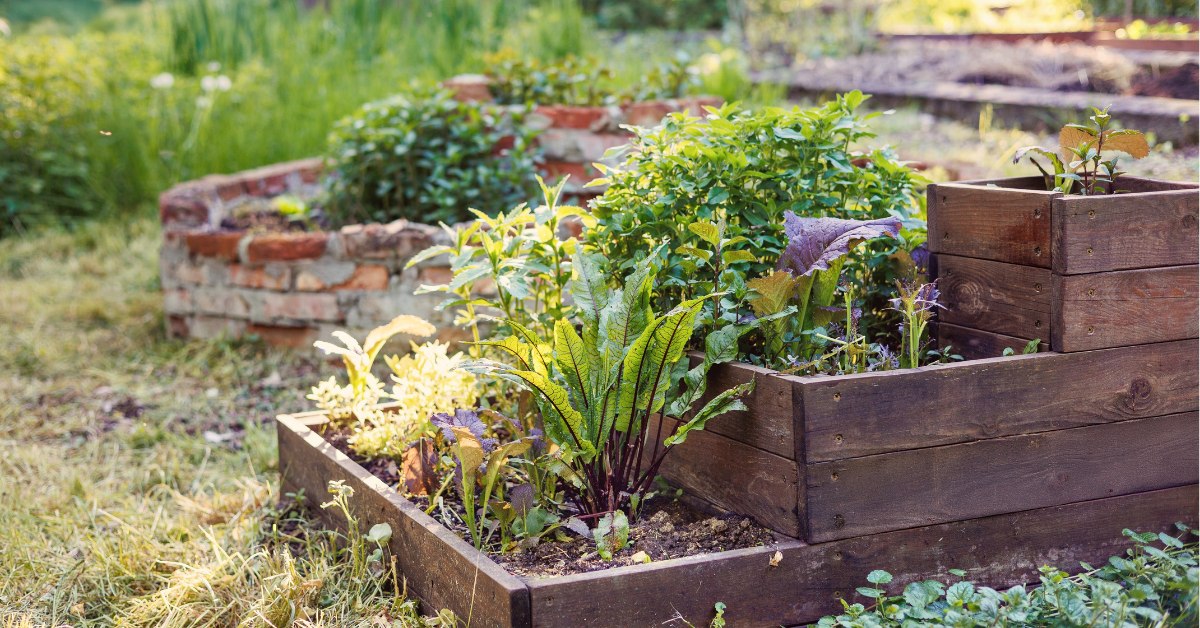
If you have a bit of space, spring is also the perfect time to set up a small area dedicated to aromatic herbs. It’s arguably one of the most rewarding corners of the garden: it takes up little space, smells wonderful, attracts pollinators, and provides scents for cooking for months.
#4 Choose the Right Spot for Your Aromatics
To plant your herbs, pick a sunny, bright spot, ideally sheltered from wind. The south side of the house is often ideal. Most aromatics prefer light, well-draining soil that is airy enough to prevent excess moisture around the roots.

Before planting, prepare the soil about twenty centimeters deep, mix in compost and a bit of organic fertilizer, then smooth the surface with a rake. Let the soil rest a few days. If your soil is very acidic, a thoughtful application of lime can improve the availability of certain nutrients.
Avoid chemical fertilizers that spur growth at the expense of flavor. An aromatic herb should grow at its own pace: that’s often when it develops its best scent.
#5 Harvesting Aromatic Herbs at the Right Time
Harvesting is a step in itself. To preserve all the aromatic qualities of the plants, it’s best to harvest leaves and flowers on dry days, preferably in the early afternoon, after the dew has evaporated. Moisture promotes poorer storage and can alter aromas.

In any case, harvest without pulling or injuring the stems, to avoid weakening the plant and to limit potential pest infestations.
#6 Choose a More Eco-Friendly Mower
Gas-powered lawnmowers remain widespread, even as they generate noise, pollutants, and contribute to sometimes overly intensive garden management. Yet mowing cleaner, or even mowing less, is already a way to help biodiversity.
Today, there are more responsible alternatives: electric mowers, manual mowers, or even solar-powered options depending on the equipment. For smaller areas, a manual mower often does the job just fine. It has a rare merit: it makes a bit of noise, but mostly works through your arms.

Another interesting route: leave some areas of the garden a bit freer, with taller grass and a few spontaneous flowers. This differentiated management helps preserve refuges for insects and reduces mowing frequency. And for large plots, some people even opt for eco-grazing, proof that in the garden, there are mowing options that bleat.
#7 Start Composting
Green waste piles up quickly in spring: clippings, leaves, faded flowers, trimming, kitchen scraps… Rather than burning or throwing them away, transform them into a resource. Composting is one of the simplest and most useful actions for an eco-friendly garden.
A good compost helps recycle organic matter and yields, after a few months, a natural amendment particularly valuable for the soil. It improves soil structure, supports microbial life, and helps plants develop better.
To function well, you need to balance wet and dry materials, aerate regularly, and avoid inappropriate inputs. Once started, composting quickly becomes obvious: less waste to remove, fewer fertilizers to buy, and a garden that runs more on a local loop.
After steering away from pesticides and chemical fertilizers, it becomes easier to see your garden differently: no longer as a static backdrop, but as a living space. In spring, a few changes can yield a lot. And it’s often in the simplest gestures that the real green revolution lies.
FAQ: Succeeding with an Organic Spring Garden
How to Start an Organic Garden Easily?
Begin by removing pesticides, enriching the soil with compost, and choosing plants suited to your soil and climate. These are the most effective basics.
Which Natural Fertilizers to Use in the Garden?
Compost, plant teas, well-decomposed manure, ororganic amendments are excellent options for feeding the soil without polluting.
Why Leave a Wilder Zone in Your Garden?
A less-mowed area or a patch sown with a wildflower meadow provides a refuge for pollinators, butterflies, and other useful garden helpers.
When to Plant Herbs in Spring?
As soon as the risk of hard frost diminishes and the soil warms up, generally between March and May depending on the region and the chosen species.