
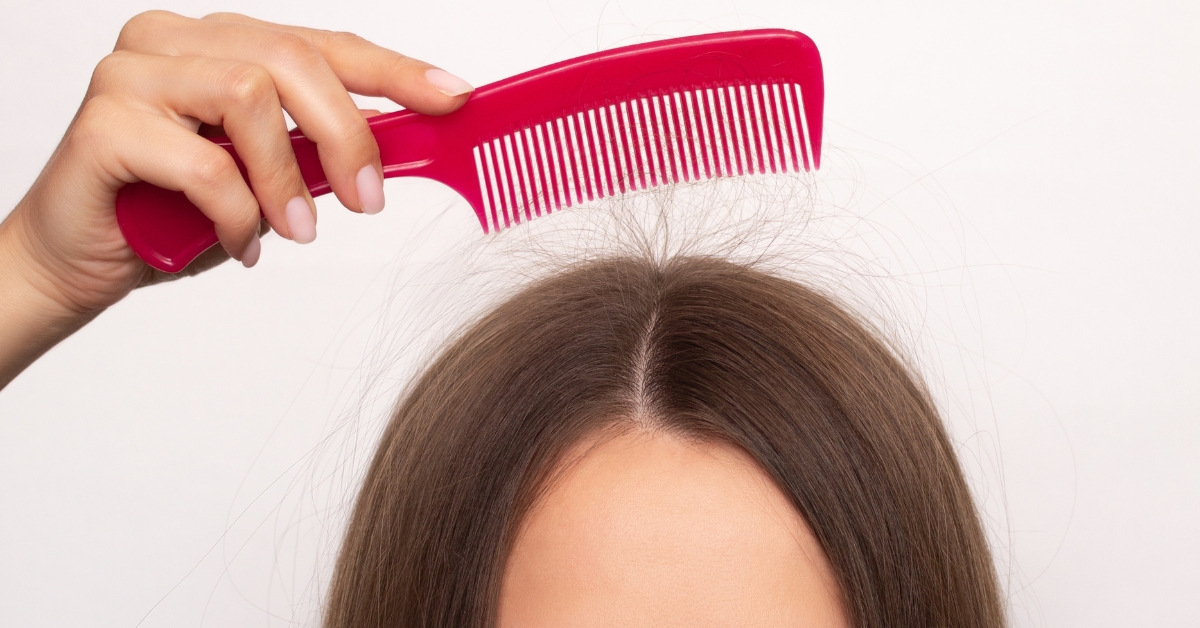
It’s a phenomenon that can catch us off guard, especially in winter, triggering small, spur-of-the-moment discharges: static electricity. While it’s not dangerous in itself, it’s not exactly pleasant, and fortunately it’s easy to avoid.
From hairs standing on end when you take off your hat, to a tiny jolt that stings your hand when you shut the car door, or a pinch on the cheek when — before COVID-19 made us ban this ritual — we still air-kissed someone to say hello: there’s no doubt you’re dealing with static electricity. But what exactly is it, anyway? And is it possible to avoid it? Here’s everything you need to know.
Static electricity, what’s it really?
Electricity, really? And yes. Static electricity is electricity like any other, except that its voltage is infinitely lower than that of any electrical device. Experiencing a small discharge is therefore not dangerous for your body or your health, rest assured.
This physical phenomenon arises from the friction between two materials. They’re normally neutral, but when they come into contact, one tears electrons away from the other, breaking the neutrality that normally exists. One material ends up negatively charged and the other positively charged. That’s where static electricity is created and manifests as crackling sparks when you remove a garment or that cause a small shock when you touch a car door handle.
Maybe you’ve already noticed it, and it’s certainly not just your imagination: static electricity occurs more in winter than in other seasons. This is largely explained by the clothes we wear. Wool and synthetic fabrics are more prone to losing electrons and thus to static electricity than cotton, for example. Another reason: the cold winter air. It’s drier than in summer, and static electricity tends to form in low-humidity conditions.
Our tips for getting rid of static electricity
Static electricity isn’t a fate set in stone. With a few precautions, you can definitely avoid these small, unpleasant discharges:
- Limit wearing wool, polyester, nylon, and similar fabrics at the same time. Including hats! You can also spray hairspray inside your hat before putting it on to prevent your hair from standing on end when you remove it.
- Moisturize your skin and nourish your hair. The drier your body, the more you reduce your electrical resistance. And don’t forget your hands.
- Install green plants or an air humidifier in your home, especially where you spend the most time.
- Prefer shoes with leather soles over rubber.
- Launder your clothes with a bit of vinegar or drop a small aluminum ball into the machine. You can also add a natural fabric softener, such as baking soda, directly in the washing detergent tray.
How to avoid electric hair: what to use? Which brush, hair dryer…
To prevent hair from standing on end, avoid blow-drying or opt for a low temperature. As for detangling, don’t use a plastic comb or brush, but a model made from natural materials, such as a boar-bristle brush or a horn comb. Synthetic brushes promote static hair.
Article updated