
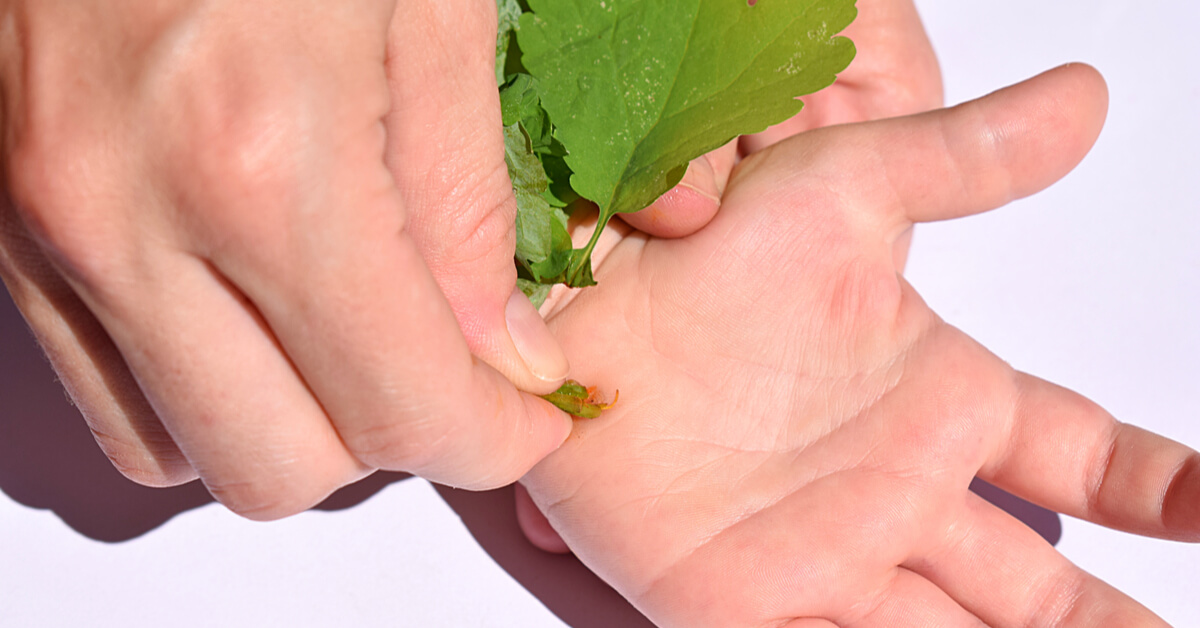
Very common benign infections in adults as well as children, warts have the knack of appearing, disappearing… and then sometimes returning without warning. Unattractive, bothersome, sometimes painful when they sit under the foot, they often lead people to consult a dermatologist. Cryotherapy with liquid nitrogen, salicylic acid, trichloroacetic acid, laser: medical treatments exist, but recurrences remain possible, because they do not always eradicate the virus responsible.
So, what can be tried with caution before going to the dermatologist? Here is an overview of traditional natural remedies used against warts, along with the essential precautions to keep in mind.
What you need to know: warts are linked to human papillomavirus. They are usually benign, but contagious. Natural tips can be tested on a simple, non-painful, well-identified wart, but they do not replace medical advice if in doubt, if there is pain, bleeding, a facial wart, a wart on genital areas, in young children, in diabetes, or in cases of immunosuppression.
Warts: understanding the origin before seeking a natural treatment
Warts result from a skin infection by certain human papillomavirus. They commonly develop on the hands, fingers, feet, or around the nails. Their appearance can vary: a rough common wart, a sometimes painful plantar wart, or small, discreet flat warts.
In many cases, they eventually disappear on their own, but this can take months or even longer. The problem? They can spread through direct or indirect contact, especially when the skin is compromised by a small cut, moisture, or repeated rubbing.
Against warts: prevention first
Let’s be clear from the start: no one is immune. Warts originate from a virus, and that virus can be picked up in many everyday places.
The only preventive measure that helps, but is far from perfect: avoid walking barefoot in communal damp places, step through pool basins with disinfectant when you go to the pool, always dry thoroughly between the toes, and do not share towels, nail files, or nail clippers if a wart is present.
Natural remedies for warts: garden-side options
Depending on the season, you may find remedies traditionally used in nature. Their effectiveness isn’t guaranteed, but some steps can be attempted with great caution on a simple wart, while strictly avoiding healthy skin.
Celandine, the wart herb
If celandine is also called the “wart herb,” there’s a reason in popular tradition.
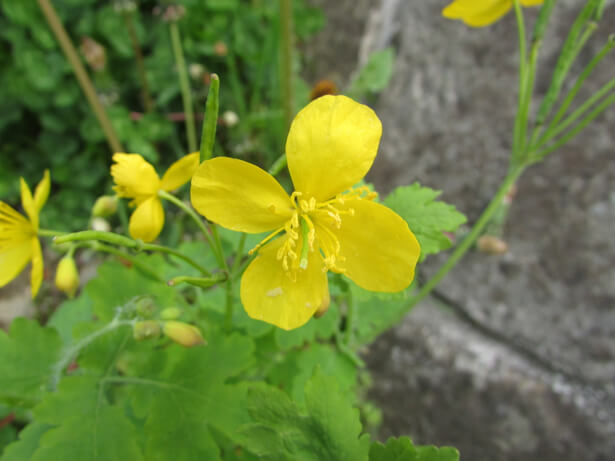
How to use: apply its milky sap freshly collected directly on the wart. However, make sure to apply it only to the wart, as this latex can be irritating. Absolutely avoid mucous membranes, the face, and sensitive areas.
Spring dandelion
In spring, do the same with the dandelion: split its stem and apply its milky sap directly to the wart.
Precaution: as with celandine, limit application to the wart itself. If the skin becomes reddened, burns, or itches, stop immediately.
Summer St. John’s wort
During the summer, also consider the red juice from St. John’s wort: reputed for its healing properties, it is sometimes used in traditional practices to address stubborn warts.
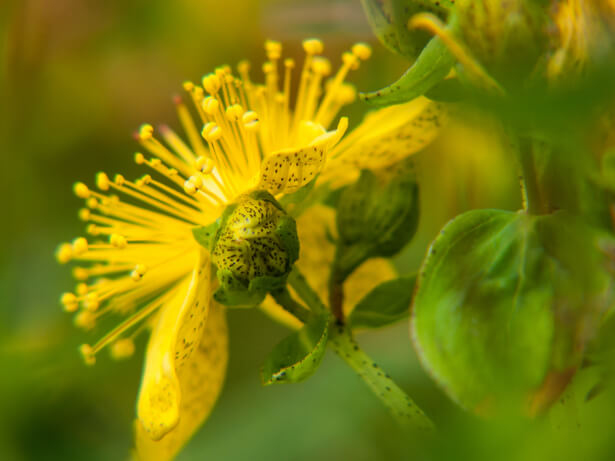
The protocol: locally apply a small amount to the wart, without letting it spill over. Since St. John’s wort can be photosensitizing in some forms, avoid direct sun exposure on the treated area afterward.
Thyme, a well-known natural antiseptic
On the herb front, thyme is one of the best natural antiseptics that may come to your aid.
How to use: crumble thyme leaves between your fingers to crush them slightly, cover the wart(s) with them, then secure with a bandage. Do this every evening until there is improvement or disappearance.
And of course, aloe vera
And if you keep an aloe plant at home, you’ll be glad you did: pick a leaf, cut it lengthwise to extract the gel.
Simple move: apply this gel directly to the wart(s), several times a day. Aloe vera is especially valued for its soothing effect on the skin, particularly when the area is a bit irritated.
When should you avoid self-treatment of warts?
Before multiplying home remedies, it’s best to know when to stop. A simple wart on a finger does not require the same caution as a painful lesion under the foot or a growth that changes appearance.
Read next page: you don’t have a garden? Head to the kitchen to make your warts disappear!
1 2 3