
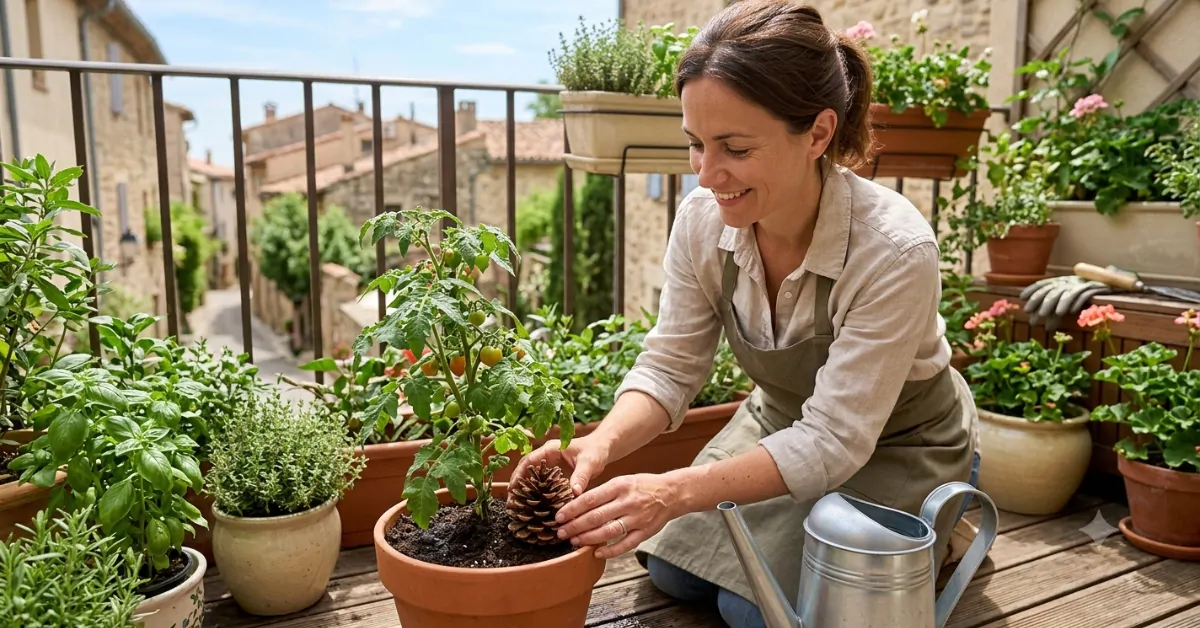
In gardening, watering is a delicate balance that, if poorly managed, can lead to the loss of your plants. Fortunately, there is a natural, simple, and economical trick to help you know when a plant needs water. The tool we’re talking about? A pine cone. Yes, you read that right—this small treasure that nature offers can become your best ally for caring for your plants.
The Pine Cone Method for Knowing When to Water Plants
The pine cone is a natural humidity bio-indicator. Its ability to open and close its scales in response to ambient humidity has been known for a long time. By planting a pine cone about two centimeters deep in the pot or potting soil of your plant, you can use this feature to determine your plant’s water needs. When the scales of the cone open, it’s a sign your plant is thirsty. Conversely, if the scales stay closed, your plant is adequately hydrated. It’s a technique that is both ecological and practical, which makes good use of natural resources.
How to Tell If a Plant Needs Water? Other Signs of Thirst in Plants
While the pine cone trick is useful, there are other methods to determine whether your plants need water. Here are some of the most common techniques.
Using a Moisture Meter
A moisture meter is a device that measures soil moisture. It’s easy to use: simply insert it into the soil near your plants and read the moisture level. If the level is low, it’s time to water!
Observing Growth
If you notice that your plant’s growth has slowed or stopped, that can be a sign it needs more water. It’s normal for some plants to have slower growth periods, but if this seems unusual, you may need to increase watering.
Leaf Observation
A thirsty plant will often show signs of wilting. Leaves may start to lean or droop, losing their usual vigor. Additionally, if leaves begin to yellow or brown, that could indicate a need for watering.
Stem and Branch Observation
Just like leaves, the stems and branches of your plants can indicate thirst. If they look weak or brittle, it’s likely the plant is lacking water.
Touch Test
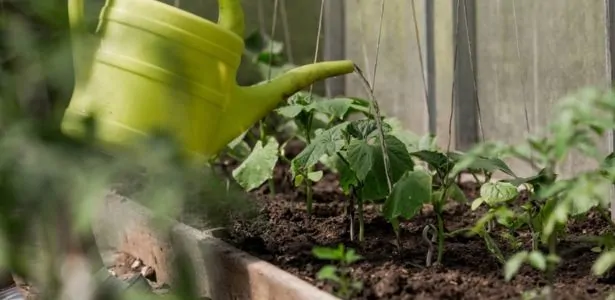
Stick your finger into the soil about two centimeters. If the soil at that depth is dry, it’s time to water.
The Weight of the Pot
To know when to water potted plants, a simple trick: a pot with dry soil will be noticeably lighter than one that has recently been watered. Over time, you’ll learn to gauge the need to water by lifting each pot.
In Pots, the Drip Test
If you water your plant in a pot and the water drains quickly through the container and out the drainage holes, that could indicate the soil is too dry and isn’t absorbing water properly. In that case, try dunking the pot in water until the soil is moist enough to hold water.
Watering with Different Plant Types in Mind
It’s also important to understand that not all plants have the same water needs. Some plants, like cacti and certain succulents, can tolerate longer dry spells, while others, like ferns and some tropical houseplants, prefer a more humid environment. So it’s essential to know the specific watering needs of each plant.
One Last Tip: Season-Driven Watering
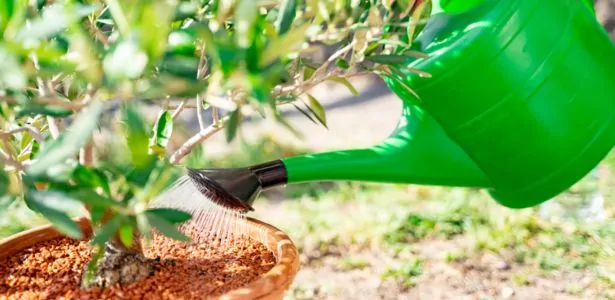
The season also plays a role in watering your plants. In general, plants require less water in winter and more in summer, quite simply due to outdoor temperatures, but also because in winter most plants enter a dormancy phase and slow down, or even stop, their growth altogether. These conditions can vary depending on the plant type and its environment. That’s why taking the time to research each plant’s precise water needs is so important.
The perfect watering is therefore an art that you learn with time and experience! Helped by simple tips like the pine cone and a healthy dose of observation, keeping your plants healthy year-round becomes much easier.