
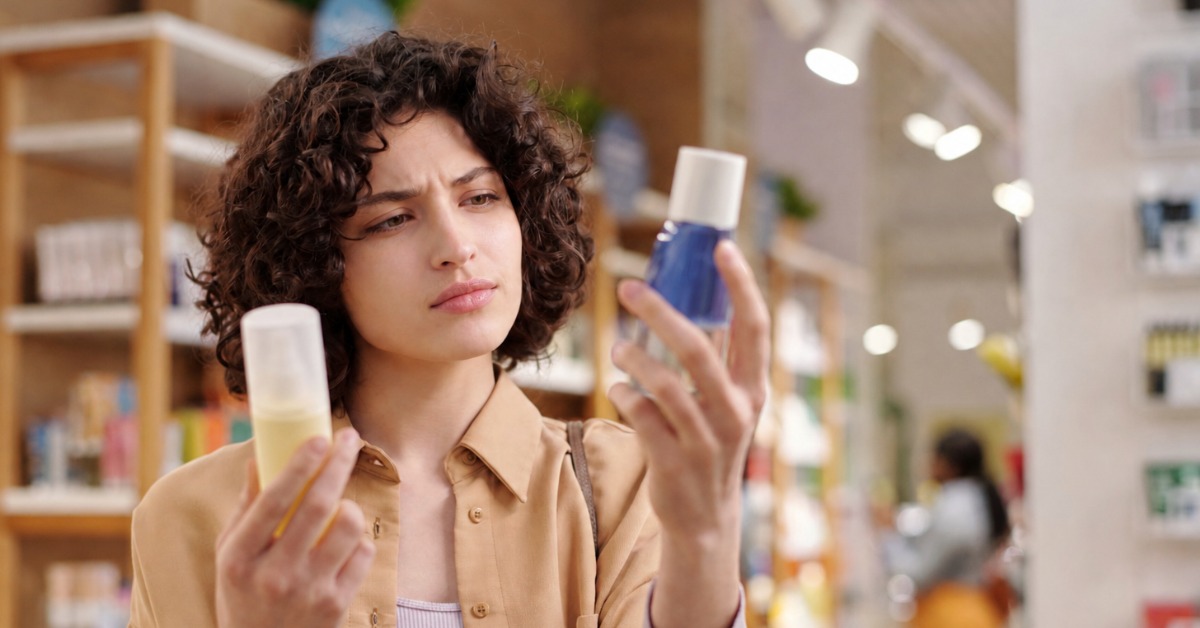
Colorants, preservatives, fragrances… Everyday cosmetics contain a multitude of chemical substances that are sometimes singled out. Between controversies and scientific reality, it can be hard to know whom to trust.
Some ingredients used in the cosmetics industry are suspected of affecting health, notably due to their potential endocrine-disrupting properties or long-term toxicity. Even though European regulations are among the strictest in the world today, controversies persist and fuel consumer mistrust.
Cosmetics: why some ingredients raise concerns
Many cosmetics contain chemical components that raise questions, even controversy. Dyes, preservatives or solvents like triclosan, aluminum salts, or parabens have been singled out in recent years.
Should we automatically distrust them? In reality, it depends on the doses, the frequency of exposure, and the user profile. European health authorities regularly assess these substances and ban some when a proven risk is identified. But the cocktail effect — the accumulation of multiple substances — remains poorly understood.
Against this backdrop, natural and organic products are on the rise. They meet a growing demand for transparency and reassurance. According to a TNS-Sofres poll, 43% of women say they are willing to favor organic cosmetics.
However, be careful not to confuse “natural” products with certified organic products. The notion of natural remains vague and lightly regulated. To navigate, it’s best to look for recognized labels like Cosmébio.
Read the article “Organic cosmetics: harmless?” You can also consult specialized guides that analyze the composition of thousands of products tested by consumers.
Controversial ingredients to know
- Parabens: used as preservatives, some are suspected of having hormonal activity. Their use is now tightly regulated in the European Union.
- Glycol ethers: identified since the 1980s as reproductive toxins; several have been banned or strictly limited.
- Phthalates: used especially in fragrances; some are classified as reproductive toxins. The most hazardous, such as DEHP or DBP, are now banned in many uses.
- Synthetic musks: these fragrance compounds can accumulate in the environment and in the body. Some are gradually being phased out by the industry.
- Alkylphenols and their derivatives: used as emulsifying agents, suspected of endocrine-disrupting effects, notably nonylphenol.
Toxic substances today are tightly regulated
Some of the chemical compounds listed below are classified as dangerous to health or the environment. Their presence in cosmetics is in principle prohibited or strictly limited by European regulations.
However, they can be found as trace residues (impurities, contamination) or in imported products that do not always meet current standards.
- Dibenzodioxins polychlorés (PCDD)
- Dibenzofurans polychlorés (PCDF)
- Polychlorinated biphenyls (PCB)
- Polycyclic aromatic hydrocarbons (PAHs)
- Pentachlorophenol (PCP)
- Short-chain chlorinated paraffins (SCCP)
- Mercury, lead, cadmium and other heavy metals
- Organotin compounds
- Nonylphenol and derivatives (NP/NPE)
- Musk xylene and other nitro musks
- Brominated flame retardants
- Bisphenol A
- PVC and related plastics
Should you avoid all conventional cosmetics?
Not necessarily. The majority of products sold in Europe comply with strict safety standards. However, adopting a few simple habits can limit exposure:
Prefer products with shorter ingredient lists, avoid piling up products, vary brands, and stay attentive to ingredient lists.
In short, it isn’t about giving in to fear, but about consuming in a more informed and more conscious way.

Ethan Hartwell
I break down everyday products to understand what they truly contain and what they imply. My goal is simple: make information clear and useful so people can make more responsible choices without complexity or unnecessary noise.