
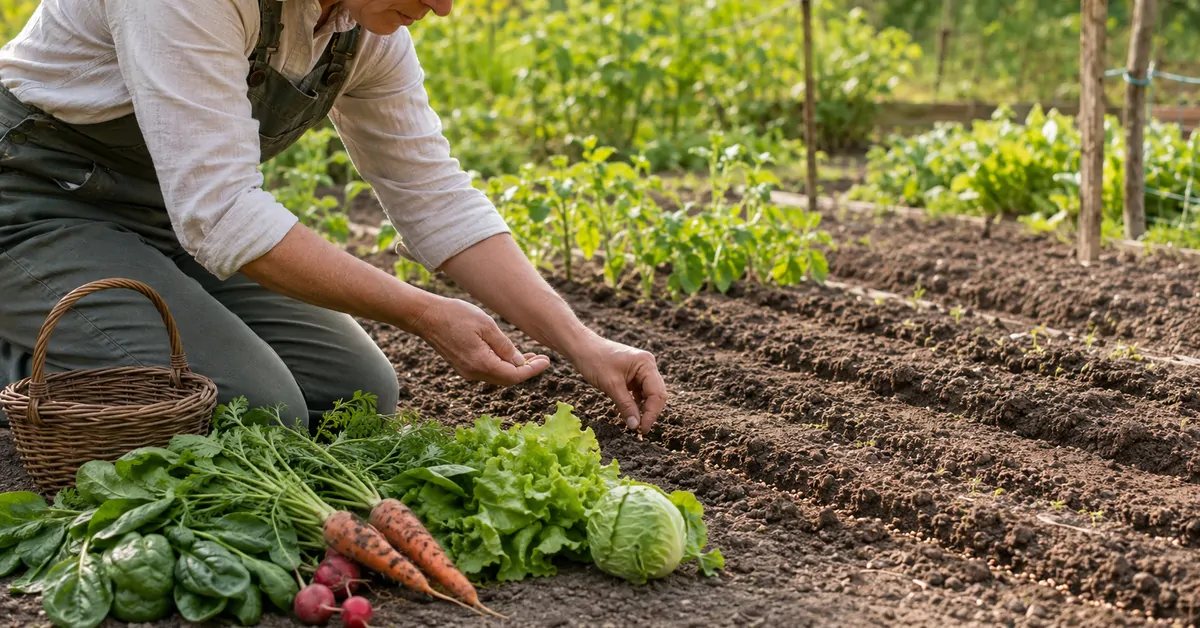
By the end of July, the home garden is far from finished with the season. Several vegetables can still be sown to yield harvests from September through the first frosts. Radishes, turnips, lamb’s lettuce, lettuces, or carrots allow you to replace crops that have already been harvested.
What to sow in late July in the vegetable garden?
Late July marks a transition period in the vegetable garden. New potatoes, peas, beans, or certain lettuces have freed up space. These plots can host fast-growing vegetables or varieties suited to shorter days.
However, summer sowings require more attention. Heat quickly dries the soil surface and can prevent some seeds from germinating. Choosing the right varieties and maintaining regular watering make all the difference.
| Vegetable | Sowing depth | First harvest | Key tip |
|---|---|---|---|
| Radishes | 1 to 2 cm | 3 to 6 weeks | Sow in partial shade |
| Turnips | 1 cm | 6 to 10 weeks | Keep soil cool |
| Lamb’s lettuce | Very shallow | 6 to 10 weeks | Lightly firm the soil |
| Spinach | 2 cm | 6 to 8 weeks | Wait for a cooler period |
| Lettuce | Just a few millimeters | 6 to 10 weeks | Choose heat-tolerant varieties |
| Carrots | 1 cm | 10 to 14 weeks | Prefer early varieties |
| Chinese cabbage | 1 cm | 8 to 12 weeks | Protect young plants from flea beetles |
Radishes, kings of quick harvests
Radishes are among the easiest vegetables to sow in late July. Radishes that are sown for quick harvests can be ready in about four weeks. Winter radishes, such as black radish or certain Asian varieties, require more time.
Sow the seeds in shallow furrows, about 6 inches (15 cm) apart. Cover lightly, press with the back of the rake, then water with a fine spray.
In summer, prefer a spot with morning sun and afternoon shade. A lack of water makes the roots spicy, hollow, or fibrous.
To lengthen the harvest, make a small sowing every ten to fifteen days through the end of August.
Tender turnips to harvest from September
Autumn turnips particularly thrive when sown between July and August. Choose fast-growing varieties suited to this period, such as the Nancy turnip or the Golden Ball yellow turnip.
The seeds are sown in rows spaced 20 to 25 cm apart. When the young plants have several leaves, thin them to keep one turnip every 8 to 10 cm.
The soil should stay cool. Prolonged drought can make the roots hard and encourage flea beetle attacks. A insect-proof net provides effective protection without pesticides.
You can harvest young turnips as soon as they reach the size of a ping-pong ball. They are especially tender at that stage.
Lamb’s lettuce, a salad that loves firm soils
The earliest varieties of lamb’s lettuce can be sown in late July in cooler regions. Elsewhere, it’s better to wait for the first half of August when temperatures begin to drop.
Unlike many vegetables, lamb’s lettuce prefers firm soil. Therefore, there is no need to deeply till the plot. Simply remove weeds, scratch the surface, then lightly firm the soil.
Sow thinly, in rows or broadcast. The seeds should remain almost on the surface. A light pass with the rake is enough to cover them.
Then keep the soil moist until germination. Lamb’s lettuce can be harvested in whole rosettes or leaf-by-leaf, typically starting in September or October.
Spinach: wait for cooler nights
Spinach likes cool temperatures. Excessive heat can slow germination and cause bolting.
Late July sowing is mainly feasible in cooler regions or on a plot shielded from the afternoon sun. In other regions, wait until mid-August.
Sow seeds about 2 cm deep, in rows 25–30 cm apart. After germination, keep one plant every 8–10 cm.
The first leaves can be harvested young. Pick them gradually, without pulling the heart of the plant. This method encourages new leaf production.
Which lettuces to sow during the summer?
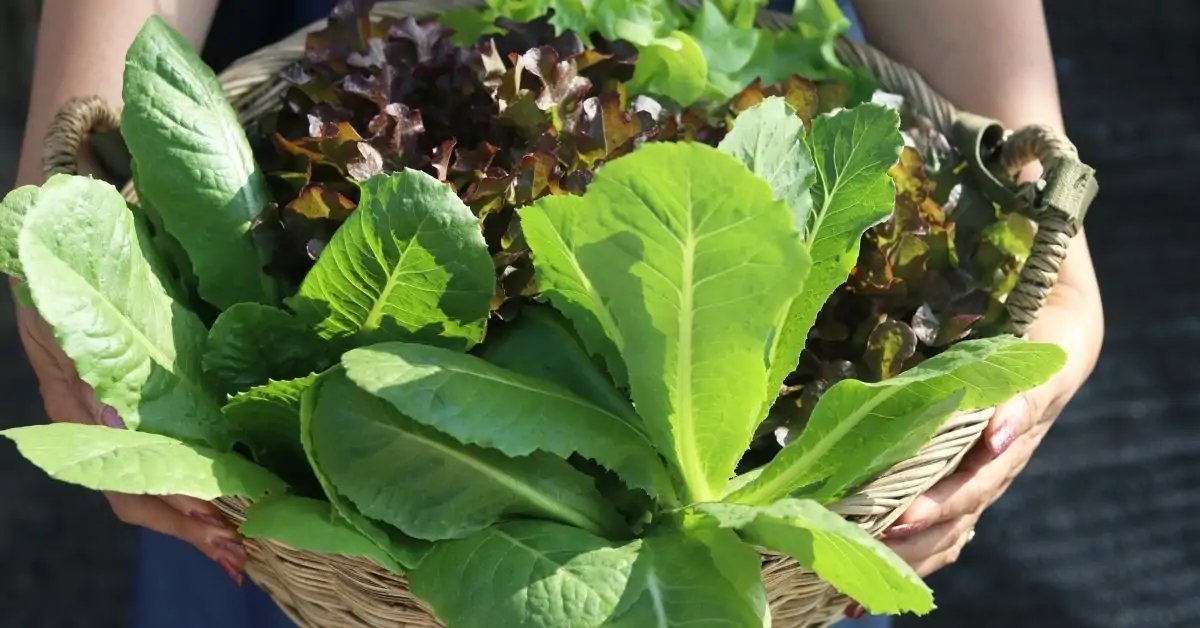
Not all lettuces tolerate high temperatures. By late July, look for summer, autumn, or bolt-resistant varieties.
The sowing can be done in a small shaded nursery, in a terrine, or directly in place. Cover the seeds barely, as they need light to germinate well.
The soil should remain moist, but never waterlogged. Use a spray bottle or a watering can with a fine rose to avoid displacing the seeds.
When the plants have four or five leaves, transplant them leaving about 25 to 30 cm (about 10–12 inches) between each lettuce. The first heads can be harvested starting in September.
Carrots, a final sowing before autumn
Late July is one of the last opportunities to sow carrots destined for an autumn harvest. Choose early, short, or medium-length varieties that will reach maturity sooner.
The soil should be light, fine, and free of stones. Sow clearly in drills about 1 cm deep. Keep the surface moist throughout germination, which can take up to three weeks.
A board, a damp burlap, or an overturned crate can limit drying. This protection should be removed as soon as the first shoots appear.
Then thin the rows to leave 3 to 5 cm (1–2 inches) between carrots. Roots can be harvested young in October or November.
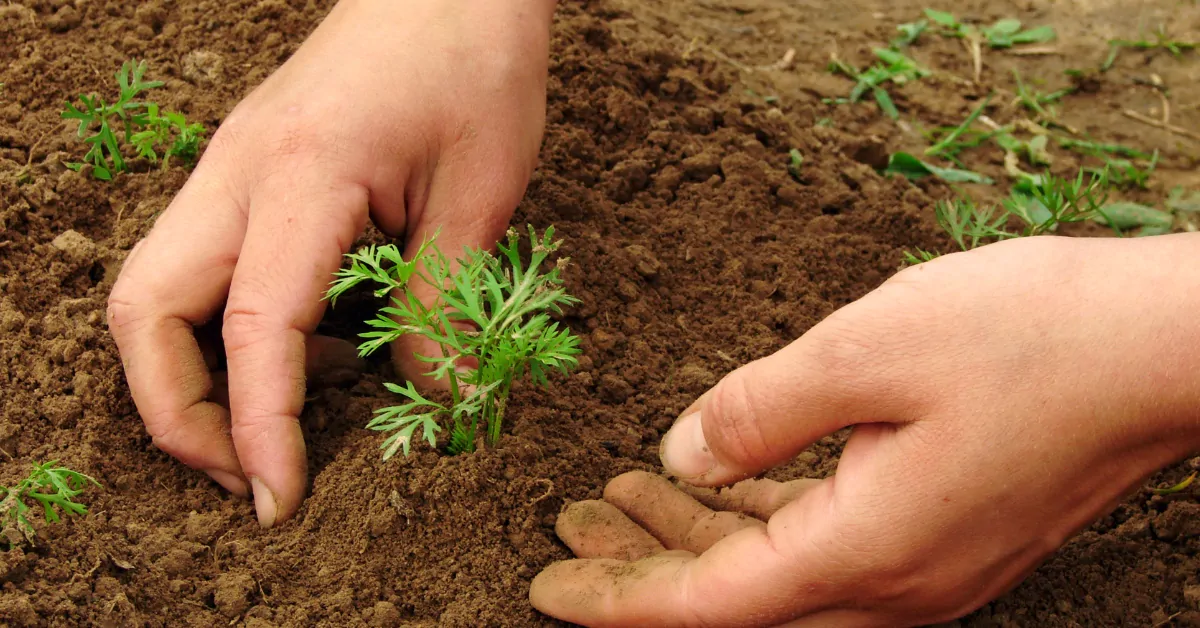
Choux: sow or transplant?
To harvest cabbages in autumn, it is generally safer to transplant established seedlings. Head cabbages, whether smooth-leaved, curly, or Milan varieties sown at the end of July may not be sufficiently developed before winter.
By contrast, Chinese cabbages, bok choy, and certain turnip varieties grow quickly. They can still be sown between late July and August.
Sow them in rows, then thin to the spacing indicated on the seed packet. Watch for flea beetles, which drill tiny holes in the leaves. A row cover installed from sowing helps limit damage.
Chinese cabbages prefer rich, cool soil with regular watering. A lack of water can trigger premature bolting.
How to succeed with sowing despite the heat?
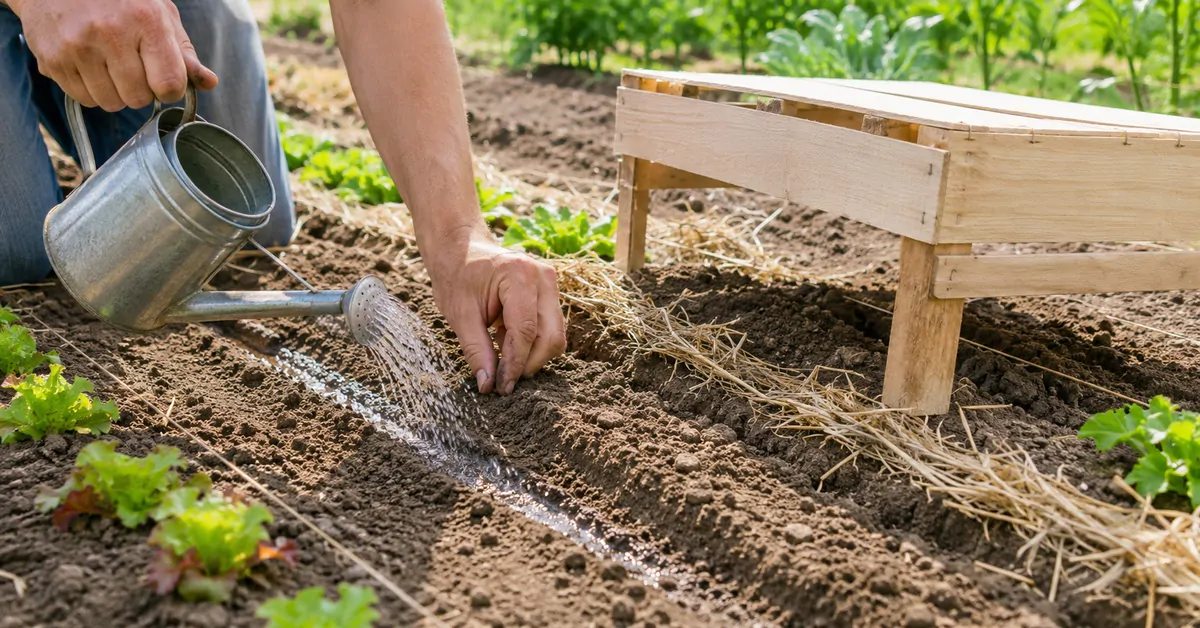
The main obstacle to sowing in late July isn’t the calendar but the soil drying out. A seed that begins to germinate and then runs out of water can die within hours.
Water the soil before sowing
Thoroughly moisten the plot a few hours before sowing. Then sow into this cool soil, finishing with a very light watering.
Create temporary shade
An overturned crate, shade cloth, or a few branches can protect the soil surface. Gradually remove this protection after germination to prevent the seedlings from stunting.
Water sparingly but often
Until the seeds have germinated, the surface should not dry out. A light watering in the morning and, if needed, in the evening is more effective than a heavy supply every three days.
Mulch between rows
Lay a thin layer of straw or well-dried grass clippings between the furrows. Do not cover the tiny seeds directly. Mulch can be pulled closer to the plants once they are sufficiently developed.
Sow in several installments
Staggering sowings reduces risks from heat waves, storms, or pest attacks. This method also helps prevent all vegetables from reaching maturity at the same time.
A productive garden until the first frosts
Sowing in late July naturally extends the garden season. Radishes and young turnips will be the first to reach the table. Lettuce, spinach, and lamb’s lettuce will follow.
Carrots, Chinese cabbage, and winter varieties will continue harvesting later in the season. With a few well-chosen sowings and a soil kept cool, plots freed up in summer can thus produce into autumn, and even for part of winter.