
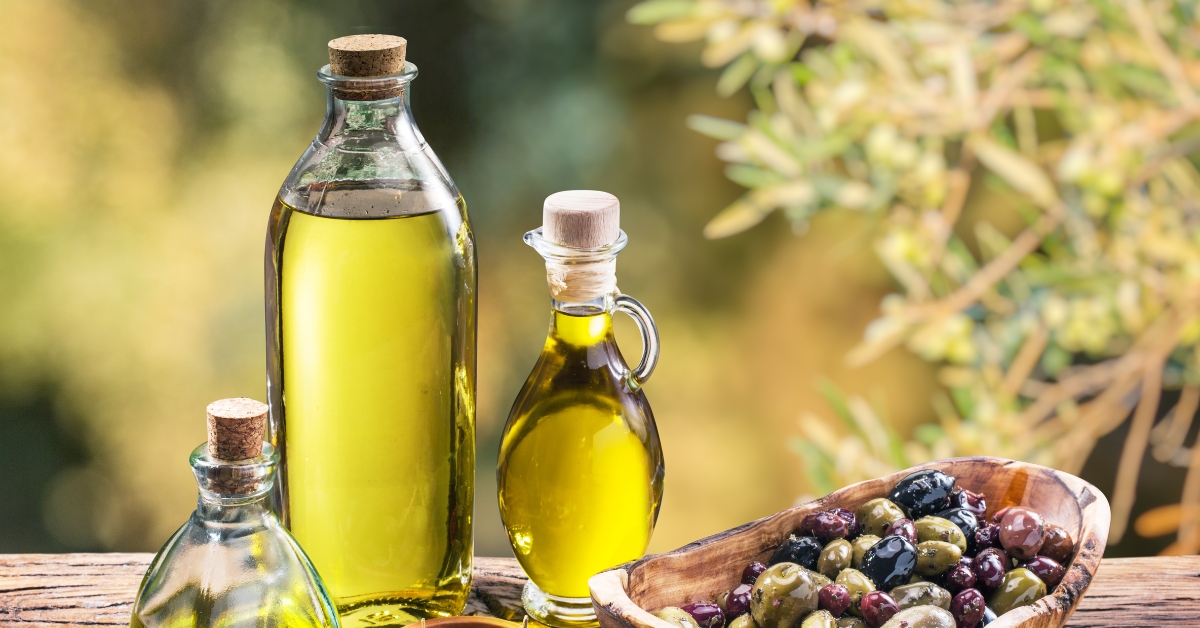
Beautiful, golden, and flavorful, did you know that olive oil is far more than just a kitchen aroma? It’s no accident that it’s used in Aleppo soap… Let’s discover 25 practical, eco-friendly and economical tips around this star ingredient in our cupboards.
Olive Oil, Useful Everywhere, for Home and Body
Beyond its essential benefits in daily eating, this fatty substance also serves as an excellent natural base for nourishing, softening, or cleaning the skin, hair, and even the furniture in your home.
1. Olive Oil for Health, Heart, and Digestion
Olive oil is meant to be eaten, of course, but not only to dress salads. It is the very foundation of the famous Mediterranean diet (or Cretan diet), whose protective principles have been lauded by science for decades.
1- Good for the Heart
These principles, especially regarding the prevention of cardiovascular diseases, have been confirmed by several large-scale studies, including the Predimed study, a Spanish landmark study that looked at more than 7,500 people. It is understood that olive oil helps the body better metabolize foods and absorb fewer harmful fats and sugars. Its high content of monounsaturated fats (oleic acid) and antioxidants (polyphenols) actively protects the cardiovascular system.
Of course you can incorporate olive oil into your diet, or for the bold, swallow a teaspoon on an empty stomach each morning to stimulate the liver and the transit.
2- Eat It… to Eat Better
Having a barbecue planned? A birthday? End-of-year celebrations? Swallow a large tablespoon of olive oil right before the event to slow the digestion of alcohol (moderation, of course). The fat will line the walls of the stomach. It also provides a mechanical sense of fullness that will help you resist gravitating toward salty crackers at the start of the party.
Olive oil will also be a valuable ally for heavy meals or a rough day after a celebration.
The express digestion recipe: Mix the juice of half a fresh lemon with a teaspoon of olive oil. Swallow this mixture to aid bile secretion and speed up digestion.
2. Olive Oil as a Natural, Eco-friendly Household Product
Olive oil proves just as good for your interior as it is for your body, provided you know how to pair it with the right ingredients. It can effectively replace many chemical products from stores.
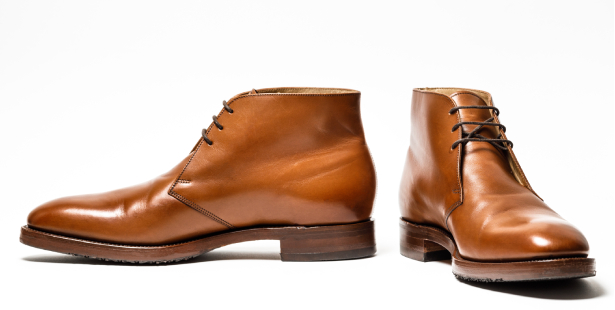
3- Nourish the leather of clothing and shoes
For a natural and economical polish for your shoes, gloves, handbags, and other leather accessories or garments:
How to use: Apply a few drops of oil to a soft cloth (microfiber), rub the leather in circular motions, let sit for 10 minutes, then wipe away the excess with a clean, dry cloth to leave the leather soft and shiny.
4- Nourish the leather of furniture
If you own a Chesterfield sofa, living room chairs, or any leather furniture that looks tired, olive oil can be used in the same way to nourish the leather deeply, prevent cracking, and restore its original shine.
5- Polish wooden furniture
For old parquet or solid wood furniture, this vegetable oil is an excellent sealing product. Simply apply it with a soft cloth and then absorb the excess with a clean fabric.
Homemade polish recipe: Mix 2 parts olive oil with 1 part lemon juice (or white vinegar). Put in a spray bottle, shake vigorously, apply to your wooden furniture, then buff. The vinegar cleans while the oil nourishes.
6- Remove water stains from wood
Water stains (the famous rings left by glasses) are a headache for wooden tables and furniture. To remove them, rub them gently with pure olive oil. For multiplied effectiveness, you can add a pinch of fine salt to the oil to create a light non-abrasive scrubbing effect. Then apply across the entire surface for a uniform result.
7- No masking tape handy?
You need to repaint a trim but you’re out of painter’s tape? Lightly brush the edge of the area to be protected with a brush dipped in olive oil. The oil will prevent the paint from drying and sticking if you go a bit over. Once the job is done, simply wipe the oil and paint smudges with a single cloth. Of course, this should be done carefully, but this handyman tip can save you in a pinch.
3. Olive Oil in the Garden: Plant Care and Tools
We might not think of it at first, but this golden oil can be repurposed outside the house for plant care and garden-tool maintenance too.
8- Nourish the soil
To care for tired indoor plants or any potted plant, pour a few drops of olive oil directly onto the surface of the potting soil, then lightly scratch the soil to help penetration. This provides nutrients and helps retain moisture during watering.
9- Heal plant wounds
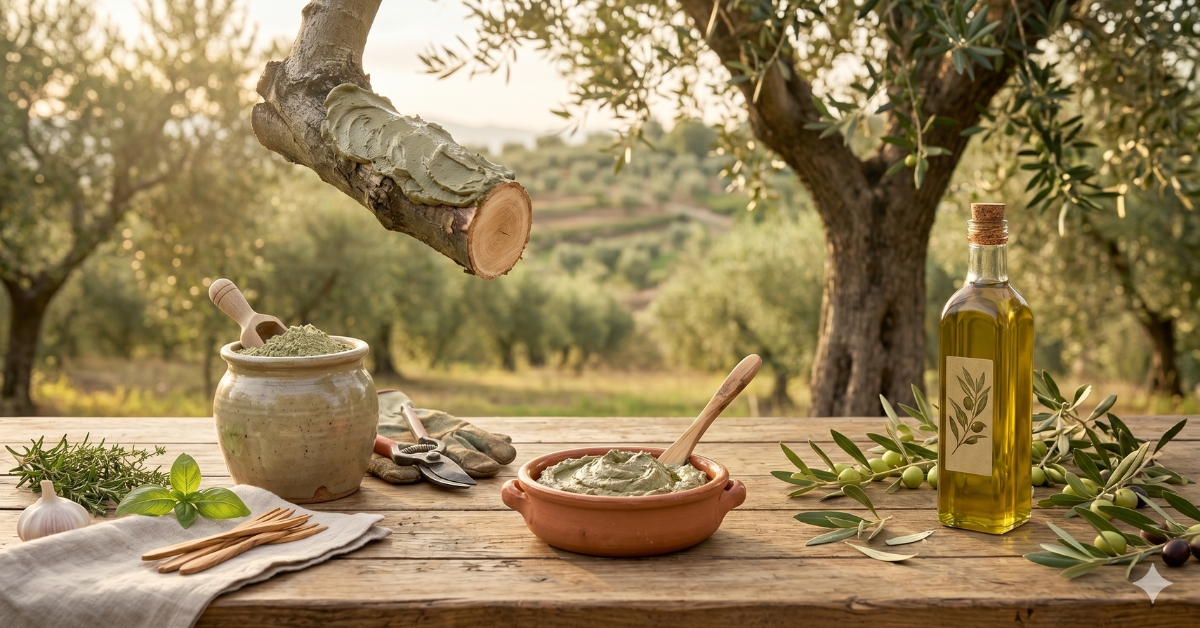
After pruning a tree or shrub, the cut wounds can be an entry point for disease. Make a natural sealing paste: mix a little green clay powder with olive oil until you get a thick ointment. Apply directly to the pruning wound.
10- Lubricate your garden tools
Rather than using petrochemical aerosol lubricants (toxic to soils and plants), keep olive oil in the garden. Put a few drops on the pivots of pruners, shears, and lawnmowers to lubricate them, prevent rust, and ensure smooth cuts.
4. Olive Oil as a Natural Beauty and Cosmetic Ally
When applied to the skin or hair, olive oil works wonders, but be sure to use an organic-certified product to avoid contact with chemical additives.
11- Against acne
Olive oil has natural purifying and antibacterial properties, which can make it a surprising ally against acne, contrary to the common beliefs about oils.
The recipe: In a small glass jar, pour 2 tablespoons of olive oil and add 3 drops of true lavender essential oil (healing and antiseptic). Use this preparation locally on the pimples with a cotton swab.
Dermatological warning: Olive oil has a moderate comedogenic index (2/5). If you have very oily skin or suffer from severe acne, avoid applying it to the entire face to prevent pores from clogging, and limit use to a strict local application.
12 – For dry, brittle hair
Olive oil is ideal for a home hair mask that is ultra-easy and highly nourishing.
The protocol: Lightly dampen your hair with warm water (which opens the hair cuticles) and wring it well. Apply generously olive oil from mid-length to ends. Leave on for at least 30 minutes, or ideally overnight under a shower cap (protecting your pillow). Then wash with two gentle shampoos to remove any greasy residue. Your hair will regain shine and softness.
13- To soften dry, chapped hands
To repair the delicate skin on hands roughened by cold or household chores: mix two-thirds olive oil with one-third sweet almond oil (or castor oil). Add a few drops of rose water or orange blossom water until you reach the desired texture. Massage your hands in the evening with this lotion. The mixture keeps best when refrigerated. Great also for repairing dry feet and heels.
14 – An excellent ingredient for a body scrub
Goodbye to industrial exfoliants full of microplastics harmful to the oceans! Here is a 100% natural and biodegradable recipe: in a bowl, mix 2 tablespoons olive oil with 1 tablespoon coarse sea salt (rich in minerals) or ground coffee (excellent anti-cellulite effect). Gently rub your body in circular motions in the shower, then rinse. The skin is instantly soft and hydrated.
15 – To ease shaving or soothe post-wax irritations
Olive oil helps at two stages of shaving. While shaving a area (legs, beard), it perfectly replaces a classic shaving gel. It lets the razor glide smoothly and is gentler and more protective than soap.
Moreover, after shaving or waxing, you can massage the area with a few drops of olive oil to soothe razor burn, reduce redness, and repair the skin barrier.
16 – Olive oil for your hair, and especially your eyelashes
Olive oil nourishes the hair fiber and supports healthy growth. It’s an excellent trick to strengthen and thicken lashes, just be careful not to let it reach your eyes.
Application tip: Use an old, cleaned mascara wand (or place a tiny drop on the tip of your fingers) and gently apply to the lashes at night before sleep.
17 – And for brittle nails?
Lemon juice is known to whiten and harden nails, but it tends to dry the skin around the cuticles. To counter this, squeeze half a lemon into a bowl and add 2 tablespoons of olive oil. Soak your fingers in this mixture for about ten minutes. Your nails will be stronger and your cuticles softened.
18 – The same mix will be a very effective anti-wrinkle
Dampen the skin on your face slightly with thermal water or a hydrosol, then apply a drop of the olive-oil/lemon mixture directly to fine lines on the face or neck. The antioxidant action of polyphenols combined with the natural vitamin E helps actively fight premature aging of the skin.
19 – The oil, an exceptional makeup remover
Makeup removers are increasingly available in cosmetic aisles, and for good reason. What dissolves makeup (even waterproof mascara) and excess sebum is fat! So, there’s no need for expensive lotions: remove makeup directly with oil…
No need to buy an expensive bottle: cooking olive oil is perfect for this. Pour a few drops into the palms, massage over the entire face and eyes closed, then rinse with warm water using a washcloth or a reusable cotton pad. While its earthy scent may surprise at first, it’s a highly effective care that’s beneficial in the long run (see the next point).

20 – A Peachy Complexion with Olive Oil
Olive oil is part of humanity’s oldest beauty secrets (used since ancient Egyptian and Greco-Roman times). It is naturally rich in squalenes and vitamin E, making it an exceptional emollient and moisturizer to deeply nourish the epidermis without harming the skin’s hydrolipid film.
21 – Olive Oil is Also Effective on Teeth and Gums
For sensitive or painful gums, you can combine olive oil with a drop of lemon juice. Gently rub your gums with this mixture using a clean finger or a ultra-soft toothbrush after your usual brushing, then rinse with clean water.
22 – Remove Stubborn Hair Substances
Messy projects, paint splatters, leftover glue, party makeup, or temporary color: if you find stubborn stuff embedded in your hair, olive oil will save you. Gently rub the soiled strands with the oil to dissolve the product, then shampoo.
Similarly, if your dog or cat brushed up against grease or pine resin on fur, apply a little olive oil to dissolve the stain without using toxic solvents! Rinse the area with soapy water (an adventurous task with a cat!).
23 – Degrease Your Hands Without Harsh Abrasives
In the same way, after mechanical work or DIY (grease, resin, paint), avoid harsh workshop soaps. Pour a tablespoon of olive oil into your dirty hands, rub vigorously against each other—the dirt will dissolve instantly in the oil. Then wash your hands as usual with your regular soap.
24 – Olive Oil for a Lasting Tan
Some people use olive oil directly on the beach to speed up tanning, but beware: olive oil provides absolutely no UV filter. Your skin is not a roast to brown! We strongly discourage applying raw olive oil before or during sun exposure. You must protect your skin from the sun with a sunscreen suitable for your skin type.
That said, it is warmly recommended for after-sun care. Applied to damp skin after a shower, it deeply nourishes the epidermis dried out by UV and salt, helping you avoid peeling and keeping a radiant tan for longer.
25 – As a Natural Self-Tanner Mask
If you want a naturally bronzed and luminous complexion without any chemical traces, try this mask recipe:
- 1 teaspoon olive oil,
- 5 drops carrot essential oil (rich in beta-carotene),
- 1 fresh egg yolk,
- 1 tablespoon plant-based cream or plain yogurt.
Beat the egg yolk with the cream or yogurt. Gently fold in the olive oil, then the carrot essential oil. Mix well until you obtain a smooth paste and apply to the face and décolleté (avoid the eye area). Leave on for about twenty minutes, then rinse thoroughly with warm water.
5. Eco-friendly Bonus: What to Do with Your Used Olive Oil?
Since consoGlobe advocates zero waste, here’s a crucial rule to remember: never pour used cooking oil down the drain! When it meets cold water, the oil solidifies and can clog pipes and suffocate bacteria in wastewater treatment plants.
To stay perfectly eco-friendly, filter used oil after frying: you can store it in a jar to reuse for your garden tools (tip #10), drop it off at a recycling center in the used-oil bin, or even use it as a base to make your own homemade soaps or natural-scented candles.