
Oxygenated Compost Tea (OCT), also known as Active Aerated Compost Tea (AACT), remains relatively little-known in the United States. Yet this natural fertilizer is gaining traction among gardeners who want to reduce chemical fertilizers while boosting soil life.
Unlike plant-based manures, often fermented without oxygen and notorious for their strong smell, Oxygenated Compost Tea is far more pleasant to work with. It is a liquid rich in living microorganisms, produced by aerating a mixture of water and mature compost.
Why Oxygenated Compost Tea Is Gaining Ground Among Gardeners?
The oxygenated compost tea combines soluble nutrients with a wide diversity of beneficial microorganisms: bacteria, fungi, protozoa, and nematodes. This microbiological richness naturally helps improve soil balance over time.
Used regularly, OCT helps restore fertility to depleted soils, stimulates plant growth, and promotes a stronger root system. Some gardeners also use it to limit the development of cryptogamic diseases through competition from the beneficial microorganisms.
Is Oxygenated Compost Tea Really Eco-Friendly?
Yes — provided you use high-quality compost. OCT makes it possible to valorize organic waste while reducing reliance on chemical fertilizers. Its use aligns well with a sustainable gardening approach.
Another advantage: it nourishes the soil’s microbial life rather than merely delivering nutrients. This broader approach appeals to many practitioners of permaculture and living-soil gardening.
Nevertheless, the effectiveness of oxygenated compost tea hinges on several parameters: the quality of the compost, ambient temperature, the duration of aeration, and how soon the mixture is used after preparation.

How to Make Oxygenated Compost Tea at Home
Making your own oxygenated compost tea is fairly straightforward. A few precautions can help ensure a truly effective blend.
Choose well-matured compost
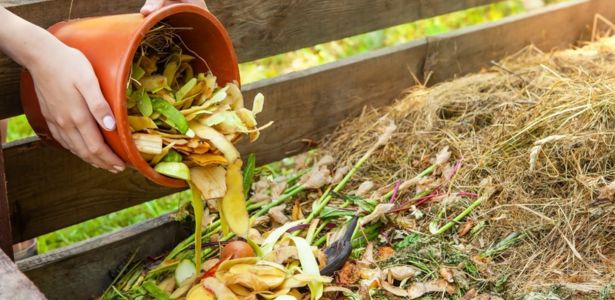
Start with fully decomposed compost. Compost that is too young or poorly balanced can encourage undesirable microorganisms and reduce the value of OCT.
If you’re using your own compost, check that it emits a pleasant woodland odor rather than a fermented or rotten smell.
Use chlorine-free water
Fill a large bucket with rainwater or spring water. Tap water can contain chlorine that may kill some of the beneficial microorganisms.
Add the compost
Place about 1 to 2 kg of compost in a cloth bag or fine-mesh sack, then submerge it in the water.
The essential step: aeration
Aeration is what truly sets OCT apart from other fermented preparations. An aquarium air pump paired with an air stone keeps the mixture oxygenated for 24 to 48 hours.
Mixing and filtering
During production, gently stir the mixture a few times a day to help nutrients diffuse into the water. Once ready, strain the liquid before use.
Ideally, compost tea should be used soon after preparation, as the microorganisms gradually lose their activity.
How to Use Compost Tea in the Garden?
For Watering
The OCT can be diluted at a ratio of one part tea to ten parts water to water vegetables, flowers, or houseplants.
This method gradually nourishes the soil and helps maintain a favorable biological activity.
Foliar Spraying
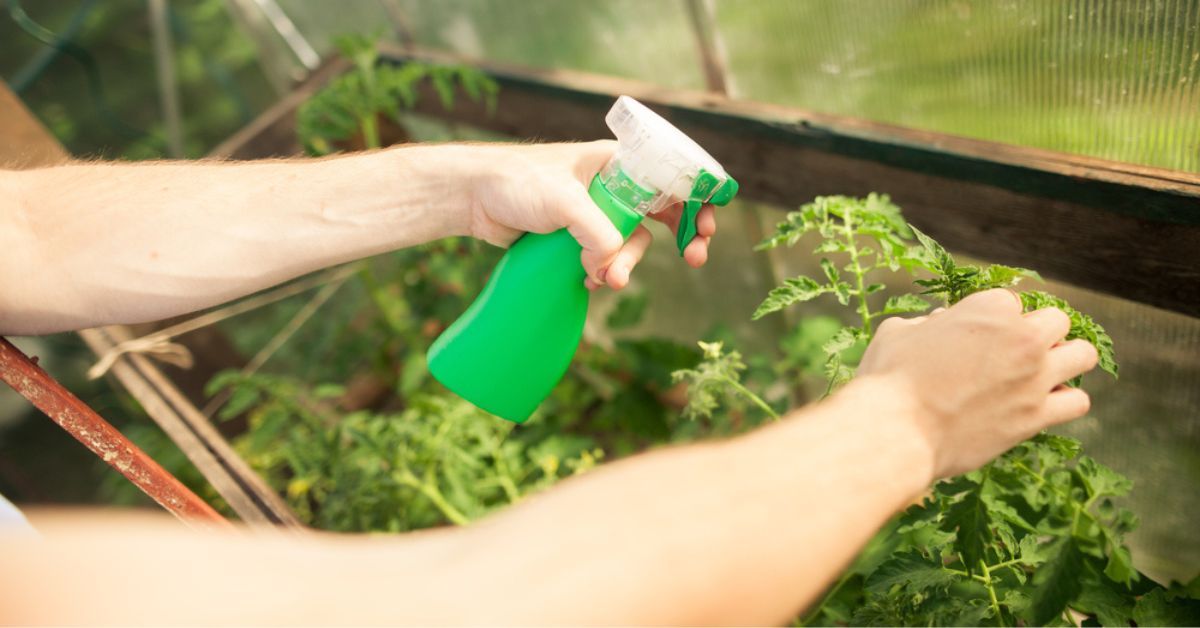
Compost tea can also be sprayed directly on the foliage. This technique is especially used for young plants or as a disease-prevention measure.
For best results, spray early in the morning or in the evening to avoid excessive evaporation.
For Seedlings and Young Plants
Oxygenated compost tea is often appreciated during the seedling stage. It can boost germination and help young shoots better withstand stress and disease.
Common Mistakes to Avoid with Compost Tea
The main trap is using poor-quality or insufficiently mature compost. Another important point concerns aeration: without enough oxygen, the mix can quickly lose its benefits.
Avoid also storing compost tea for too long after preparation. The fresher, the richer in active microorganisms.