
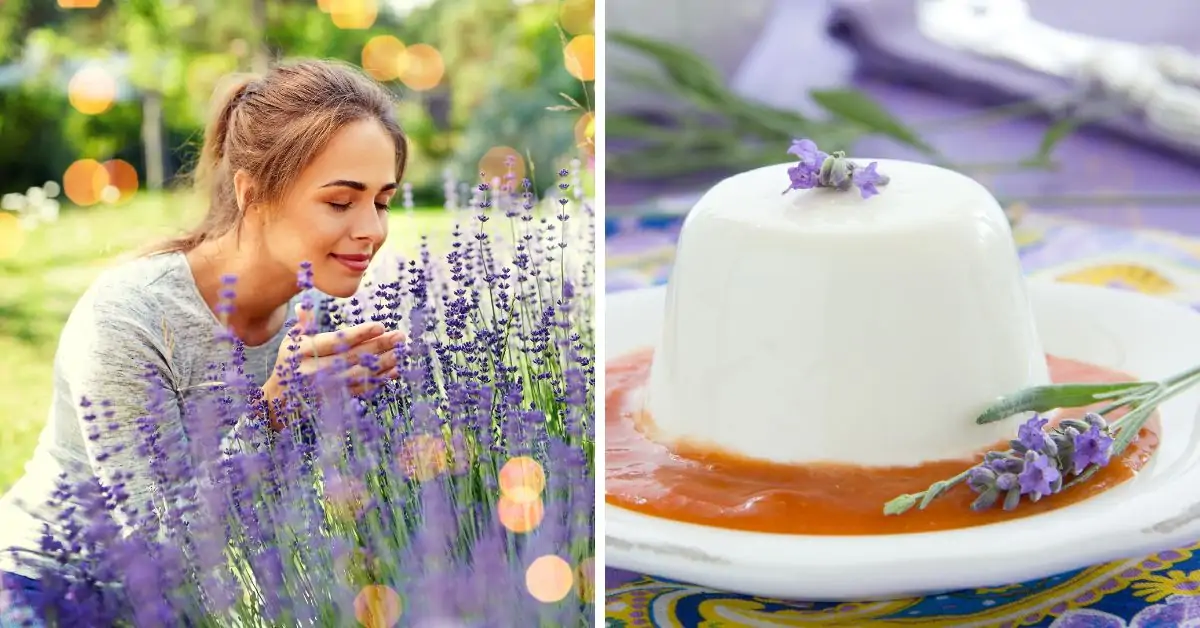
Beyond their decorative aspect, some flowers can also be consumed. Roses, nasturtiums, violets, lavender, daylilies… these varieties beautify the garden, attract pollinators, and bring an original touch to cooking. Of course, only if you choose carefully and never improvise harvesting.
Edible flowers: 5 varieties to plant in the garden
For a long time neglected, edible flowers are making a comeback on our plates. They flavor desserts, brighten salads, decorate homemade drinks, and can even help you make the most of a corner of the garden or balcony. But beware: not all flowers are edible. Some are toxic, others may have been treated with products not suitable for consumption.
The rose, undoubtedly the most obvious edible flower in the kitchen
The first flower that comes to mind when we think of edible flowers is often the rose. Think rose tea, scented jellies, crystallized petals, or desserts adorned with delicate florals. Its aroma varies greatly by variety: some roses are very fragrant, others nearly neutral.
To use them, only the petals should be used, after removing their white base, which is often bitter. They can be infused in hot water, incorporated into a homemade sugar, added to a fruit salad, or used as an edible garnish on a tart, cake, or panna cotta.
Homemade recipe idea: mix a handful of untreated rose petals with cane sugar, let dry for a few days in a jar, then use this scented sugar in yogurt, fruit compote, or shortcrust dough.
Nasturtium: a flavorful and colorful touch on your plate
The nasturtium, with its orange, yellow, or red flowers, is as pretty in the garden as it is tasty on the plate. Its peppery, slightly spicy flavor sometimes recalls watercress. It pairs very well with salads, crostini with fresh cheese, raw vegetables, omelets, or warm pasta dishes.
Its flowers, leaves, and even bud clusters are edible. The young leaves add texture to a green salad, while the buds can be prepared like capers in vinegar. A great no-waste idea to get more from the plant.
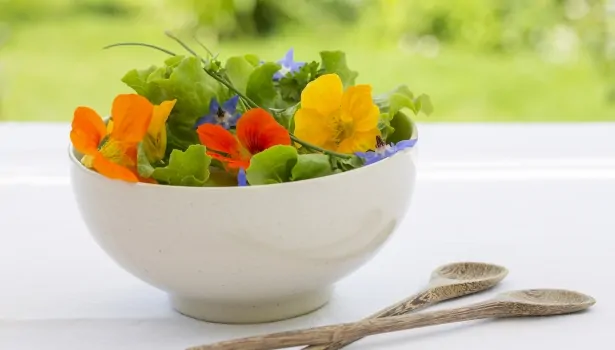
In the garden, nasturtium is easy to sow, even in a pot. It attracts pollinators and can also act as a trap plant to divert aphids from certain vegetables. Plant it in sun, in light soil, with no excess fertilizer: too much nourishment will favor leaves over flowers.
The violet, an edible flower ideal for jelly, but not only
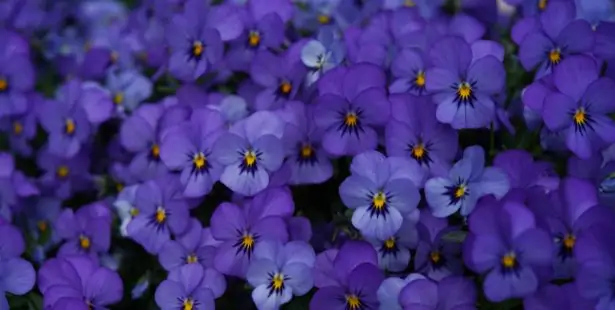
Another flower you have likely tasted in pastries or confections: the edible violet. Its delicate aroma suits simple desserts where it won’t be overwhelmed by strong flavors.
Its blossoms can be added to a fruit salad, rice pudding, a plant-based cream, or homemade lemonade. They can also be crystallized in sugar, transformed into jelly, or integrated into a flavored syrup. When cooked, they can appear in certain sweet sauces, but they’re often more interesting used fresh or infused.
Well-being tip: edible flowers are not miracle cures. Their value mainly lies in their aromatic richness, color, and the pleasure of diversifying your diet with simple, local, seasonal products.
Lavender… not only for fragrance!
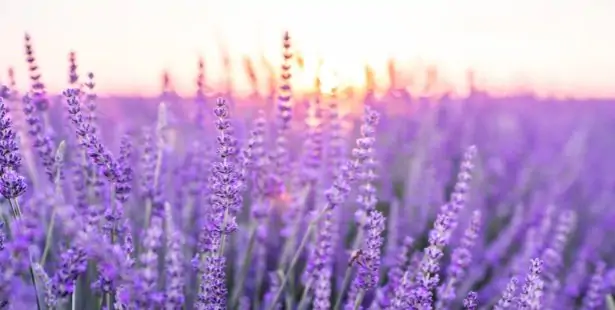
A color close to violet, lavender offers culinary enthusiasts its highly fragrant flowers. Its aroma is powerful, sometimes even overpowering: it should therefore be used sparingly. A pinch is often enough to perfume an entire preparation.
The lavender flowers are best incorporated into desserts: ice cream, panna cotta, custards, shortbread, cookies, madeleines, or apricot jam. They can also perfume a homemade sugar, honey, an infusion, or a lemonade. To avoid a soapy taste, it’s better to infuse and strain, rather than adding too much directly into batter.
In the garden, lavender is a valuable ally. It prefers well-drained soils, tolerates drought once established, and attracts many pollinating insects. On a sunny balcony, it also grows very well in a pot, provided you avoid standing water.
Read also – Peach lavender tarte tatin: the scented recipe for your summer!
The daylily, or “one-day lily”: a generous edible flower
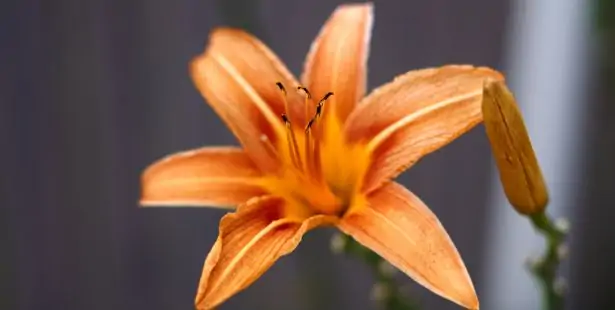
The last flower we can recommend is the daylily, also called the “one-day lily.” Its large, colorful blooms are spectacular in the garden and can also be cooked. However, be careful not to confuse it with the true lily, which has different uses and can be toxic to some pets.
In daylilies, the flower buds, blossoms, and young shoots are traditionally used in cooking. Its flower buds can be incorporated into an omelet, its young shoots can be cooked like a green vegetable, and its flowers can serve as edible decorations, or even be stuffed with a savory or sweet cream.
Its mild flavor, sometimes slightly sweet, pairs well with simple preparations. The petals can accompany a summer salad, a fruity dessert, or a cold plate. As with all edible flowers, start with small amounts to check your digestive tolerance.
How to harvest and prepare edible flowers?
The golden rule is simple: you don’t eat a flower because it’s pretty, but because it’s clearly identified as edible. Harvest them ideally in the morning, when they are fresh, away from roads and treated areas. Gently shake to dislodge any insects, then rinse quickly under clear water before drying on a clean towel.
Avoid soaking them for too long: they would lose their aroma and their form. Delicate flowers, such as violets or nasturtiums, are best consumed promptly. The more aromatic ones, like lavender or rose, can be dried in shade in a ventilated place, then stored in an airtight jar.
What to remember
- Not all flowers are edible: identification is essential.
- Florist flowers or decorative garden-center blooms should not be eaten.
- Roses, nasturtium, violets, lavender, and daylilies are easy to grow in the garden.
- Edible flowers are used in small quantities, especially when they are highly fragrant.
- In the garden, some flowers like nasturtium attract pollinators and promote biodiversity.
Article updated