
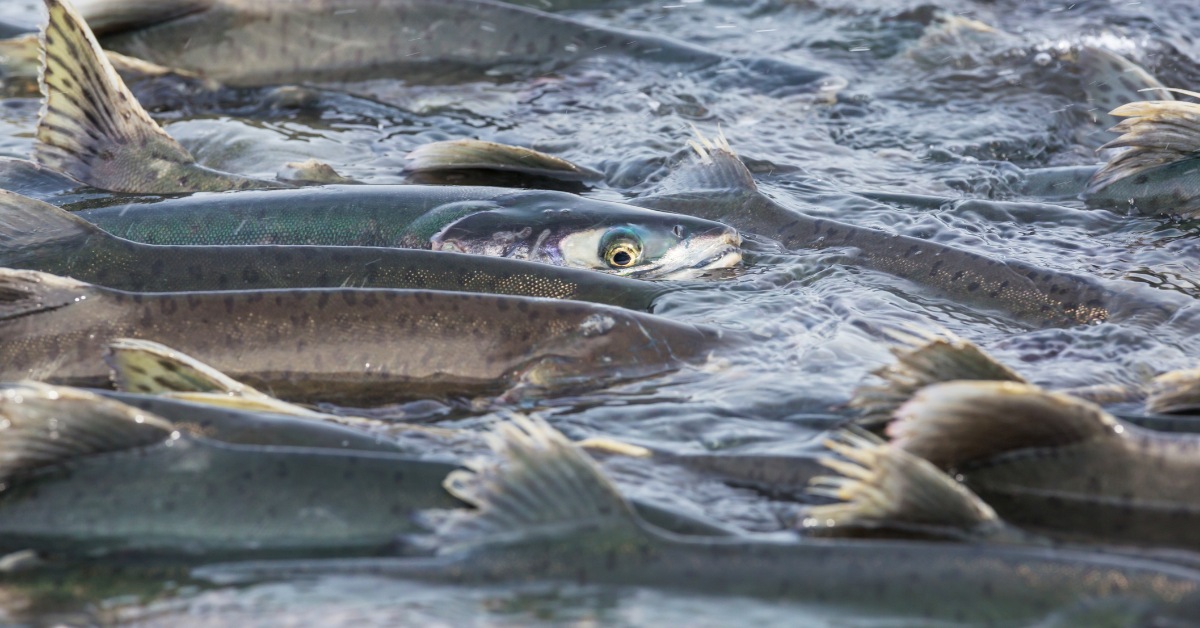
This discovery sheds light on the overlooked impact of pharmaceutical pollution on aquatic ecosystems.
When Cocaine Transforms Aquatic Ecosystems
An improbable yet alarming discovery is upending our understanding of emerging pollutants. Swedish researchers have shown that exposure to cocaine and its metabolites radically alters the behavior of juvenile Atlantic salmon. Their study, published in Current Biology on April 20, 2026, reveals the unforeseen extent of pharmaceutical contamination in our aquatic environments.
As part of this study led by Jack Brand, Daniel Palm, Daniel Cerveny, and Marcus Michelangeli, from the Swedish University of Agricultural Sciences, 105 salmon equipped with GPS tags were tracked for two months in Lake Vättern, southern Sweden. The results exceed all expectations: fish exposed to drug residues swam up to twice as far as their uncontaminated peers.
Benzoylecgonine, a metabolite even more harmful than the parent substance
Paradoxically, benzoylecgonine, the primary metabolite of cocaine produced by the human body, proves the most disruptive to aquatic life. The salmon exposed to this derivative swam nearly 32 km from their release point, compared with about 19 km for the control group. This finding upends environmental assessment protocols: researchers emphasize the importance of assessing not only the presence and effects of cocaine itself but also its metabolites. Otherwise, there is a risk of missing a large portion of the environmental threat facing aquatic wildlife.
Benzoylecgonine is present at higher concentrations in natural environments than the original substance because wastewater treatment plants are not designed to effectively remove these chemically transformed compounds.
Global contamination documented
This cocaine pollution is far from an isolated phenomenon. Traces of this substance have been detected in sharks off Brazil and the Bahamas, in shrimp, mussels, and eels around the world. In July 2024, thirteen sharks tested positive for cocaine off the Brazilian coast, underscoring the geographic breadth of this contamination. According to UNODC data, global cocaine production reached a new record in 2023, peaking at 3,708 tonnes – 34% higher than the previous year. The number of cocaine users worldwide also continued to rise: the agency estimates that 25 million people used the drug in 2023, up from 17 million in 2013. Logically, this uptick in consumption translates into more metabolites being discharged into wastewater, and then into aquatic ecosystems.
Beyond Salmon: a widespread chemical cocktail
Atlantic salmon already face multiple environmental pressures. Habitat loss due to urbanization and dams, warming waters altering marine currents, overfishing and competition with invasive species, not to mention traditional chemical pollution that threatens their daily survival. The addition of pharmaceutical contamination could permanently jeopardize the species’ prospects for survival.
This study is part of a broader context of pharmaceutical contamination. In 2025, the same team documented similar effects with clobazam, a common anti-anxiety medication. Exposed salmon tended to swim faster during migration, traveling 27 km from the Dal River to the Baltic Sea, likely due to increased risk-taking. “Cocaine and other drug-related contaminants constitute an increasingly troubling environmental issue on a global scale. Many of these substances are excreted after use and pass through wastewater treatment plants that aren’t designed to remove them completely,” laments Jack Brand.
This groundbreaking study confronts us with a disturbing reality: humanity’s addiction to drugs is quietly reshaping aquatic ecosystems. Cocaine and its derivatives join the long list of emerging pollutants redefining natural balances, demanding a complete overhaul of our monitoring and environmental protection strategies. In the face of this widespread contamination, there is an urgent call for innovative wastewater treatment solutions to safeguard aquatic biodiversity and, by extension, the integrity of Earth’s ecosystems.
- https://www.cell.com/current-biology/fulltext/S0960-9822(26)00315-5
- https://www.unodc.org/documents/data-and-analysis/WDR2025/2511227F.pdf