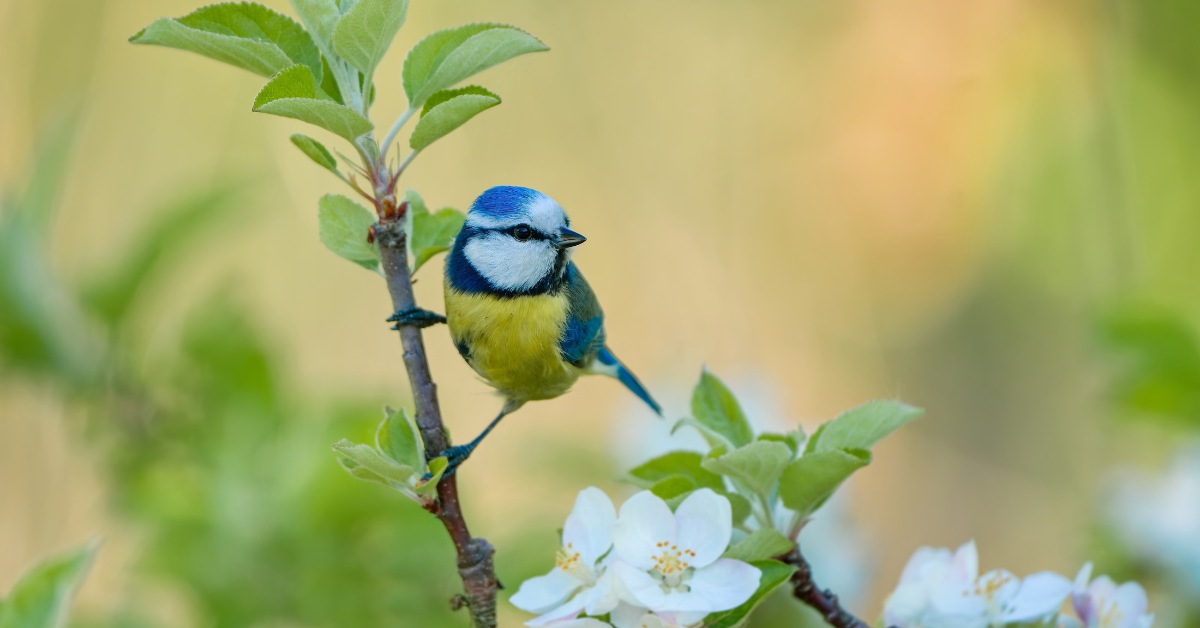
They brighten our gardens with their yellow bellies, their darting back and forth, and their distinctive song that’s recognizable among a thousand others. Found across a large part of France, titmice are among nature lovers’ favorite birds. But if they visit some gardens with enthusiasm and shun others, it isn’t by chance. Food, safety, tranquility… and even colors all play an important role.
Yes, the choice of a nesting box, a feeder, or an outdoor setup can influence their behavior. After all, titmice observe far more than we imagine.
A Charming Visitor… But Very Cautious
The titmouse is lively, curious, and agile. Yet it remains extremely wary. As a potential small prey, it analyzes its surroundings before settling in. The slightest suspicious movement, a location too exposed, or an object too conspicuous can be enough to make it turn away. To attract them, it’s best to think like they do: a calm, reassuring spot close to vegetation will always be preferred.
Why Color Matters So Much
Birds don’t see the world the way we do. While humans have trichromatic vision, many bird species possess tetrachromatic vision. In short: they perceive more shades, including ultraviolet wavelengths invisible to our eyes.
Result: a color that seems soft to us may appear dazzling to a titmouse. Conversely, certain natural tones inspire confidence because they remind them of tree trunks, foliage, or natural cavities where they typically nest.
The Best Colors for Attracting Titmice
For a nesting box or a feeder, opt for discreet, natural hues:
- forest green
- moss green
- beige
- light or dark brown
- stone gray
- unfinished, untreated wood
These colors help the installation blend into the surroundings. They reassure the bird while reducing the attention of predators.
Colors to Avoid
Highly conspicuous accessories are rarely a good idea. Electric blue, bright red, fluorescent yellow, intense orange, or stark white draw the eye… but not necessarily the titmice. These colors can signal an artificial or overly exposed environment. Some glossy or varnished surfaces also reflect light, which can heighten their wariness.
In short: if your nesting box looks like a trendy decorative object, the titmouse is likely to pass it by.
Placement Is Still Key
Even the most beautiful nesting box in camouflage colors won’t help if it’s poorly placed. Install it between about 6 and 13 feet high, sheltered from the prevailing wind and from frequent activity. Avoid areas accessible to cats and favor a spot near shrubs, hedges, or trees. These elements provide cover, a vantage point, and quick refuge in case of alarm.
The Menu That Draws Titmice Back
Titmice love unsalted sunflower seeds, small chopped nuts, rehydrated raisins, and fat-rich foods in winter. In spring and summer, they also feast on a wide range of insects, valuable allies for gardeners.
A lively garden, with a few native plants, a diverse hedge, and sparing use of pesticides, will always be more attractive than a feeder isolated in the middle of a bare lawn.