

Are your tools clean and disinfected? Impeccable: that’s the baseline before any pruning, just as much for a clean cut as to prevent spreading diseases from one shrub to another. But for lilac pruning, a few extra guidelines are useful. Ideal timing, gestures to avoid, effective cuts: here’s everything you need to know to keep a lilac vigorous and generously in bloom.
Taille du lilas : un arbuste fleuri peu contraignant
Iconic spring shrub, lilac charms with its clusters of flowers as well as its unmistakable fragrance. Its bloom, typically from April to May, turns a garden into a true pastoral scene. Its cut flowers hold well in a bouquet and scent the home pleasantly.
Lilacs prefer sunny locations, which promote abundant flowering. They tolerate many soil types, including slightly calcareous soils, provided they stay well-drained. It’s a hardy shrub, relatively low-maintenance and often very long-lasting when well planted.
Once established, lilac handles dry periods fairly well, but it fears excess standing moisture and late frosts on the young flower buds.
Pourquoi tailler le lilas ?
The lilac needs pruning to maintain a nice shape and, above all, to flower well. Without regular care, it gradually produces fewer flowers, the panicles become smaller, and the bloom loses its brilliance.
The more pruning is neglected, the more the shrub thins at the base and wears out. Conversely, a well-considered pruning stimulates the appearance of new vigorous shoots, promotes branching, and renews flowering year after year.
À quel moment tailler le lilas ?
There are two main pruning approaches depending on the age of your shrub: formative pruning for young plants, and maintenance pruning for established lilacs.
Formative pruning begins after planting and can last 7 to 8 years depending on the vigor of the plant. It’s aimed at structurally shaping the shrub for the long term.
Maintenance pruning then takes over to keep a lilac balanced, healthy, and flowering.
Formative pruning is performed in the fall, in October or November. Maintenance pruning, on the other hand, takes place just after flowering, often in May or early June depending on the region.
Avoid any severe pruning in winter on an adult lilac at all costs: you would remove flower buds already formed for the coming spring.
Comment tailler un lilas ?
Taille de formation
At planting time, cut back about half the length of the branches. This initial cut encourages a solid start and a denser structure.
After the first flowering, remove the faded flowers by cutting just above the young buds located beneath. These are the buds that will carry the next bloom.
Over the years, keep 8 to 10 main branches, more if you have space and fertile soil. Gradually remove excess stems down to the soil to maintain a harmonious shape.
Removing spent flowers remains a key practice every year.
Taille d’entretien
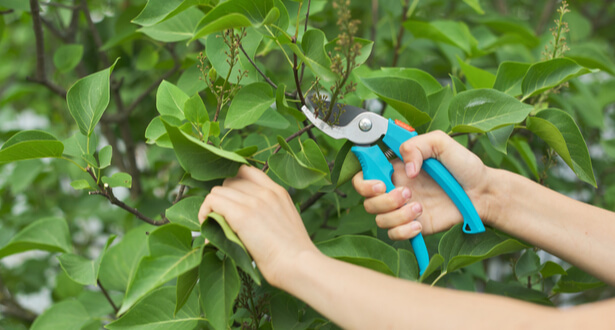
Each year, start by removing dead, damaged, or diseased branches. Also remove those that grow inward, cross each other, or look too weak. This aeration limits disease and helps light circulate more freely.
Next comes the most important step: removing spent flowers. One to two weeks after flowering, cut back the faded clusters without disturbing the buds right below. These are the ones that will bear the flowers for the next year.A light but steady pruning is better than a harsh cut every five years.
Faut-il rajeunir un vieux lilas ?
Yes, when a lilac becomes too tall, thins at the base, or flowers poorly, a gradual rejuvenation is advised. Each year, remove one-third of the oldest branches at ground level for three years. This gentle approach avoids shocking the shrub while encouraging new growth.
With these simple, regular practices, your lilac will stay vigorous, well-balanced, and covered with beautiful fragrant flowers every spring. A little care, and it will reward you generously.