
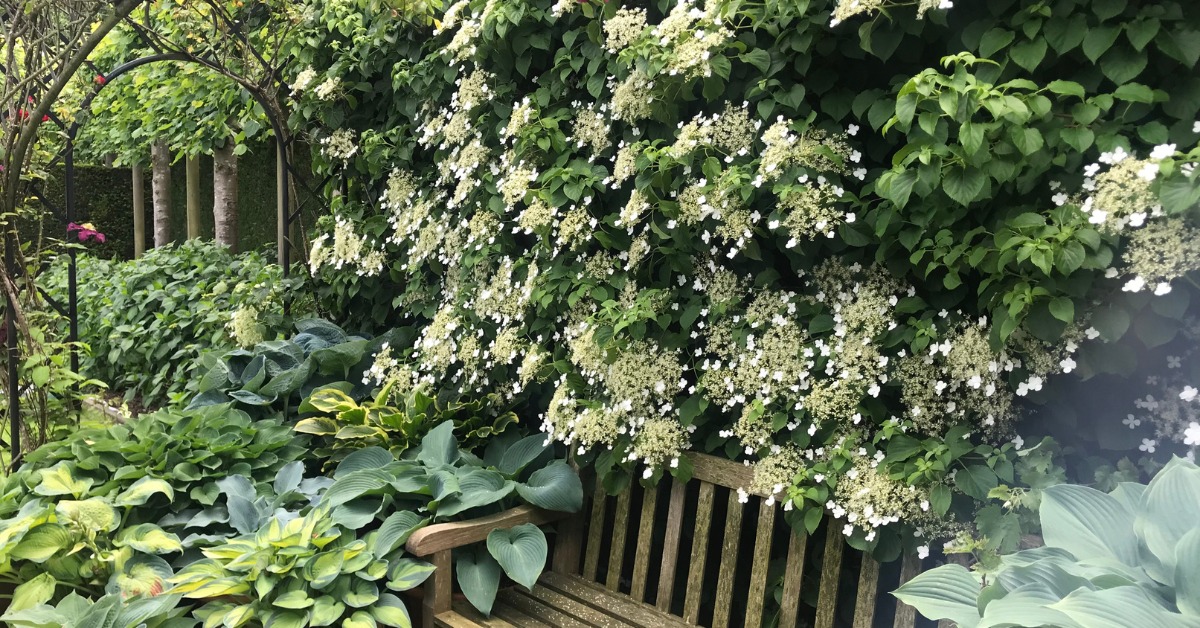
Your garden is full of potential, but its exposure isn’t ideal. What should you grow in the shade? Don’t worry—many plants are perfectly suited for spots that see little sun, and it can even be an asset, provided you find the right shade plant!
Contrary to common belief, a shady garden isn’t necessarily dull or monotonous. Some plants actually prefer cooler, dim light to a blazing sun. With the right varieties and a few layout tricks, a shaded corner can become a true sanctuary of greenery, especially enjoyable during increasingly hot summers.
A shade plant, you say?
Not all plants behave the same when placed in shaded conditions, and it’s hard to truly predict their behavior because of the “quality” of the shade.
Indeed, shade caused by a tree, for example, or by a pergola overgrown with wisteria isn’t the same as shade from a balcony or tall, looming buildings.
We generally distinguish between light shade, where the sun filters in for a few hours a day, and dense shade, often cooler and more humid. Before selecting your plantings, take time to observe the light throughout the day. Some plants tolerate shade, others truly need it to avoid scorching or drying out.
That shouldn’t stop you from experimenting; some plants can adapt incredibly well and deliver results that will put a smile on your face from ear to ear.
Going Up: Shade-Tolerant Climbers
It isn’t always the first thought, but many climbing plants can tolerate shaded situations, especially because they manage to find light up high.
A good shade-loving climber in this case is the clematis, with its delicate flowers that will quickly grow upward in search of ever more light. The climbing hydrangea, unbeatable for brightening a north-facing wall, the ivy or the Virginia creeper, perfect for a dense, insulating cover, are also excellent candidates if you’re wondering, for example, which plants to place along a wall in the shade.
The honeysuckle can also be a beautiful surprise in a space with little exposure. Some varieties tolerate very well the partial shade and offer a pleasant fragrance in spring and summer. A great way to dress up a fence or a pergola while promoting biodiversity in the garden.
Shade-loving Groundcover Plants
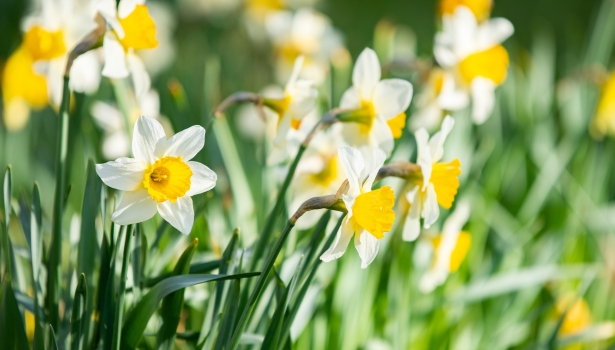
In the shade-plant category, many actually thrive in shade simply because that’s where they flourish best. The daffodils, the cyclamens, or the snowdrops will settle into clumps among the bergenias, the Carex or the Pachysandra and even creeping ivy.
If you lean toward this type of plant, carefully plan their initial placement to prevent competition at first. Once well established, these plants will delight you with their blooms and foliage right where you thought nothing would grow!
Groundcovers also offer another advantage: they naturally limit weed growth and help conserve soil moisture. A valuable trait in urban gardens or hard-to-maintain corners.
Shade-loving Flowering Plants
Want a shade-loving flowering plant? Don’t worry—you’ll have plenty of choices with some begonias, several varieties of geraniums, but especially with flowering plants that naturally enjoy the shade like lily of the valley or pansies.
The hostas also deserve a prime place in shaded gardens. Highly valued for their generous, decorative foliage, they immediately give a sense of lushness. Just watch out for slugs that love their tender leaves in spring.
But the group of shade plants where you’ll certainly find the most candidates is the category of plants known as ericaceous (heather-loving) plants. If their requirements are a bit particular, especially regarding soil composition, their main advantage is that they indeed thrive in shade!
Azaleas, camellias or rhododendrons can thus transform a dark space into a truly romantic garden when conditions suit them.
How to Create a Successful Shade Garden?
A shaded garden sometimes requires a little less watering than a sun-drenched space facing south, but that doesn’t mean you should neglect it. Soils in the shade can stay moist longer and encourage certain diseases or slug proliferation. It’s better to avoid overwatering and opt for a light mulch to maintain a good balance.
Also think about playing with the foliage. The varying shades of green, variegated or silvery leaves help bring light to a dark corner without relying solely on flowers.