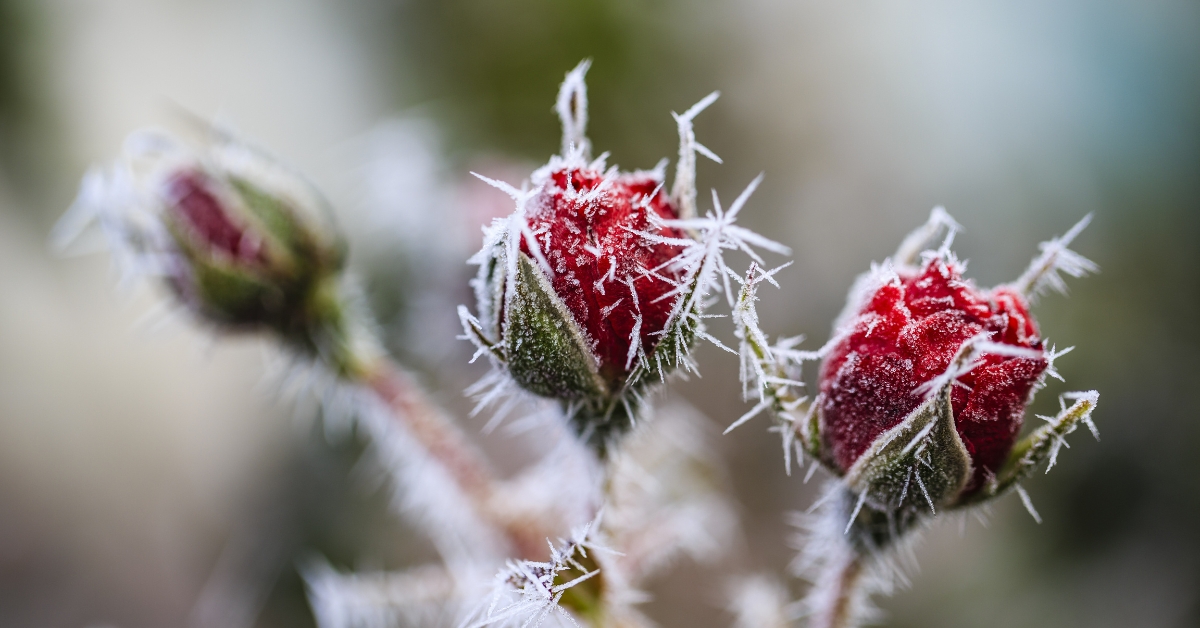
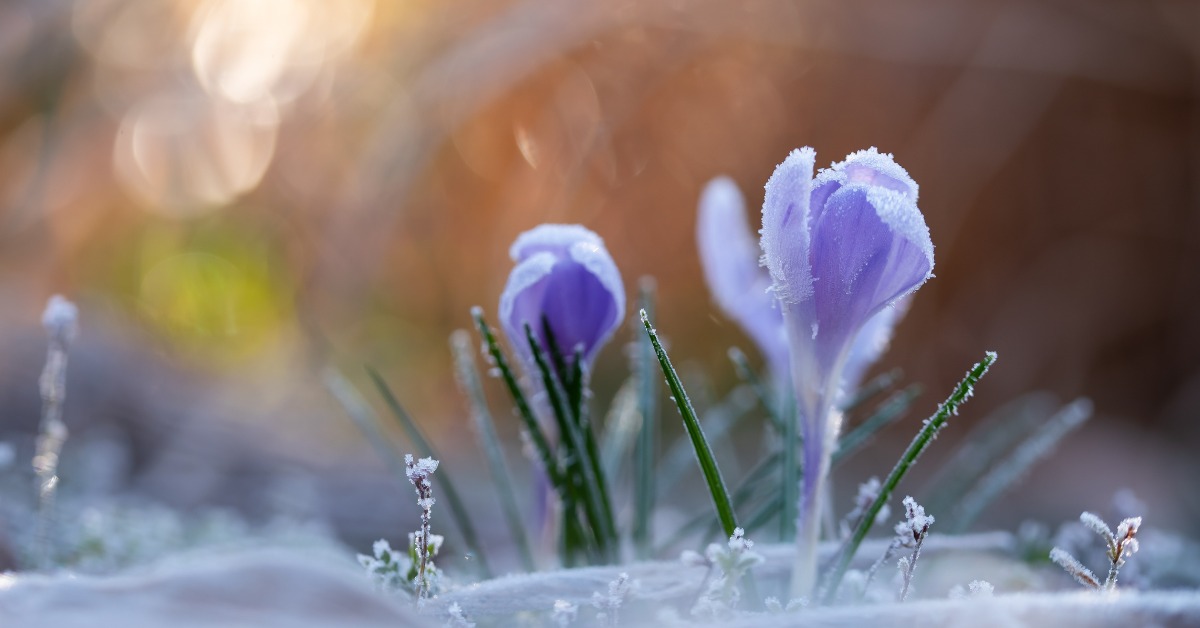
Their origin traces back to the early Middle Ages and they continue to influence gardeners’ habits. Here are Saint Mamert, Saint Pancras, and Saint Servais, the famous Ice Saints who traditionally mark the last frosts and severe frosts of the year.
If some see this mainly as a popular belief, others continue to pay particular attention before planting tomatoes, zucchini, or fragile flowers. Because even with climate warming, late frosts remain capable of delivering a few surprises to the garden.
Cold and Severe Frosts
The fear of the Ice Saints and late frosts in May is often rooted in tradition and agricultural experience. In reality, the likelihood of late frosts depends largely on the weather conditions of each year and each region. During this period, frosts are dreaded by both gardening enthusiasts and farmers. These dates mainly mark the transition from winter to spring.
Respectively celebrated on May 11, 12, and 13, Saint Mamert, Saint Pancras, and Saint Servais are the famous Ice Saints that correspond to the last period of cold and severe frosts of the year. Although they no longer officially appear on the calendar since the Catholic reform of 1960, they remain very popular, especially among gardeners. And for a good reason: it is often after their passage that planting of the plants most sensitive to cold genuinely begins.
Why this period remains watched by gardeners
May can give a false sense of security. Days can be hot and sunny, but nights stay cool, especially in rural areas, valleys, or high-altitude zones. This thermal contrast favors morning frosts capable of burning the youngest, most delicate shoots within a few hours.
Tomatoes, eggplants, basil, zucchini, or geraniums are among the plants particularly sensitive. A single cold night can sometimes halt their growth, or even destroy them completely.
Protecting your garden
According to meteorologists, the Ice Saints remain relatively reliable. Over the last 50 years, it has frosted on average once every four years during these three days. And when the weather is unstable, garden vigilance is required. That means until mid-May, it’s best to wait before finally moving summer plants and vegetables that don’t like the cold outdoors.
Even if there is sun during the day, beware: the risk of frosts at night or early morning remains significant. Consequently, you should protect your garden and cover your plants and vegetables with a frost cloth, a cloche, or a low tunnel. Pots can also be placed close to a south-facing wall to take advantage of the heat that accumulates during the day.
Another tip is to generously mulch around the base of the plants. Mulching reduces soil temperature swings and protects roots from nighttime cold snaps.
Is Climate Change Really Changing the Game?
With increasingly mild springs, some gardeners are tempted to plant earlier. Yet late cold spells have not disappeared entirely. On the contrary, drastic climate variations can sometimes make the weather more unpredictable.
The danger mainly comes from plants that start growing earlier due to warmer temperatures. A sudden cold snap can then cause more damage than before.
Experts therefore recommend adapting your plantings to your region and checking local weather forecasts rather than relying solely on the calendar.
Which vegetables and flowers to wait for before planting?
Sun-loving vegetables like tomatoes, peppers, melons, cucumbers, or zucchini generally benefit from waiting until after the Ice Saints before planting in the ground. Exercise the same caution for annual flowers sensitive to frost like petunias, impatiens, or begonias.
In contrast, lettuces, potatoes, peas, beans, or onions tolerate the cooler spring temperatures better.