

It’s not just when it’s cold that certain skin starts signaling alarms. During seasonal changes, tightness, redness, roughness, dull complexion: dry and sensitive skin struggles with seasonal transitions. The good news is that a few simple steps can restore skin comfort without turning your bathroom into a laboratory.
Dry skin: why it becomes more fragile during seasonal changes
Dry skin isn’t simply a skin that “lacks water.” It mainly suffers from a weakened lipid barrier, the protective film that limits water loss and shields the epidermis from external irritants.
When this barrier becomes less effective, water escapes more easily. Result: the skin tightens, itches at times, reddens faster and looks dull. Cold, wind, temperature fluctuations, hot showers and the dry air of heated interiors can amplify this phenomenon.
As we age, the skin also produces less sebum. It gradually loses suppleness and dries out more quickly. The right strategy, therefore, isn’t to attack it with stripping products, but to nourish, protect, and soothe it regularly.
Hydrating from the inside, yes… but mainly protecting from the outside
Staying well hydrated is important for the body’s overall function. Water, unsweetened herbal teas, light broths or vegetable juices can help maintain good general hydration.
But for dry skin, drinking more isn’t always enough. The real challenge is to limit water loss at the epidermal level. That’s the job of emollient and nourishing care: they strengthen the skin’s protective film and improve comfort.
Cleansing dry skin without stripping it
Cleansing is essential, but it must stay very gentle. Dry skin doesn’t tolerate overly stripping foaming cleansers, alcohol-based lotions, or aggressive scrubbing. In the morning, a light cleanse often suffices. In the evening, it helps remove makeup, pollution, dust and excess product buildup.
For the face, prefer a hydrating cleansing milk, a gentle cleansing oil, or a cleanser without harsh fragrance. The final traces can be removed with a soothing floral water, like chamomile or rose.
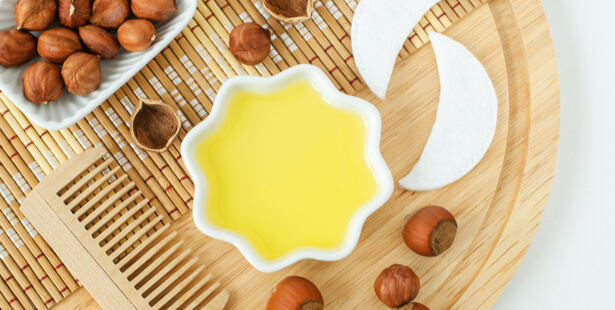
For the body, a mild soap, a dermatological bar, or a nourishing cleanser can replace highly scented shower gels. Aleppo soap may suit some skin types, provided you choose a quality product and monitor skin tolerance.
Day cream: the daily shield for dry skin
Right after your morning cleanse, the skin needs a product that hydrates, nourishes and protects. Contrary to a common belief, dry skin doesn’t necessarily require a very heavy product that sits on the surface. It mainly needs ingredients that help the skin barrier function better.
Creams containing ingredients like glycerin, aloe vera, shea butter, ceramides or certain vegetable oils are advantageous. They provide comfort and suppleness, without necessarily leaving a sticky film.
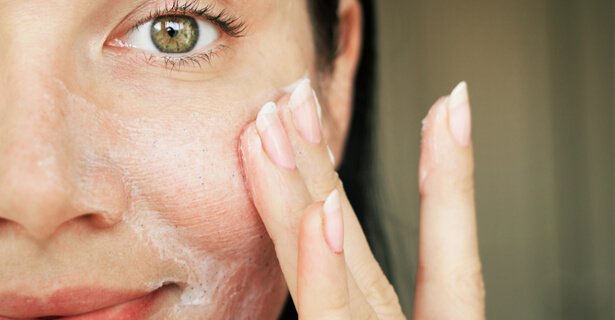
The right move: apply the product to clean, slightly damp skin to help lock in moisture. In winter or fall, a richer texture can be helpful, especially if you move from cold outdoor conditions to heated indoor spaces all day.
Which plant oils nourish dry skin?
Plant oils can complement a simple routine. Jojoba oil, close to natural sebum, often works well on the face. Argan oil is favored for mature, dry skin. Sweet almond oil can be comfortable for the body if well tolerated.
A few drops are enough, alone or blended into the cream. No need to go overboard: a shiny complexion isn’t necessarily better nourished; the skin may simply be saturated.
Dry skin: the steps that make all the difference
The best routine won’t compensate for overly aggressive habits. To avoid the “crocodile skin” effect, it’s better to limit long, hot showers. Lukewarm water, a brief cleanse, and a nourishing product right after the shower are often more effective than stacking more products.
In rooms that are very heated or air-conditioned, the air becomes dry. A few minutes of airing each day and avoiding over-warming can help. A light mist of thermal or floral water can also bring comfort during the day, provided you pat it dry lightly afterward and apply a moisturizer if your skin feels tight.
Night care for repairing dry skin
At night, the skin enjoys a calmer moment to regenerate. This is the right time to apply a richer product: a nourishing cream, a repairing balm, or a few drops of plant oil under a cream.
Very dry skin may also appreciate a hydrating mask once or twice a week. The goal isn’t to multiply potent actives, but to restore comfort. If redness persists, significant itching, patches, cracks or eczema, it’s best to seek advice from a healthcare professional.
And sunscreen?
Yes, it’s useful. In the city, a daytime product with sun protection can be appropriate depending on exposure. In the mountains, it becomes essential: the glare from the snow and higher altitude increase UV exposure, even on cold or overcast days.
Dry skin is already fragile. Protecting it from cold, wind, and sun helps prevent asking the skin to do the impossible. It already has enough to handle with office heating.

Dry skin: frequently asked questions
What’s the difference between dry skin and dehydrated skin?
Dry skin mainly lacks lipids, whereas dehydrated skin lacks water. An oily skin can also be dehydrated. Dry skin, on the other hand, needs nourishing care to strengthen its protective barrier.
Should you exfoliate when you have dry skin?
Yes, but with a lot of moderation. A gentle, occasional scrub can help remove dead skin cells. However, frequent or abrasive exfoliation often worsens tightness.
Which cream to choose for dry skin in winter?
Opt for a rich, gentle cream, alcohol-free and non-irritating, with hydrating and nourishing actives such as glycerin, shea butter, ceramides or certain plant oils.
When should you see a professional for very dry skin?
If dryness is accompanied by intense itching, cracking, red patches, pain, or persistent discomfort, it’s best to consult a doctor or dermatologist.