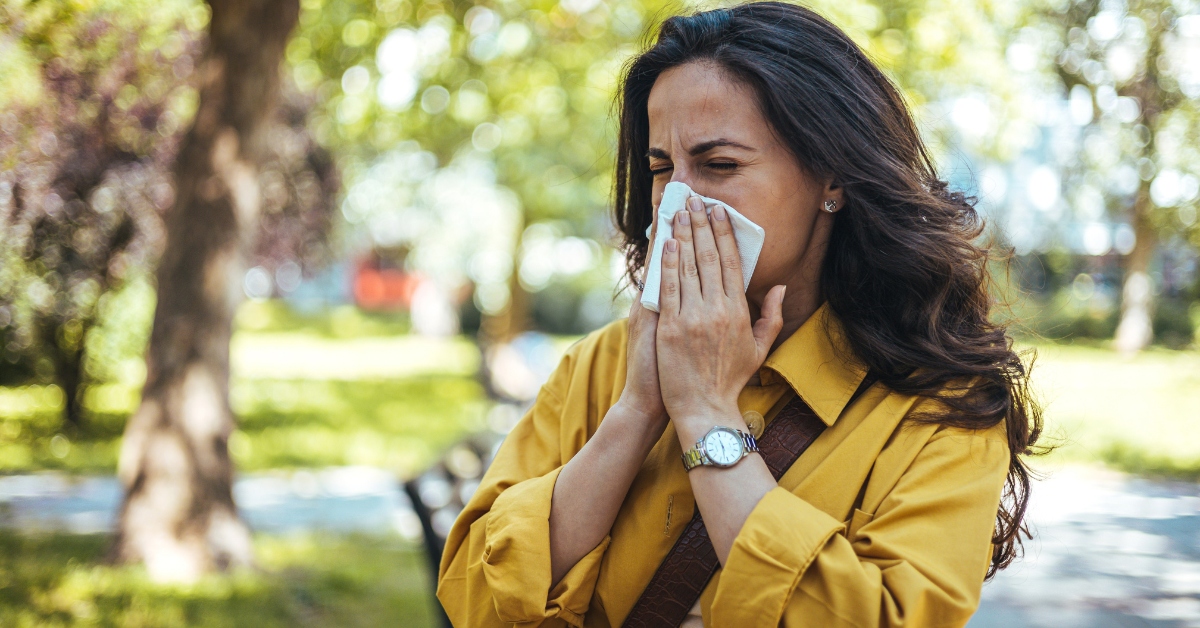
Pollen allergies from trees, plants, herbs, and grasses are called pollinoses or hay fever. The pollen allergy, also known as hay fever, allergic rhinitis, or seasonal rhinitis, is an immune reaction to proteins—though harmless—found in one or more types of pollen.
Pollen Allergy: Understanding Hay Fever and Its Symptoms
Among the biological particles that trigger allergies, pollen and mold are among the main factors behind respiratory allergies. A runny nose, itchy eyes, sneezing fits, and fatigue: pollen allergy can quickly turn spring into an obstacle course.
How to Recognize a Pollen Allergy?
It’s important to spot a possible allergy. People who are sensitive to pollen often dread spring because they know the early warning signs. But others develop an allergy later, or aren’t monitored, because they mistake their symptoms for a simple cold.
Pollen can cause conditions that look ordinary but can be severe, or even disabling:
- rhinitis, with often copious nasal discharge and nasal obstruction;
- conjunctivitis, with tearing, redness, and itching;
- chest tightness or wheezing, asthma, with reduced breathing;
- fatigue, headaches, reduced concentration or attention, often related to sleep disruption from rhinitis;
- skin manifestations with worsening of certain eczema, and more rarely swelling and hives.
Why Pollen Allergies Are Rising With Climate Change?
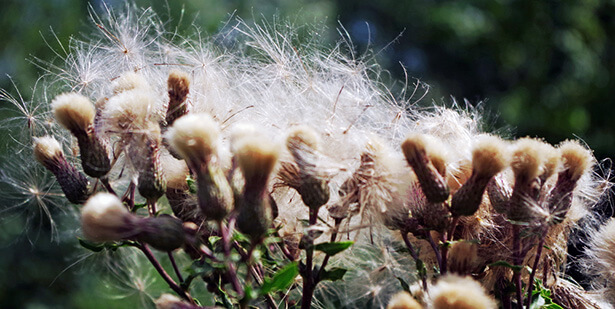
The climate change alters pollen seasons. Warmer temperatures favor earlier flowering and can lengthen the pollen exposure period. Result: allergic people may be bothered earlier in the year, and sometimes for longer.
A specialized researcher (1) attests to the influence of warming on the allergy phenomenon: “I found 2,700 pollen grains per m³, it’s a record that arrives much earlier than usual. And this happens about 15 years that plants release pollen about ten days earlier than normal. Since pollination is aided by pleasant weather, this precocity is certainly due to climate change.”
Air Pollution and Pollen: A Duo That Worsens Allergies
Even though the number of pollen allergies has risen sharply, climate alone isn’t the only culprit. Today, our indoors are very sanitized: as a result, children are sometimes less exposed to certain microorganisms, which could influence the balance of the immune system and sensitivity to allergies.
Air pollution also amplifies allergy symptoms. It irritates the airways and can weaken pollen, causing it to release more allergenic proteins. The combination of pollution spikes and pollen spikes thus creates a dangerous cocktail for sensitive individuals.
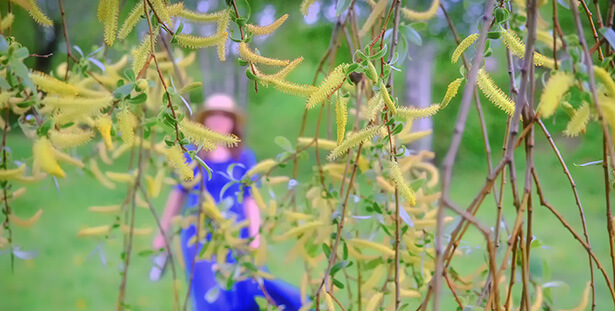
What to Do If You Have a Pollen Allergy? Daily Habits to Adopt
Pollen allergies can flare from February to September, because pollination occurs earlier or later depending on the region and plant species. To limit exposure and reduce symptoms, a few simple habits can really help.
The Anti-Pollen Protocol at Home and Outdoors
Instructions: the goal isn’t to live with windows closed all spring, but to reduce the moments when pollen can contact eyes, nose, airways, and fabrics.
- check pollen forecasts (for example, AAAAI or local health agencies): with guidance on major pollen groups and the exposure risk ranging from 0 (none) to 5 (very high);
- don’t let an allergy take hold: it could develop into asthma or worsen an existing asthma;
- check with a doctor about using an antihistamine, an appropriate nasal spray, or corticosteroids in some cases;
- wear a mask and sunglasses during pollen peaks;
- wash hands, nose, face, and eyes with plenty of water very regularly;
- wash hair after time spent in the countryside, a park, or a garden, and also at night to prevent allergens from settling on the pillow;
- keep car windows closed;
- close windows during the most exposed hours and, if needed, use an air filter or air purifier;
- clean and dust your home regularly, ideally with a damp cloth;
- avoid areas with high carbon dioxide and air pollutants, such as busy roads, parking lots, and crowded city centers;
- use an essential oil diffuser to purify indoor air: eucalyptus, lavender, bay, or tarragon essential oils.

Pollen Allergy: Mistakes to Avoid During Peak Pollen Seasons
If you know you’re allergic to grasses, trees, and herbs, there are behaviors to adopt, but also reflexes to avoid. Some everyday actions, seemingly harmless, can load your clothing, hair, or indoor spaces with allergens.
Situations to Limit When the Pollen Risk Is High
The protocol: during peak periods, it’s better to reduce unnecessary exposure, especially during mid-day and in dry, hot, and windy weather.
- Avoid mowing the lawn or strolling on freshly cut grass;
- Avoid outdoor sports or strenuous physical activity during announced pollen peaks;
- Do not air-dry clothing outdoors: it can trap allergens present in the air;
- Avoid ventilating your home early and mid-day. Prefer dawn and late evening.
How to Naturally Ease a Declared Pollen Allergy?
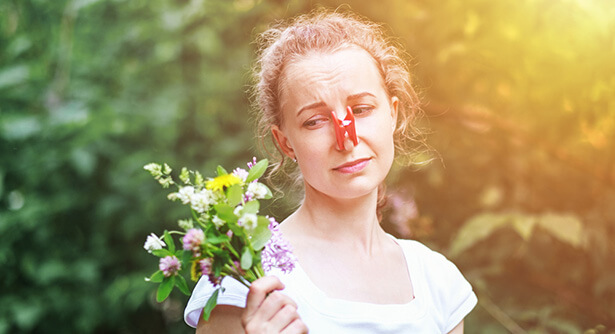
To ease symptoms of allergies, certain foods can support the body with antioxidants, vitamins, and anti-inflammatory compounds. They do not replace medical treatment when it is needed, but they can fit into a healthy lifestyle.
Foods to Emphasize During Seasonal Allergies
Baseline approach: a simple plate, rich in a variety of vegetables, with minimally processed foods and regular antioxidant sources.
- garlic and antioxidant-rich foods such as quercetin (a flavonoid pigment known for anti-inflammatory properties): onions, berries, broccoli, green beans, black tea, red wine, St. John’s wort, and unpeeled apples…
- foods rich in vitamin E: leafy greens, tree nuts, seeds…
- fermented foods: kefir, sauerkraut, kombucha…
Natural Remedies for Allergies: Precautions to Know
Natural solutions can support prevention or respiratory comfort, but they should be used with caution. Natural does not mean risk-free, especially in cases of asthma, medical treatment, pregnancy, breastfeeding, or in children.
Other Natural Ways to Prevent and Relieve
- Nigella (black cumin): often presented as a natural antihistamine, used in seed forms, infusions, inhalations, or with honey as a traditional remedy;
- the perilla oil complex, a synergy between the seed oil of the plant and the essential oil from its leaves, recognized for anti-allergic and anti-inflammatory properties. It can be found in capsule form;
- colloidal silver, a natural trace element with antimicrobial properties, whose range covers skin problems to ENT issues. To ease allergy symptoms, it is sometimes used as a spray in the nose or on irritated areas.
Bonus: Gardening and Living With Pollen Without Worsening Your Allergy
If you are allergic, you don’t have to give up gardening or outdoor activities. The key is to time your activities better, adjust your actions, and, if possible, choose plants that surround your home more thoughtfully.
Eco-Friendly Approach: Reducing Allergenic Pollen Around You
Best practice: favor diversified vegetation, avoid hedges made of a single highly allergenic species, and limit consistently short-mown lawns, which can stress biodiversity and kick up particles.
In a garden, it’s better to alternate shrubs, nectar-rich flowers, ground covers, and less-mowed areas. This diversity supports pollinating insects, reduces large expanses of tall grasses, and makes the space more resilient to drought. For very sensitive individuals, it’s also advisable to garden after a light rain, wearing eye protection, a mask, and washing your hair in the evening.
Article updated
- Lætitia Davranche, research officer at the Association for the Prevention of Air Pollution (APPA) cited by La Voix du Nord