
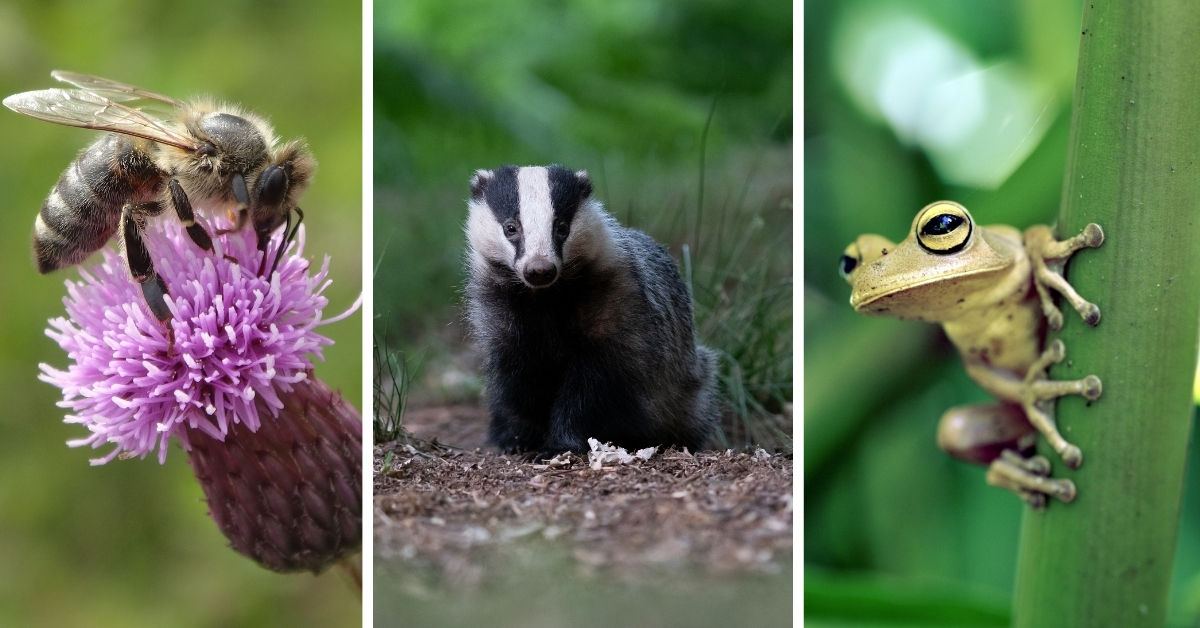
The collapse of biodiversity is now a widely documented phenomenon, even though its ecological, economic, and social consequences remain challenging to fully grasp. One thing is certain: it is well past time to act to halt this decline and reverse the trend! To better understand and know the wildlife and flora that surround us is to empower ourselves to protect them effectively. This approach applies to all species, including ordinary biodiversity… Because we should not wait until it is threatened with extinction to begin protecting it.
What is Ordinary Biodiversity?
The concept of “ordinary biodiversity” (or nearby nature) carries a degree of relativity: what is common for one person is not necessarily so for another. Nevertheless, ecologists generally define it in opposition to the “remarkable biodiversity”. The latter includes rare, endemic, or threatened plants and animals that justify the creation of nature reserves, national parks, or Natura 2000 protection zones.
By contrast, ordinary biodiversity represents the multitude of everyday life forms that actively contribute to the proper functioning of ecosystems in the broad sense. It encompasses species that share our living spaces, now and in the future, and that maintain nature’s resilience through their capacity to adapt and evolve.
From a strictly naturalist standpoint, there is nothing “ordinary” in living things, as life proves astonishing once you take the time to observe it up close. Each species is the result of millions of years of evolution and a multitude of challenges overcome to survive. A unique form of life thus unfolds right before our eyes.
The Urgency: Why the Decline of Common Species Threatens Us
Ordinary biodiversity — that of wild plants, pollinating insects, birds of our countryside and soil microorganisms — plays an indispensable role in maintaining ecological balance. It provides vital ecosystem services: climate regulation, natural water purification, soil fertility for agricultural lands, and a biological barrier against crop pests.
Its preservation is therefore crucial for our food security. The loss of this nearby nature weakens the entire trophic chain, increasing the risk of major dysfunctions and domino effects with unpredictable consequences. Recent scientific studies conducted by the CNRS and the National Museum of Natural History (MNHN) sound the alarm: bird populations in agricultural environments have declined by nearly 30% in 30 years in France. This silent decline signals a broad degradation of our environment.
Furthermore, this everyday nature remains an invaluable source of medical molecules and potential scientific discoveries. Protecting this biodiversity also safeguards our cultural heritage and our intrinsic connection with the living world, whose benefits for mental health and human well-being are widely demonstrated.
Ordinary Biodiversity: A Cultural and Local Perspective
When it comes to nature, the notion of “ordinary” varies from one person to another. This perception depends on our level of knowledge of wildlife, but it mainly stems from the diversity of our landscapes.
Some of us regularly encounter salamanders along a damp path, while others accompany crabs or seabirds daily along the coast. A city dweller or a rural resident will recall the lumbering gait of a badger spotted at dawn on the roadside shoulder, while another will wake to the song of the turtle dove.
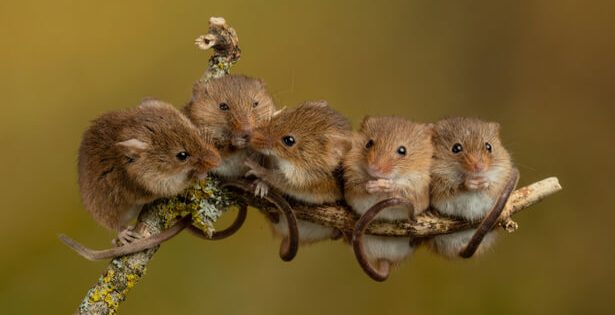
The examples are plentiful: these animals that are familiar to some may seem almost exotic to others. This is the richness of nearby wildlife.
Better Knowledge to Protect Better: The Role of Citizen Science
This everyday nature is, however, the one we talk about the least, eclipsed by the absolute urgency surrounding species that are critically endangered. While National Action Plans (NAPs) and programs to safeguard remarkable wildlife are essential, it is likewise urgent to anticipate and act at a large scale before ordinary species cross the non-return threshold.
Yet the task is enormous. Without precise data on population status, it is impossible to forecast upcoming threats. Where are the species distributed across the country? What direct pressures do they face? What are their behaviors, reproduction patterns, or feeding habits?
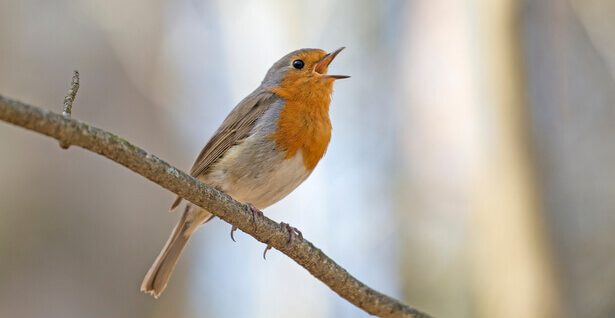
Fewer systematic studies mean many questions remain unanswered. Because they sit right in front of our eyes, we often assume these animals are well known and documented by others. This is where each of us can step in by becoming the ambassador for this nearby wildlife. Through citizen-science programs (such as Nature Watch or local wildlife inventories), daily garden observations contribute directly to research and the safeguarding of species.
In our new series of features, “Protecting Our Ordinary Biodiversity”, we offer concrete avenues to observe, understand, and help the wildlife that populate our countryside, forests, shores, and mountains. We’ll take a closer look at the polecat, the beaver, the badger, the ermine, or the green tree frog. All are common yet fascinating species that deserve protection today.
FAQ: Frequently Asked Questions About Ordinary Biodiversity
What are examples of ordinary biodiversity in France?
Here you’ll find very common species such as the European robin, the European hedgehog, the earthworm, the honey bee, the dandelion, the wall lizard, and the red fox.
What is the difference between ordinary biodiversity and remarkable biodiversity?
Remarkable biodiversity refers to rare, threatened, or protected species (such as the wolf or the golden eagle). Ordinary biodiversity includes common species, not protected by law, but essential to the overall fabric of life.
How can you help ordinary biodiversity in your garden?
A few simple steps are enough: ban pesticides, install birdhouses or insect hotels, leave a patch of unmowed lawn (wild meadow) and create a small water feature for wildlife.