
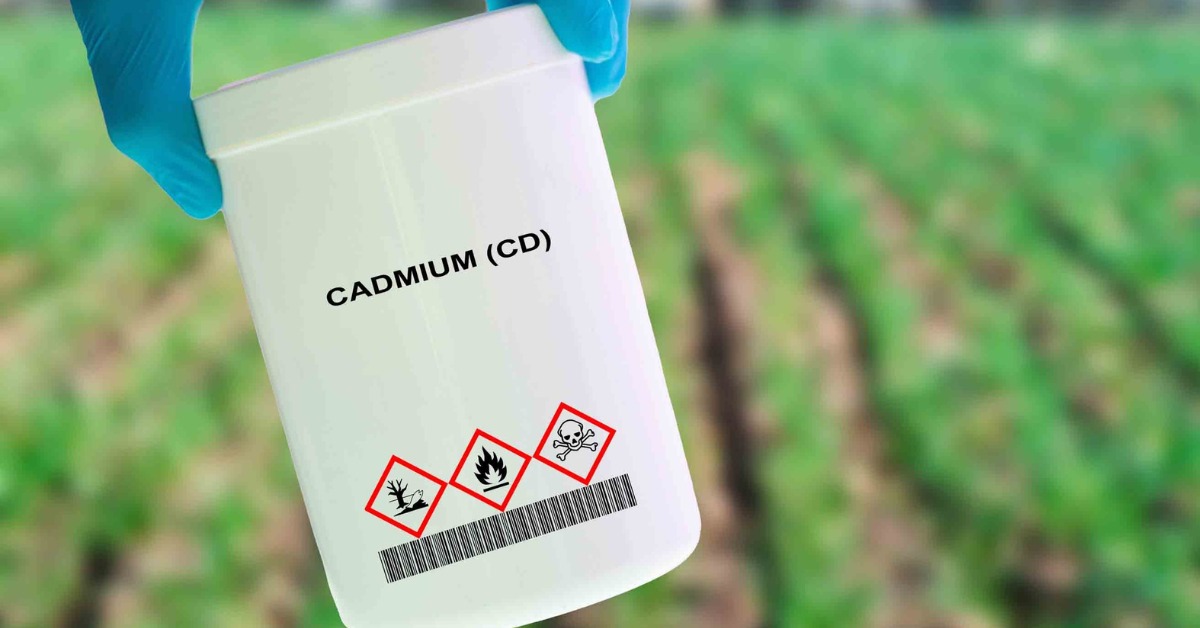
On Wednesday, June 3, 2026, the National Assembly passed an ecologist bill aimed at accelerating the reduction of cadmium in phosphate fertilizers. The goal: better protect the health of the French population from this heavy metal that contaminates soils, crops, and, ultimately, what ends up on our plates.
Cadmium steps into a major public health debate. Present in certain phosphate fertilizers, this heavy metal can accumulate in agricultural soils and then show up in commonly consumed foods such as cereals, bread, pasta, rice, and potatoes. Chronic exposure is concerning because cadmium is associated with risks to the kidneys, bones, and cancerous effects.
What you need to know
- Members of parliament adopted a measure to curb cadmium in phosphate fertilizers more quickly.
- The threshold would drop to 40 mg/kg of P₂O₅ by 2027, then to 20 mg/kg by 2030.
- The government had planned to reach this threshold later, before 2038.
- Cadmium can contaminate soils, crops, and everyday foods.
A lower threshold by 2030 instead of 2038
The bill championed by ecologist deputy Benoît Biteau would cap cadmium in phosphate fertilizers at 40 mg/kg of P₂O₅ starting in 2027, then at 20 mg/kg from 2030. This is markedly faster than the path proposed by the government, which planned to reach 20 mg/kg only before 2038, and under certain conditions.
Today, France still permits up to 90 mg/kg of P₂O₅ in these fertilizers, a level advocates of the text deem too high. The Anses agency recommends aiming for 20 mg/kg to limit cadmium inputs into agricultural soils and, in the long term, reduce population exposure through food.
Cadmium: screening reimbursed starting June 16
As of June 16, 2026, screening for cadmium exposure in city laboratories will be reimbursed by Health Insurance for at-risk individuals. This coverage will apply notably to people potentially overexposed due to their place of residence when the soil has been declared polluted with cadmium by competent authorities, as well as patients already monitored for chronic cadmium intoxication.
The primary test is cadmiuria, i.e., measuring cadmium in urine, prescribed by a doctor. If the result is elevated, a blood cadmium test can be performed as a complementary measure and will also be covered. According to the text published in the Journal officiel, reimbursement will be provided at 60% by Health Insurance, with the remainder potentially covered by the beneficiary’s private insurer.
Contamination Starts in the Soil
The issue goes far beyond agriculture. Reducing cadmium in fertilizers means acting at the source, before this pollutant becomes a long-term fixture in cultivated land. Once present in soils, cadmium can persist for a long time and gradually enter the food chain.
For supporters of the bill, the urgency is health: this is not just about adjusting a technical standard, but about reducing Americans’ daily exposure to an invisible contaminant. The Assembly’s vote marks an important milestone, even if the bill’s journey through Parliament is far from over.