
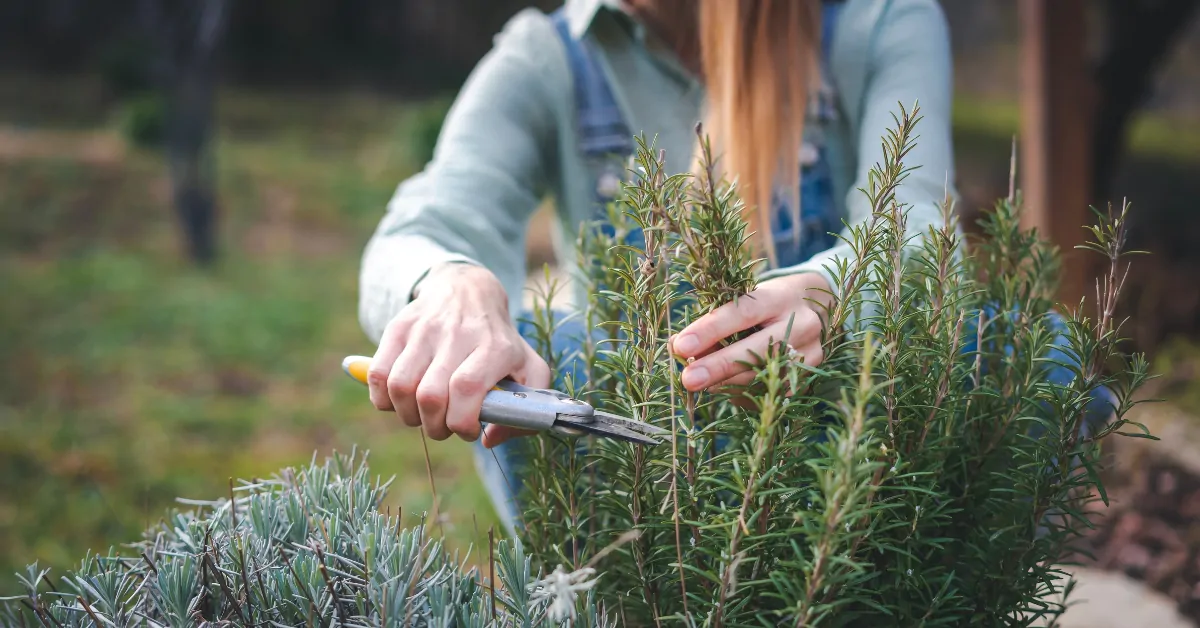
The quintessential Mediterranean herb, rosemary loves sun, well-drained soil, and gardeners who don’t overwater. In the garden or in pots, a few smart moves are enough to get a dense, fragrant, and generously productive rosemary year-round. Found in many yards, on patios, and even on window sills, rosemary, today botanically named Salvia rosmarinus, remains one of the easiest herbs to adopt. Provided you respect its temperament: it loves heat, tolerates dry conditions once established, but hates having its roots waterlogged. Here’s how to give it the right conditions to stay attractive, green, and full.
Rosemary in the Garden: Sun, Drainage, and Light Watering
Rosemary is undoubtedly one of the most beloved culinary herbs. It flavors roasted vegetables, potatoes, grilled meats, marinades, homemade bread, and even certain desserts with apricots or citrus. It’s also a good source of habitat for pollinators, drawing visits from bees when its pale blue to lavender flowers appear.
To grow well, rosemary needs a very sunny exposure. Ideally plant it in full sun, in a warm spot sheltered from cold winds. In the ground, it prefers light soils—sandy, gritty, rocky, or loamy—always well-drained. Soil that is too clayey, compact, or wet in winter can cause the roots to rot.
Like lavender, which it resembles, rosemary comes from regions where the soils are often poor and dry. Therefore, there’s little reason to feed it like a tomato plant! A bit of well‑mature compost in the spring is usually plenty, especially if the plant is grown in a pot.
Rosemary Yellowing: Most Often a Water Issue
A rosemary that yellows isn’t necessarily dying, but it is sending a signal. More often than not, the problem is too much water or a soil that’s too heavy. This Mediterranean plant prefers to be slightly underwater than to sit in consistently moist soil.
Between waterings, let the soil surface dry out. In the ground, a well-established rosemary needs little water, except during prolonged drought or after planting. In a pot, you’ll need to be a bit more attentive, since the root ball dries out faster. But the rule still stands: better to water less often but more deeply than to give small amounts every day.
The right reflex: touch the soil before watering. If it’s still cool or damp a few centimeters down, wait. If it’s dry, water at the base, without soaking the saucer.
Yellow leaves can also signal a lack of light, a pot that’s too small, or a plant weakened by cold. Before adding fertilizer, first check exposure, drainage, and watering frequency. In many cases, easing watering is enough to revive the plant.
Rosemary in a Pot: The Right Container Makes All the Difference
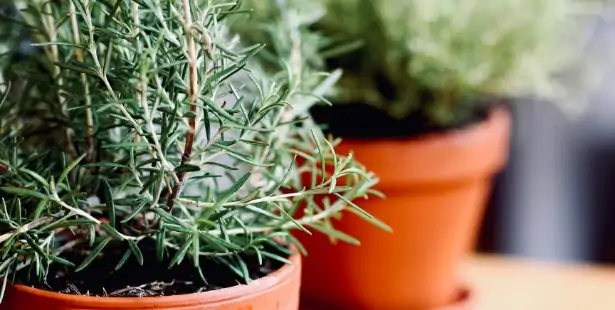
If you don’t have a garden, rosemary grows very well in a pot, provided you give it an appropriate container. Choose a fairly wide pot with drainage at the bottom, and a drainage layer if needed. Unglazed terracotta is ideal, because it breathes better and helps prevent excessive moisture around the root ball.
The substrate should be light. You can mix potting soil with a little coarse sand or small gravel to improve water runoff. Avoid overly rich, compact potting mixes, which hold moisture too long.
On a balcony, place rosemary in the brightest spot possible. A south or southwest exposure works very well, provided you monitor young plants during hot spells. If the leaves brown abruptly after moving, the plant may have experienced stress from direct sun or from a bout of underwatering.
Rosemary Losing Its Foliage: What to Do?
A rosemary that thins out may be missing light, getting too much water, dealing with cold humidity, or simply becoming pot-bound. Start by checking the soil: if it stays wet long after watering, drainage is likely insufficient. In that case, repot the plant into a lighter substrate and remove any standing water from the saucer.
If the plant grows with long, spindly stems and few leaves, it often needs more sun or hasn’t been pruned in a long time. Rosemary benefits from light pruning after flowering to maintain a compact shape. Be careful not to cut too hard into old wood, as it tends to resprout less vigorously than other herbs.
To densify it, regularly take small, tender shoots, always above a leaf node. This light harvest stimulates branching and yields a bushier rosemary while giving you fresh sprigs for cooking.

Should You Protect Rosemary in Winter?
Rosemary can tolerate light frosts depending on the variety, the plant’s age, and the growing conditions. But it fears the combination of cold and damp. In the ground, plant it in well-drained soil, ideally against a sunny wall or in a slightly raised bed. A mineral mulch can help minimize dampness around the base.
In a pot, the root ball is more exposed to cold. If a cold snap is forecast, move the pot closer to a wall, shield it from the wind, and avoid leaving standing water in the saucer. In the coldest regions, bringing rosemary indoors to a cool, bright, non-heated area such as a frost-free veranda or a cold greenhouse can be helpful. A room that’s too warm and too dark, on the other hand, can weaken it.
When and How to Prune Rosemary?
Pruning rosemary is best done after flowering or in spring, once the harshest cold has passed. The aim isn’t to cut it back harshly, but to keep it compact. Snip the ends of young shoots, remove dried stems, and lightly aerate the center if the plant becomes too dense.
Regular, light pruning helps prevent bare, long branches. It also makes harvesting easier. In cooking, it’s better to cut entire sprigs rather than plucking leaves one by one from the plant—the cut will be cleaner and regrowth more harmonious.
Propagating Rosemary: Easy Cuttings
Rosemary is quite easy to propagate, which is handy for refreshing an older plant or giving cuttings to friends. Take a young, non-flowering stem about 4 inches (10 cm) long, remove the leaves from the lower part, and plant it in a small pot filled with a light mixture. Keep the substrate barely moist, out of direct intense sun.
After a few weeks, if the stem resists slightly when you tug gently, that’s usually a sign that roots are beginning to form. You can then transplant the young rosemary into a larger pot or into the garden once it’s strong enough.
Homemade Recipe: Rosemary-Scented Salt
To use small rosemary sprigs, make a homemade flavored salt. It’s simple, economical, and perfect for boosting roasted vegetables, potatoes, focaccia, or marinades.
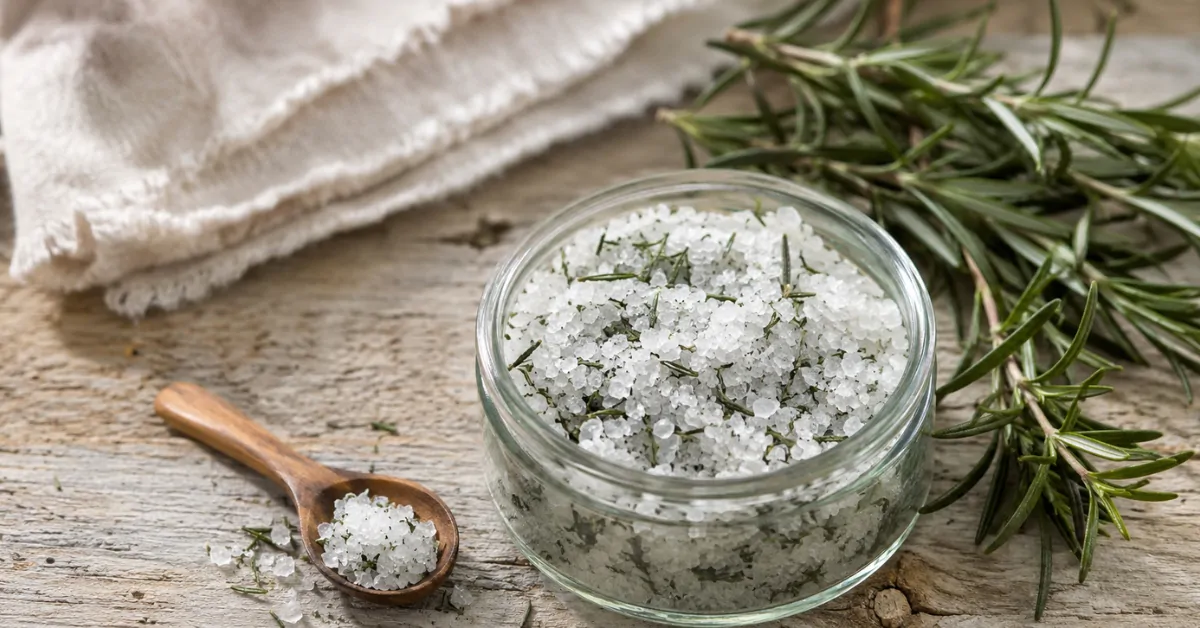
For a small jar: mix 100 g of coarse grey salt or sea salt with two sturdy sprigs of rosemary, dried well. Finely chop the leaves and blend them into the salt, then let the mixture air-dry for a day on a plate. Transfer to a clean, dry jar. The aroma will intensify with time.
You can also add a little organic lemon zest, dried, for a fresher version. In that case, make sure the zest is completely dry before sealing the jar to prevent moisture.
Harvesting and Storing Rosemary Without Damaging It
Rosemary can be harvested year-round, but its young shoots are especially fragrant in spring and summer. Cut small, clean sprigs with pruning shears, preferably in the morning after dew has dried. To store, hang the sprigs in small bunches in a dry, airy place away from direct light.
Once the leaves are well dry, strip them off and store them in an airtight jar. Dried rosemary is more potent than fresh; use it sparingly, especially in slow-cooked dishes.
Key takeaways
- Rosemary loves full sun, light soils, and impeccable drainage.
- Yellowing foliage often signals too much water or too little light.
- In pots, opt for terracotta, a drainage hole, and a light substrate.
- Prune lightly after flowering to keep the plant dense.
- In winter, protect rosemary from cold, damp conditions.
With a bit of sun, little water, and gentle pruning, your rosemary will stay beautiful, fragrant, and plentiful. In short, don’t pamper it too much: it’s often when you let it live like a true Mediterranean plant that it thrives best.