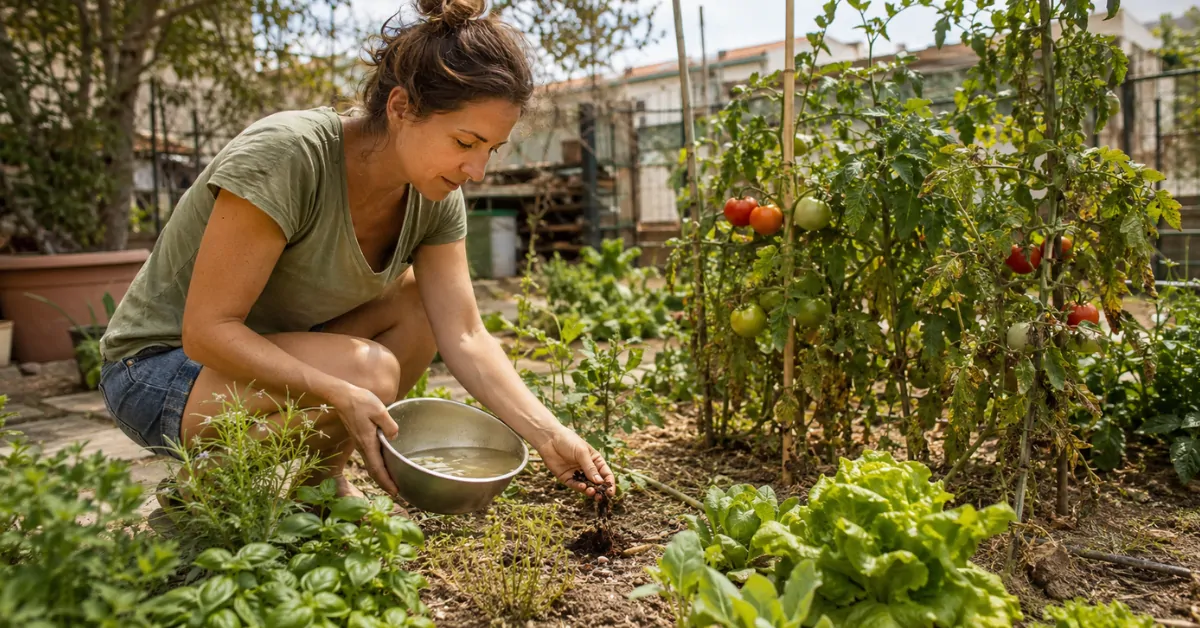
Early springs, scorching summers, water restrictions, fungal diseases, and an invasion of small pests: the vegetable garden now demands more attention than ever. In 2026, the verdict is clear. According to Météo-France, spring 2026 was the hottest ever recorded in France.
In this context, gardeners must contend with dry soils, stressed plants, and opportunistic insects. Yet, there’s no need to rush to costly chemical treatments. Several solutions already exist in the kitchen, in the compost, or along the paths.
Coffee grounds, wild-plant ferments, and unsalted cooking water can help protect the vegetable garden. When used correctly, in moderation, and always as a supplement to good gardening practices.
What to remember
- The dried coffee grounds can repel certain pests, but must stay in a thin layer.
- The nettle ferment fortifies plants, while elderberry helps deter several pests.
- The unsalted cooking water recycles a useful resource during drought.
- No natural remedy replaces the need for garden observation, mulching, and measured watering.
A Vegetable Garden More Vulnerable to Heat and Water Shortages
When temperatures soar too early, plants grow quickly but also tire out faster. Leafy vegetables bolt to seed, tomatoes suffer, and young seedlings become more fragile.
Drought intensifies this stress. Dry soil supports less active microbial life. It compacts, cracks, and retains less water. As a result, roots struggle to absorb nutrients.
Meanwhile, gnats, aphids, whiteflies, slugs, and diseases such as powdery mildew or late blight take advantage of these imbalances. A weakened garden becomes an easier target.
Before taking action, however, a reflex is essential: check local water-use rules. Restrictions vary by county and alert levels.
1. Coffee Grounds: A Zero-Waste Repellent Against Fungus Gnats and Slugs
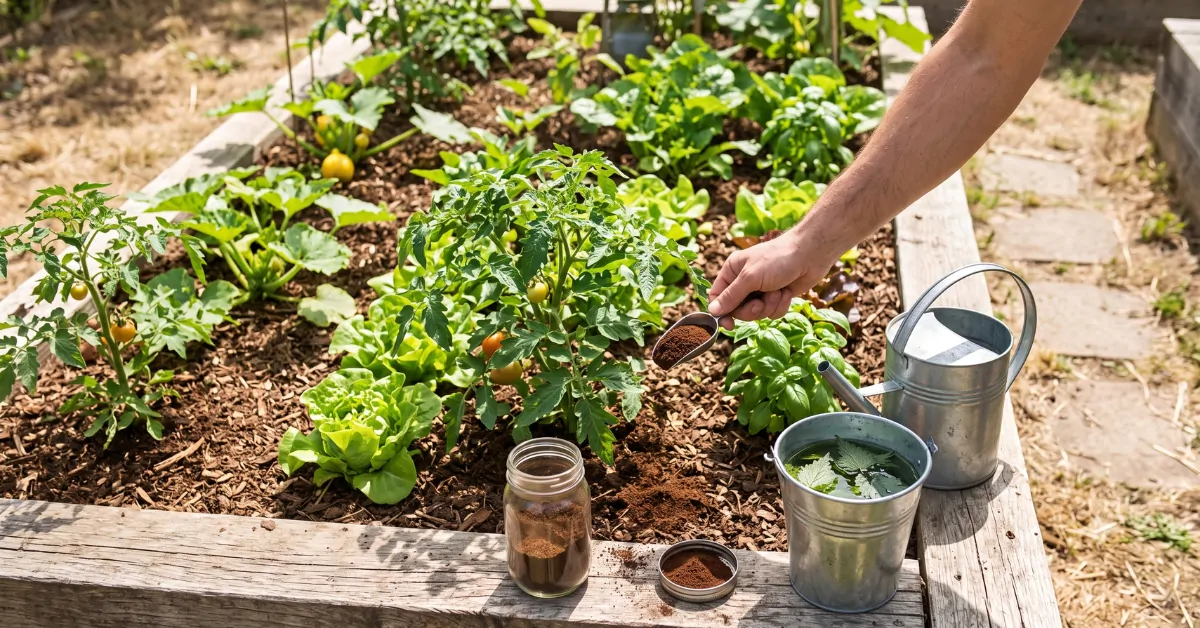
Don’t automatically discard your morning coffee residue. When used properly, coffee grounds in the garden can become a small ally for your garden.
Its value comes mainly from its texture and scent. Once dried, it forms a fine, slightly abrasive material. Some crawling pests, like slugs and snails, dislike this contact.
Coffee grounds also contain small amounts of nitrogen, phosphorus, and potassium. They don’t replace real compost, but they can modestly enrich the soil.
How to use coffee grounds in the garden?
- Against soil gnats: let the surface of the soil dry, then lightly sprinkle the dry grounds.
- Around young shoots: form a thin ring around lettuce, zucchini, or basil.
- In the compost: add in small amounts with dry matter, such as fallen leaves or brown cardboard.
- For hungry plants: mix a small handful into the soil, never in a compact layer.
What to avoid: laying down a thick layer of damp coffee grounds. It can mold and form a crust, hindering water penetration and worsening water stress.
The right amount? A light pinch around the base, then refreshing after rain or watering. It’s better to use a little, but regularly.
2. Nettles and Elderberry: Two Wild Plants to Strengthen the Garden
Wild plants aren’t always “weeds.” Some are valuable allies for a natural garden.
Nettle is known for its richness in nitrogen, minerals, and trace elements. It helps plants restart after heat stress or aphid attacks.
Black elderberry, on the other hand, carries a strong aroma. Its leaves macerated are used by many gardeners as a natural repellent against certain insects and small rodents.
These preparations aren’t miracle cures. They mainly work as prevention or at the early sign of an imbalance. If a disease is already well established, you should also remove any affected leaves.
Practical guide: nettle and elderberry extracts
| Wild Plant | Main Action | Preparation | Usage |
|---|---|---|---|
| Nettle | Fortifying & Aphid Repellent | 1 kg fresh leaves for 10 L rainwater. Let ferment for 1–2 weeks, stirring daily. | Filter, then dilute to 10% in water to water the base of heavy-feeding vegetables (tomatoes, squash). |
| Elderberry | Anti-midge, Anti-blight & Rodent Repellent | 1 kg fresh leaves for 10 L rainwater. Let macerate a few days until bubbles disappear. | Filter. Use undiluted as a spray on foliage to repel gnats or prevent disease. |
Important: never spray these preparations in bright sun. The leaves could burn. Also avoid flowering plants visited by pollinators.
To prepare an effective nettle ferment, use a non-metallic container. Cover loosely to let gases escape, without sealing.
Once filtered, the ferment keeps for a few weeks in an opaque container, away from heat. Be sure to label it clearly.
3. Unsalted Cooking Water: A Simple Step to Reduce Waste
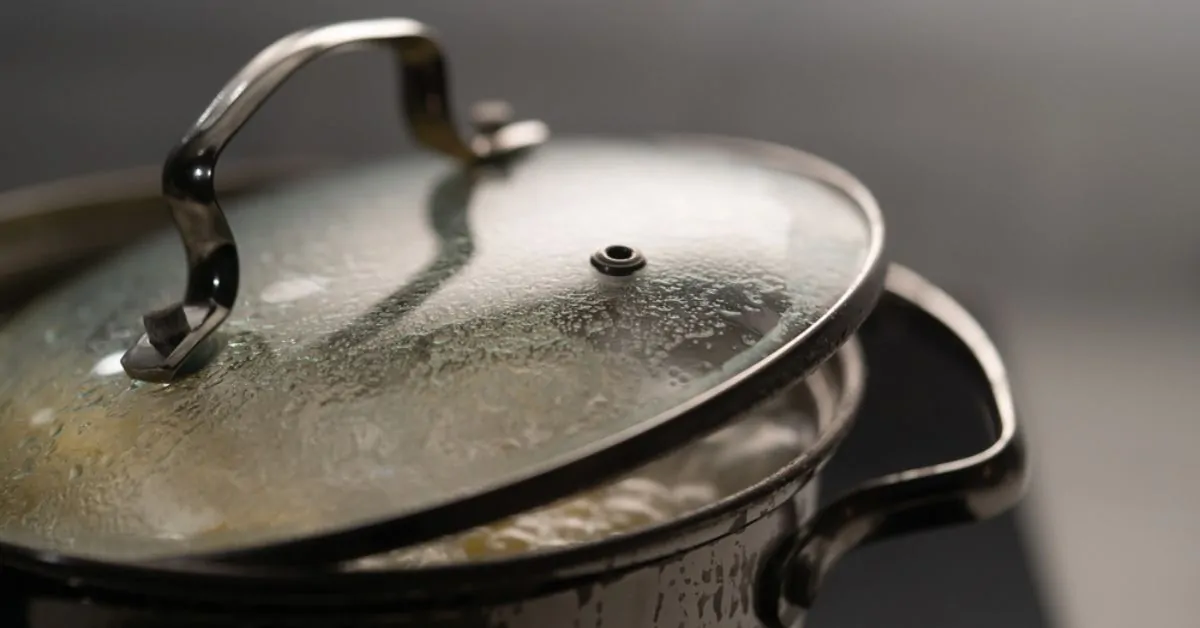
During drought, every liter of water deserves a second life. Unsalted cooking water can go to the garden instead of the sink.
Vegetable cooking water contains minerals released during cooking. Water from potatoes, rice, or pasta also contains starch.
This recycling remains simple, free, and sensible. It reduces waste while giving a small boost to the soil. But again, a few rules are essential.
Which cooking water to use in the garden?
- Vegetable water: ideal for watering tomatoes, zucchini, lettuce, or herbs.
- Potato water: useful occasionally, once cooled and unsalted.
- Water from rice or pasta: use sparingly, as it is richer in starch.
- Rinse water from vegetables: perfect for potted plants, containers, or young plants.
The golden rule: water must be cold and completely unsalted. Salt harms soil life, burns roots, and can kill vegetables.
Avoid water that is too greasy, too spicy, or containing sauce remnants. The garden is not a trash can. It needs clean water and simple ingredients.
During restrictions, this practice does not replace adhering to local orders. Water early in the morning or late in the evening, when permitted.
The Extra Smart Move: Mulching to Retain Moisture
These three natural remedies will be more effective if the soil stays covered. Bare soil heats up quickly, dries out quickly, and compacts more easily.
Mulching reduces evaporation, protects microorganisms, and cuts watering needs. It also slows down some unwanted weeds.
You can use what you already have on hand:
- Dry lawn clippings;
- Fallen leaves;
- Straw;
- Chopped twigs;
- Brown cardboard without colored ink;
- Compost applied in a thin layer.
However, be careful with fresh clippings. When applied in a thick layer, they ferment and heat up. Spread them first to dry out.
Three Free Remedies, but No Miracle Without Observation
Coffee grounds, plant ferments, and cooking water are good zero-waste reflexes. They help turn leftovers into useful resources.
But the garden remains a living ecosystem. Before treating, observe. Soft leaves often indicate a water shortage. Spotted leaves may signal a disease. Fungus gnats in a pot can signal excess moisture.
The real secret is to combine several simple actions: mulching, watering at the right moment, aerating the plantings, feeding the soil, and acting early.
In the face of drier summers, natural gardening becomes a resilience strategy. Fewer purchases, less waste, less chemistry: your vegetable garden can gain self-reliance, one step at a time.