
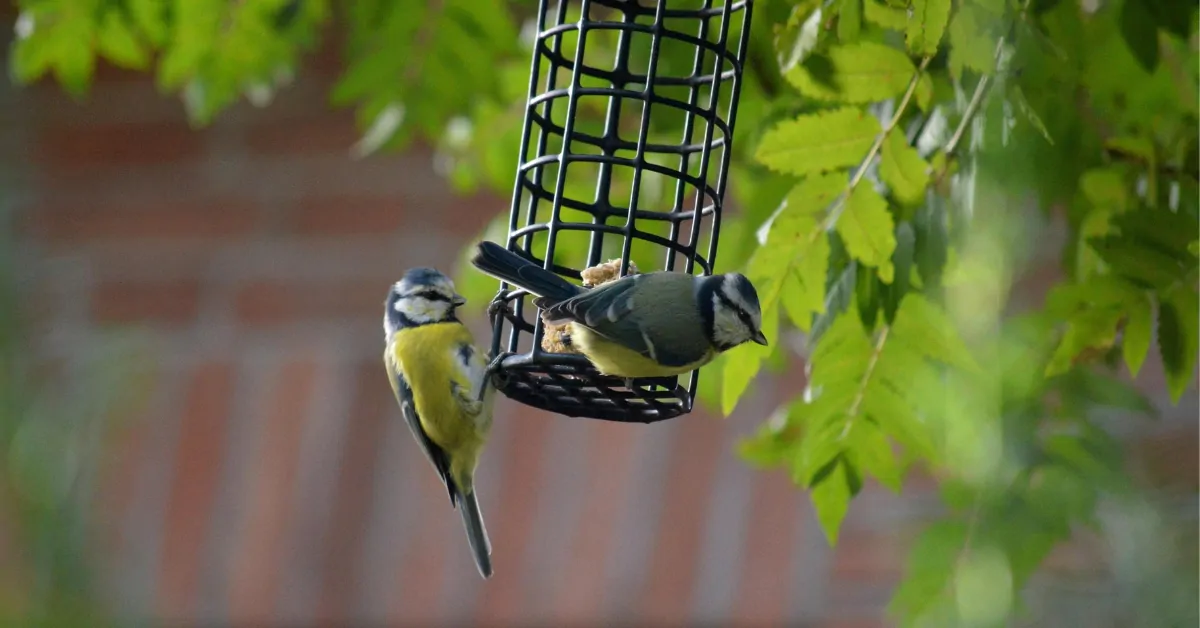
Do you have chickadees and titmice in your area? That’s wonderful news. For your yard and for you, their presence is often a sign of a living space rich in insects, shelter, and natural resources.
- The chickadee is an excellent indicator of biodiversity: it frequents gardens where it can find food, water and hiding places.
- It helps naturally regulate certain pests, notably caterpillars, aphids, larvae and small spiders.
- Feeding should remain a winter habit: outside cold periods, it’s better to rely on hedges, natural seeds and water sources.
- An inviting garden for chickadees is also better for all wildlife: pollinators, hedgehogs, earthworms and other birds.
The Chickadee, a Familiar Bird in Our Yards
It’s one of the most endearing birds across Europe. Lively, curious, and often resident, the chickadee likes territories where it can find food, nest, and hide.
In European gardens, you’ll typically see the great tit and the blue tit. Depending on the region, you may also encounter the black tit, crested tit, nuthatch, or boreal tit. They don’t all share the same habits, but they have one thing in common: they enjoy varied, less-artificial environments.
If you see them regularly in your yard, that’s a good sign. It means your space still offers natural resources: seeds, fruits, berries, larvae, small insects, spiders, or nest cavities.
Why Seeing Chickadees Is Good News for the Garden
Chickadees aren’t just pretty to look at. They’re among those quiet helpers that contribute to the garden’s balance.
In spring, they mainly hunt for protein-rich prey to feed their chicks. Caterpillars, aphids, larvae, small beetles, spiders: their menu changes with the season and the resources available.
As a result, their presence can naturally limit certain pests without spraying or harsh treatments. It’s a valuable aid for fruit trees, hedges, roses, and the vegetable patch.
However, be careful not to treat the chickadee as a “miracle solution.” It doesn’t replace a well-thought-out garden. It tends to settle where the environment already suits it.
A Living Garden Attracts Chickadees
To attract chickadees, you must first feed the entire ecosystem. In other words, embrace a little wildlife.
- Plant a varied hedge with native shrubs.
- Leave some leaf litter beneath the hedges.
- Avoid pesticides, even in occasional treatments.
- Keep some areas a bit less mowed.
- Install a clean, shallow, safe water source.
These actions benefit chickadees, but also pollinating insects, hedgehogs, earthworms, and other garden birds.
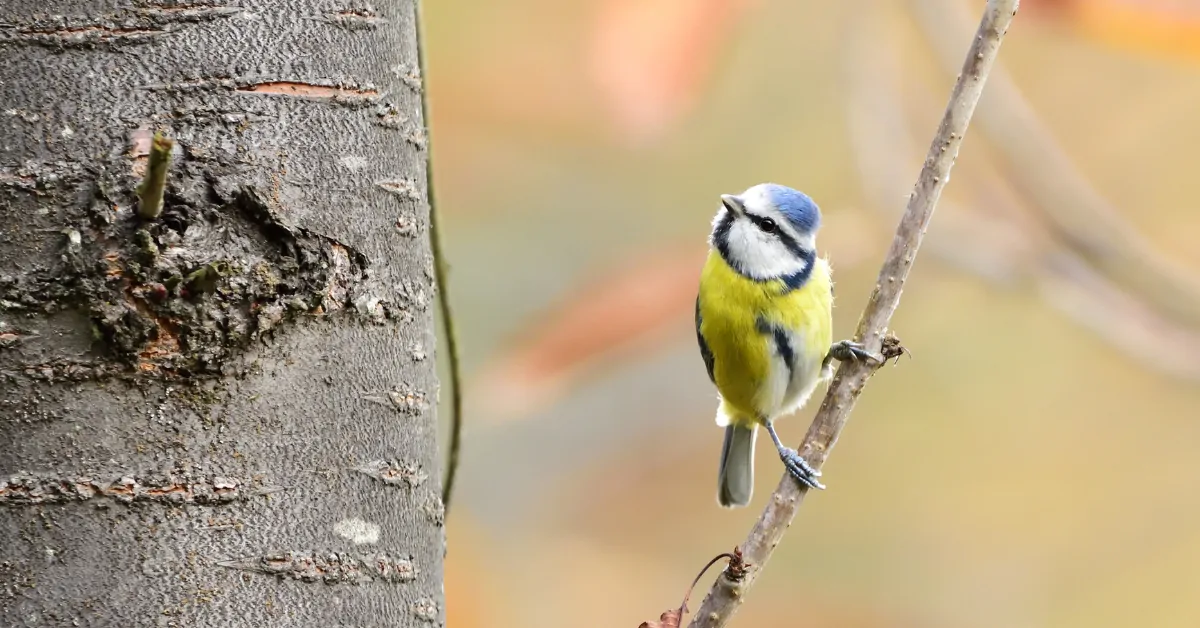
The Chickadee, a Symbol of Lightness and Good News
Beyond its ecological role, the chickadee also carries symbolic meaning. In popular imagination, it often evokes joy, liveliness, and positive energy.
People sometimes say it heralds good news. Its light silhouette, bright song, and quick, back-and-forth movements convey a sense of movement and renewal.
Of course, this reading is symbolic. Yet it says something true: watching a chickadee forces us to slow down. It invites us to notice what lives around us.
In a daily life often saturated with screens and anxiety-inducing information, this small presence can feel soothing. It reminds us that ordinary nature is nearby, sometimes just a few feet from the window.
How to Care for Chickadees Without Making Them Distant or Dependent
Wanting to help chickadees is a great idea. It’s just important to do it at the right time and in the right way.
The most important rule concerns feeding. It should remain limited to the harsh season, especially during prolonged cold spells. In spring and summer, the birds should rely on natural resources.
During the breeding season, the young mainly need insects and larvae. A feeder that is too generous can alter behaviors, attract diseases, or promote artificial gatherings.
Good Winter Practices
When cold weather sets in, you can offer occasional help. Choose simple, unsalted, unprocessed foods.
- Unsalted sunflower seeds.
- Raw, unsalted peanuts, not roasted.
- Small pieces of apple or pear.
- Seed mixes formulated for backyard birds.
However, avoid bread, milk, salty leftovers, and sugary foods. Also avoid suet balls sold in plastic netting, which can injure their feet.
A Simple Homemade Feeder
For a thrifted version, drill two small holes in a shallow clay dish. Thread through a sturdy string, then hang it from a sturdy branch.
Fill it with a few unsalted sunflower seeds in winter only. Clean it regularly with hot water to limit the risk of disease transmission.
Another easy option: cut an apple in half and spear it on a branch. Chickadees may peck at it, especially on cold days.
Installing a Nest Box: Yes, but Not Just Any One
A nesting box can help chickadees if natural cavities are lacking. It must, however, be well placed and suited.
Choose a plain, untreated wooden model, with an entrance hole sized for small species. Place it out of the reach of prevailing winds, away from cats, and far from areas with heavy foot traffic.
Avoid opening it during nesting. Once the youngsters have fledged, an annual cleaning can be helpful. It limits parasites and prepares the nest box for the next season.
A Presence to Protect, Especially with Climate Change
Like many common birds, chickadees are feeling the rapid transformations of their environment. Hedgerows are disappearing, insects are thinning, and heat events disrupt natural cycles.
The problem is particularly visible in spring. The fledglings need an abundance of insects at the right moment. If caterpillar peaks arrive too early or too late, feeding becomes much more difficult.
That’s why a garden that truly welcomes them isn’t just about a feeder. It should offer shade, water, native plants, shelter, and real plant diversity.
In short, the more your garden resembles a small natural refuge, the more likely chickadees will settle there long term.
Morality: If a Chickadee Moves In, Tend Your Garden
The chickadee is a small bird, but it tells a lot. Its presence often signals a more balanced, less sterile, and more life-friendly garden.
So, if you spot one nearby, take it as an invitation. Make space for hedges, leaves, insects, and wild corners.
You’ll enjoy its song, its beauty, and its energy. And, in the process, you’ll give a real boost to ordinary biodiversity.