
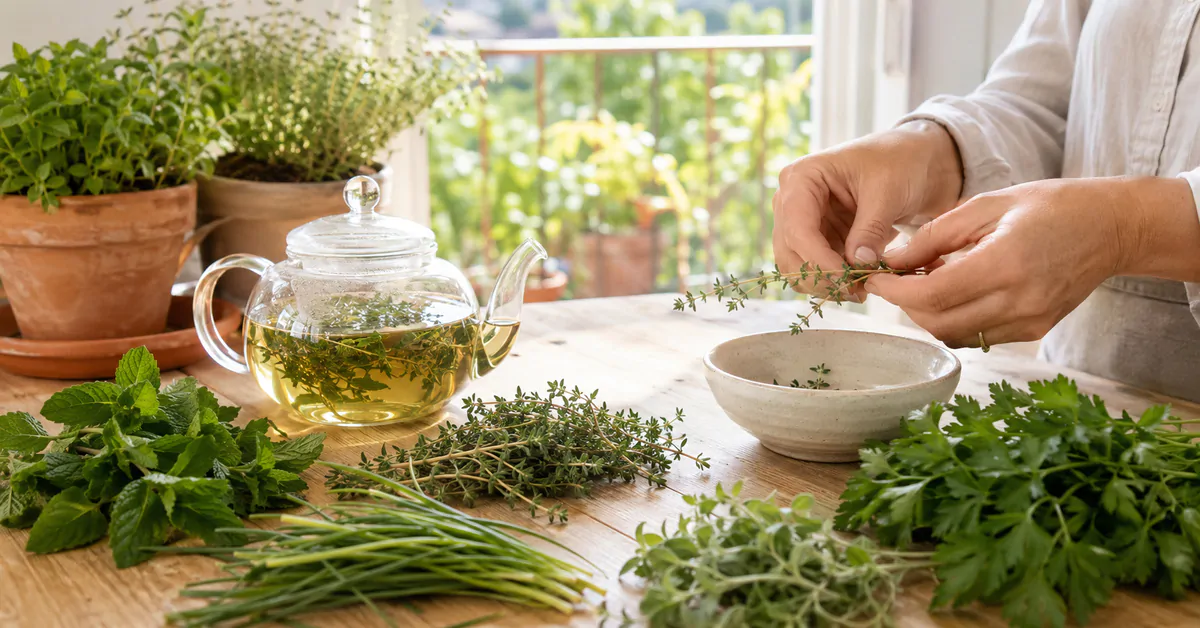
Fresh herbs don’t just perfume salads and summer dishes. Chives, mint, parsley, thyme, or oregano bring micronutrients and let you cook with less salt. Some are also traditionally used in infusions to support digestive or respiratory comfort.
Easy to grow in a garden or on a balcony, these plants offer far more than a pretty splash of green. Discover their culinary uses, their health benefits, and the precautions to know.
What to remember
- Fresh aromatic herbs let you brighten dishes without adding more salt or heavy sauces.
- Parsley and chives, when eaten fresh, contribute vitamins.
- Mint and thyme are traditionally used for digestive or respiratory comfort.
- Herbal infusions should never replace medical treatment.
Aromatic herbs: flavor powerhouses to grow at home
Chives, marjoram, thyme, oregano, mint, or parsley are relatively easy to grow. A few well-exposed pots can be enough to harvest fresh leaves for several months.
Their main asset remains culinary. With their strong flavors, these herbs allow you to season dishes with less salt. They also give character to the simplest recipes: raw vegetables, roasted vegetables, soups, sauces, eggs, or legumes.
To fully enjoy their aroma, add fragile herbs, like chives or parsley, at the end of cooking. Thyme, oregano, and savory tolerate heat better.
Chives, fresh and delicately peppery
Chives contain vitamin C and vitamin K, among others. However, like most fine herbs, they are typically consumed in small amounts. The main value is to diversify the diet and lift dishes without weighing them down.
To best preserve their flavor, use them fresh and chop just before serving. They pair well with potatoes, salads, omelets, cold soups, and yogurt-based sauces.
You can also prepare a scented oil. Place two handfuls of clean, completely dry chive blossoms in a sterilized jar. Cover with vegetable oil, then store the mixture in the refrigerator.
For safety, prepare a small amount and consume it quickly. The presence of water in fresh herbs preserved in oil can promote the growth of microorganisms.
Marjoram, mild and fragrant
More delicate than oregano, marjoram adds a slightly woody note to vegetables, sauces, and legumes. It pairs especially well with beans, lentils, tomatoes, and potatoes.
Marjoram is also traditionally used in infusion for digestive comfort and relaxation. The scientific evidence remains limited. This beverage should therefore be considered a wellness moment, not a treatment for insomnia or anxiety.
To prepare a cup, steep one teaspoon of dried leaves in hot water for five to ten minutes. Strain before drinking.
Did you know?
Some aromatic herbs can grow in a simple glass of water. Basil, mint, thyme, or chives can thus create a small indoor garden, even without a balcony. Discover 7 easy-to-grow herbs on water.
Mint and parsley: two herbs to use fresh
Mint and parsley lose part of their aroma if cooked too long. Added at the last moment, they instantly bring freshness to summer recipes.
Mint, refreshing and digestive
Mint has traditionally been used to relieve mild digestive troubles, such as bloating. A post-meal infusion can feel pleasant, but it’s not suitable for everyone.
In some people, mint can aggravate heartburn or gastroesophageal reflux. It’s best to limit consumption in those cases.
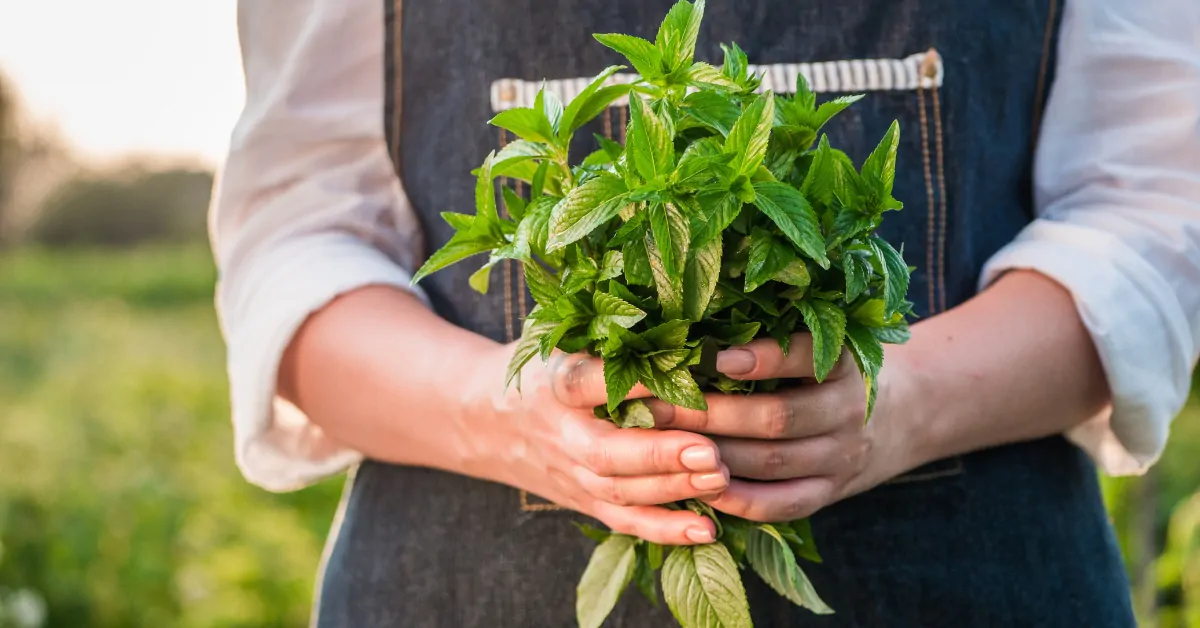
Contrary to a common belief, there is no mint tea cure that has demonstrated a capacity to prevent motion sickness. During travel, however, it can perfume the water and aid regular hydration.
You can also pour a concentrated mint infusion into bath water. Its fragrance delivers a refreshing sensation, especially pleasant in summer.
To store mint, air-dry the leaves in the shade in a dry, ventilated spot. You can also chop them and freeze them in ice cubes with a little water.
Parsley, a colorful ally on the plate
Parsley provides vitamins C and K, carotenoids, and several minerals. Flat-leaf parsley generally has a stronger flavor, while curly parsley adds volume and crunch.
The ideal is to use it fresh, minced over vegetables, grains, salads, or soups. Added at the last moment, it better preserves its taste and nutritional qualities.
Biting a few sprigs of parsley can temporarily freshen the breath after a garlicky dish. This effect does not replace brushing teeth or regular oral care.
The old uses of parsley as a facial toner, for bite relief, or as a diuretic tea are not well documented. A fresh plant can also cause irritation or an allergic reaction. It’s best to reserve parsley for cooking.
Caution with medicinal plants
A herbal infusion does not replace medical advice. Consult a health professional during pregnancy, breastfeeding, chronic illness, or when taking medications. People on anticoagulants should maintain a regular vitamin K intake and follow their doctor’s recommendations.
Oregano, savory, and thyme: three aromatics with a powerful scent
These Mediterranean herbs tolerate heat well and keep much of their aroma after drying. They naturally fit into slow-cooked dishes, tomato sauces, and roasted vegetables.
Oregano, essential in Mediterranean cooking
More peppery than marjoram, oregano flavors pizzas, gratins, tomatoes, and marinades. Fresh, it has a more vegetal flavor. Dried, its taste is often more concentrated.
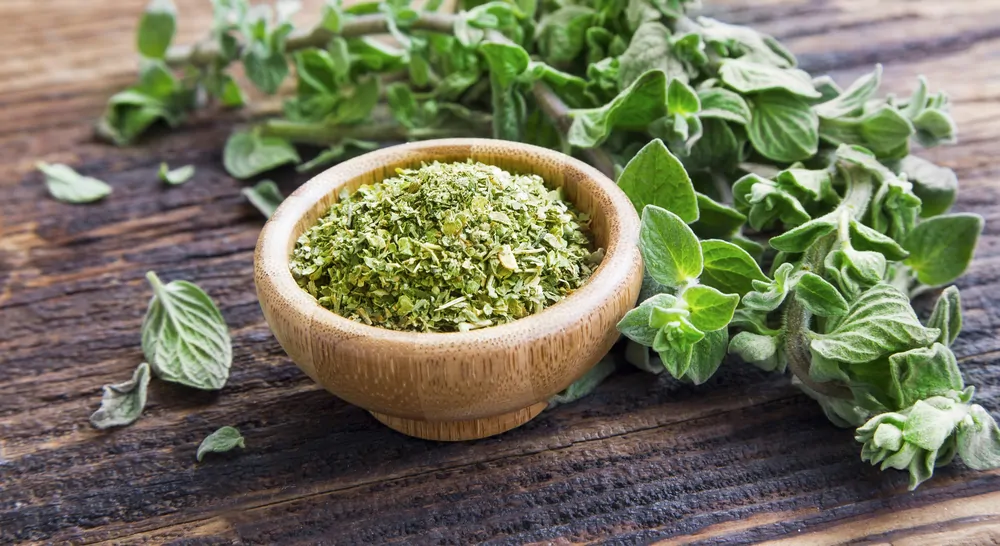
Oregano is sometimes consumed as an infusion for digestive or respiratory comfort. These uses are mostly traditional and do not serve to treat strep throat, bronchitis, or dental pain.
In case of a toothache, avoid applying leaves or essential oil to the gum. A dentist should be consulted to identify the cause of the pain.
The savory, the friend of legumes
The savory has a peppery taste that lightly resembles thyme. It enhances white beans, chickpeas, lentils, mushrooms, and roasted vegetables.
It is traditionally associated with digestive comfort, especially when paired with legumes. However, no herb alone can fully render a difficult meal completely harmless to digest.
For a fragrant drink, steep a small teaspoon of dried savory in a cup of hot water for five minutes. Given its intense flavor, start with a gentle infusion.
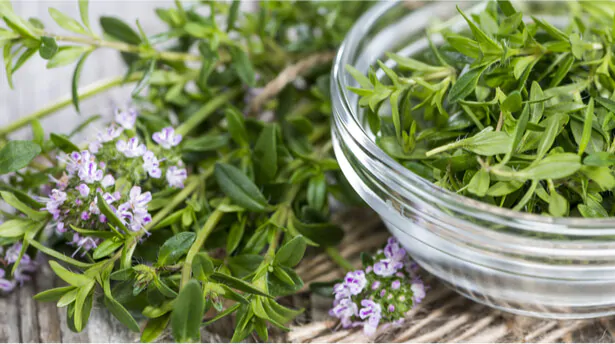
Thyme, the comforting winter plant
Thyme has been cherished since ancient times. Preparations made with thyme are traditionally used to help ease a productive cough associated with a cold.
A thyme infusion can thus provide a hot, comforting drink. It does not cure the flu or a respiratory infection. If coughing persists, worsens, or is accompanied by high fever, breathing difficulty, or chest pain, seek medical advice.
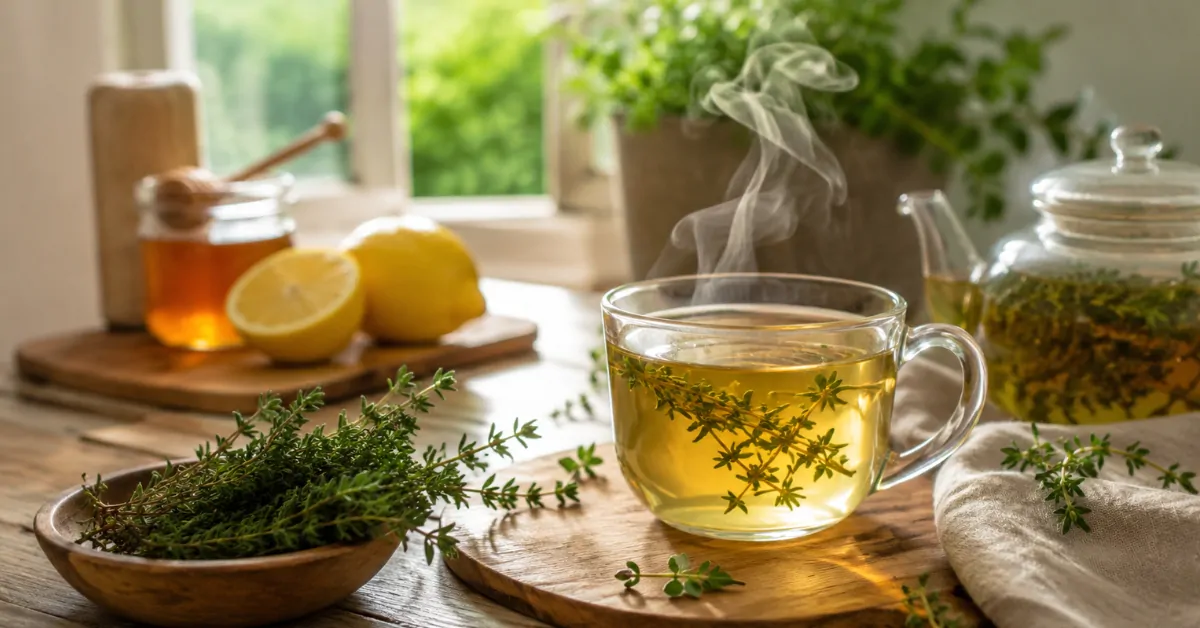
To make a cup, pour simmering water over one to two teaspoons of dried thyme. Let steep for five to ten minutes, then strain. You may add a little honey, except for children under one year old.
A warm bath scented with thyme infusion can also offer a relaxing sensation. However, avoid water that is too hot, especially if you have cardiovascular or circulatory concerns.
How to store aromatic herbs?
To make your harvest last, several simple options exist.
- In the fridge: place stems in a glass of water or wrap them in a slightly damp cloth.
- In the freezer: chop the leaves and distribute them in an ice cube tray.
- By drying: hang bouquets in a dry, dark, well-ventilated place.
- In vinegar: macerate clean, dry herbs in vinegar that’s sufficiently acidic.
Drying is particularly suitable for thyme, oregano, marjoram, and savory. Chives, parsley, and mint generally retain their aroma better when frozen.
The easy thyme vinegar recipe
Slip a thyme branch, a rosemary branch, and two peeled garlic cloves into a perfectly clean glass bottle. Add half a liter of white wine vinegar.
Close the bottle, then let it macerate for about two weeks in a cool, dark place. Strain the vinegar before using it on salads, raw vegetables, or grilled vegetables.
This homemade preparation adds a lot of flavor and can help reduce the need for heavier or overly salty sauces.
ConsoGlobe tip
Leave a few flowers of thyme, chives, mint, or oregano in the garden. They provide nectar and pollen for a wide range of pollinators.
In cooking, aromatics remain, above all, tasty ingredients. Infusions can complement these uses for pleasure or comfort. By contrast, essential oils are far more concentrated and require special precautions. They should not be swallowed or applied to the skin without professional advice.