
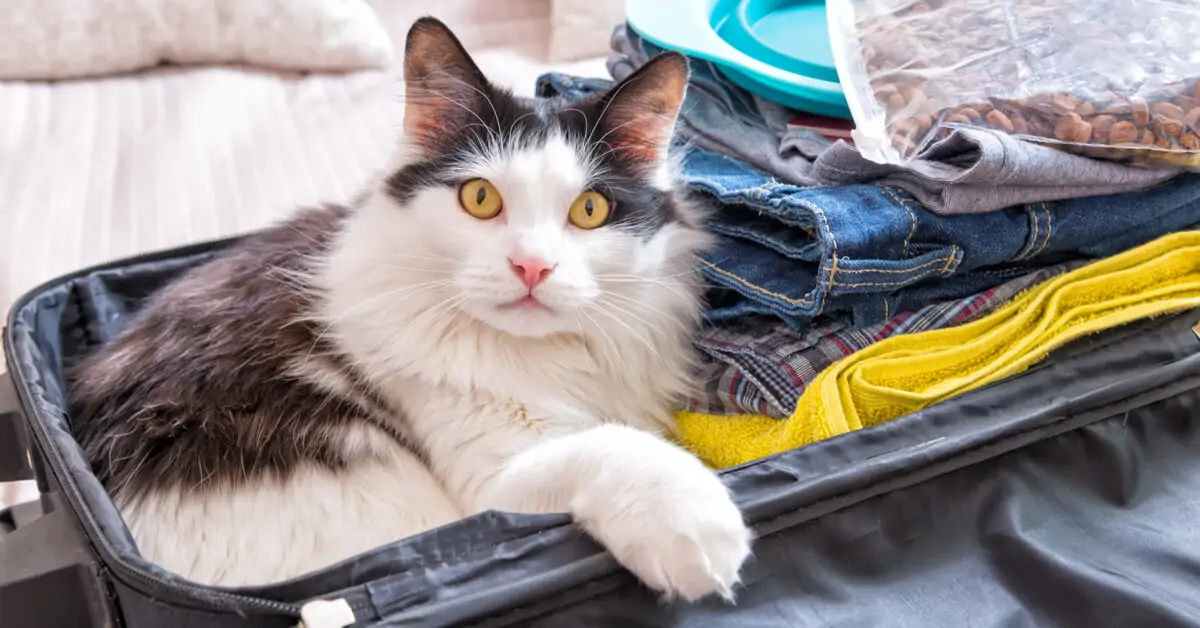
Going on vacation when you own a dog, a cat, or a non-traditional pet requires a bit of planning. Boarding facilities, a pet sitter, a trusted friend or neighbor, or house-sitting exchanges: several options let you respect your animal’s routines and your budget.
This planning remains essential. In 2025, the SPCA took in 42,373 animals across its shelters and SPCA Homes. During the summer of 2025 alone, 7,628 animals were cared for, including 5,373 cats. Full data for the summer of 2026 aren’t yet available.
Should you take your pet on vacation?
The answer depends on your destination, the journey, and especially your companion’s temperament. Some dogs enjoy travel and new environments. Many cats, by contrast, experience transport and a change of territory as a source of stress.
The number of pets also matters. Traveling with several companions can reduce lodging options and raise transport costs. You also need to check the rules imposed by the rental, campground, or hotel.
Bringing your pet also means anticipating possible heat waves, parasites, dietary needs, and access to a veterinarian. An older, ill, or highly anxious animal may sometimes be better off at home with a familiar person.
Animal Abandonment remain a significant issue as holidays approach. Abandonment is never a solution. Abandoning a pet is a crime punishable by up to three years in prison and fines of up to €45,000. Penalties are increased when circumstances immediately endanger the animal’s life.(5)
Hosting at a caregiver’s home
In-home pet care during vacations can be organized directly at your residence. This solution minimizes changes for cats, senior pets, and companions deeply attached to their surroundings.
The caregiver can perform one or more daily visits. They refresh water, provide meals, clean litter boxes, and spend time with the animal. For a dog, brief visits are usually not enough: you should plan several outings, interactions, and a presence tailored to its routine.
A pet sitter can also sleep at your home. This arrangement reassures animals that dislike being left alone. It also suits households with several dogs, cats, or non-traditional pets.
Before you depart, arrange a meeting in the presence of the animal. Share its routines, fears, diet, and any medications. Agree in writing on schedules, walks, the fee, and the protocol to follow in case of an emergency.
Good to know
For a commercial dog or cat boarding service, verify the professional’s identity, insurance, and business registration. Boarding activities are regulated by law.
Choosing a boarding facility for dogs or cats
A boarding facility houses your companion in spaces designed for animal care. Depending on the center, dogs may have a private kennel, an outdoor area, and walks. Catteries typically offer separate areas, hideouts, and platforms.
Boarding is the only form of care subject to inspection by veterinary inspection services. Its operation must be registered. The establishment must also have a sanitation policy established with a veterinarian.(2)
Visit the premises before booking. They should be clean, secure, adequately ventilated, and shielded from extreme temperatures. Also observe the behavior of the animals present and how the staff interacts with them.
Ask how many animals are accommodated, how often dogs are taken out, and whether cats are housed separately. Also check for on-site overnight supervision and the illness protocol in place.
Required vaccinations vary by boarding facilities. Vaccinations must be up to date when requested by the establishment. A recent parasite treatment may also be required.
Boarding your animal at a caregiver’s home
The host family or the pet-sitter houses the animal at their home. This arrangement generally offers a more family-like environment than a boarding facility. It suits sociable dogs and animals that seek regular human presence.
Ask to visit the home and meet the other animals. Check the garden’s fencing, isolation options, and how many pets are being cared for at once.
A one-day or weekend trial period can be useful. It helps identify potential cohabitation issues before a longer absence.
Never hide a behavioral issue, a health problem, or a tendency to run away. This information helps the caregiver adapt the welcome and prevent an accident.
Calling in a friend or neighbor or swapping care
A family member, neighbor, or friend can look after your companion. This economical solution works as long as the person is available, reliable, and comfortable with animals.
You can also arrange a care swap with another owner. Each person hosts or visits the other’s animal during the holidays. An initial meeting remains essential, even when the care is free.
Home-sitting is another option. A person temporarily occupies your home and watches your animals. Some platforms operate on a subscription or cost-sharing basis rather than a daily rate.
Regardless of the arrangement, leave written instructions and don’t rely on an informal agreement.
How much does pet care cost in 2026?
Prices vary by region, season, the animal’s size, and the services provided. School holidays and holidays can add a surcharge.
As a rough guide, a home visit typically costs between $12 and $25. In-home boarding with lodging can be about $18 to $45 per day. Prolonged on-site presence at the owner’s home can exceed $35 per day.
For a week, the budget can range from roughly $110 to over $330. Care tasks, long walks, administering medications, or caring for multiple animals can raise the bill.
Ask for a detailed quote that specifies meals, walks, any supplements, and cancellation terms. A notably low rate should not absolve you from verifying care conditions.
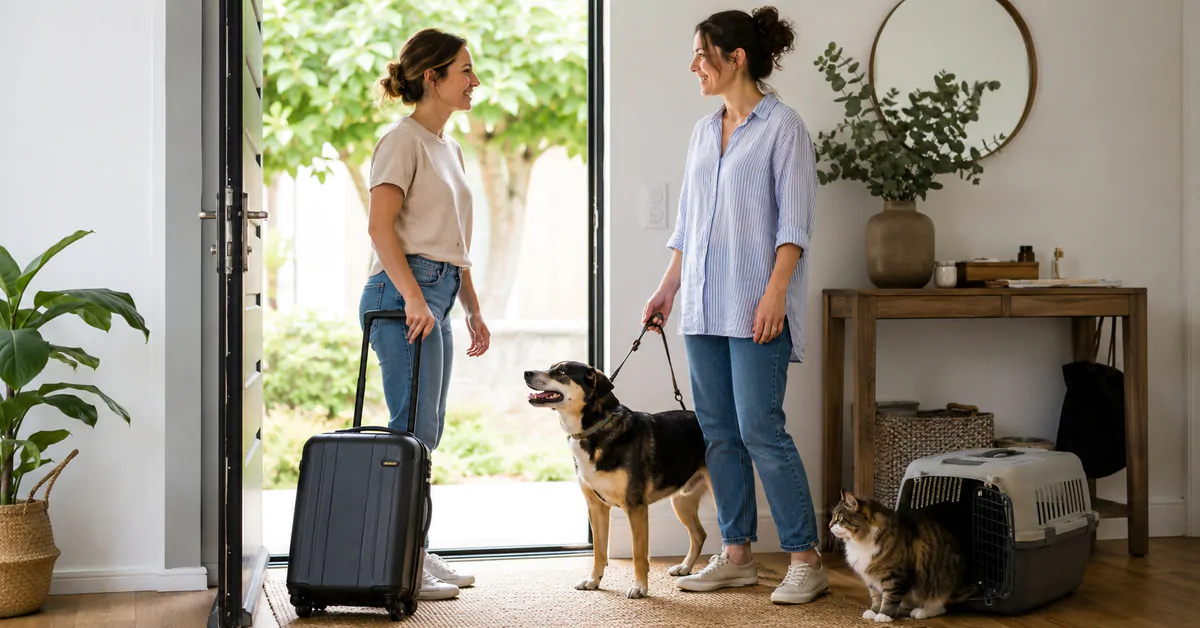
The essential checks before departure
Prepare a sheet containing your veterinarian’s contact details, your phone number, and a trusted contact. Include feeding amounts, usual schedules, medications, and behaviors to monitor.
Leave enough food, litter, and medications for the entire duration of the absence. Plan a small reserve in case you return late.
Identification is mandatory before four months of age for a dog and seven months for a cat born after January 1, 2012. (3)
Check that your phone number is registered in the I-CAD file. You can also declare temporary contact details for the place of stay or the person caring for the animal. This helps with contact in case of a runaway.
Finally, hand the caregiver the health record, the identification card, and a written authorization allowing them to consult a veterinarian. Also set the maximum amount they can incur without reaching out to you.
- https://mesdemarches.agriculture.gouv.fr/demarches/particulier/vivre-avec-un-animal-de-compagnie/article/declarer-une-activite?id_rubrique=54
- https://agriculture.gouv.fr/comment-faire-garder-son-animal-de-compagnie
- https://agriculture.gouv.fr/lidentification-des-animaux-de-compagnie-une-obligation-legale-qui-les-protege
- https://www.i-cad.fr/articles/declaration-coordonnees-temporaires-animal
- https://www.service-public.fr/particuliers/vosdroits/F31859