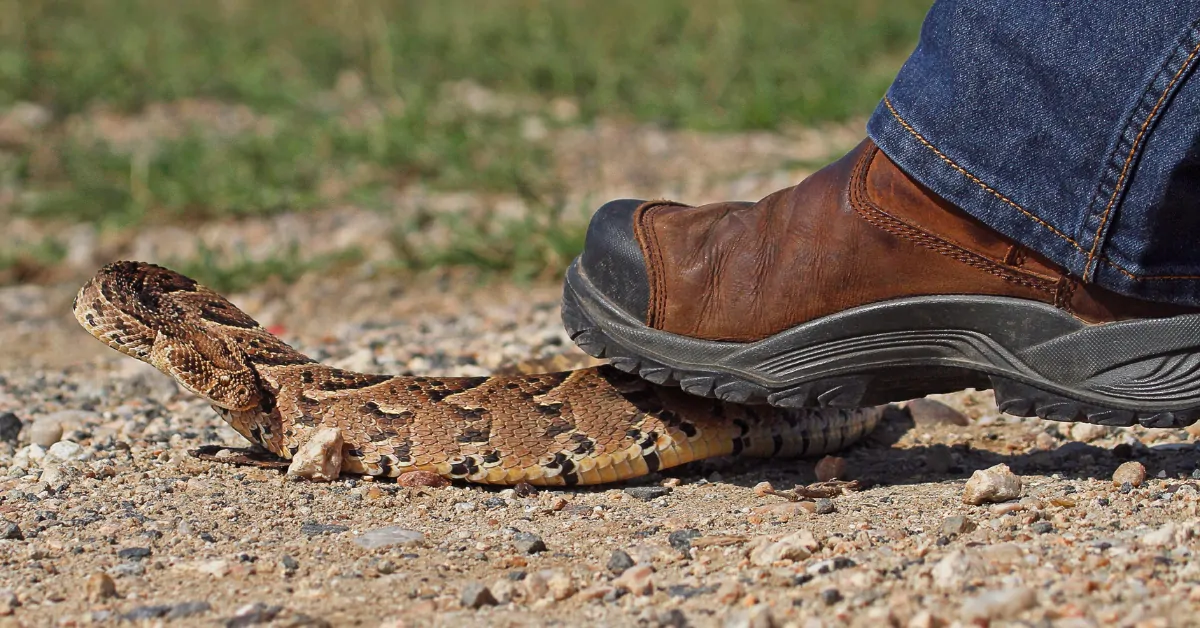
A sting or bite often happens when you least expect it. In the garden, while hiking, or at the beach, a few simple steps can help prevent complications. It also requires knowing the right reflexes and abandoning some dangerous practices.
Wasp, bee, or hornet sting: what to do?
Outdoor meals easily attract wasps. A sudden move can trigger a sting, followed by pain, redness, and local swelling.
In most cases, this reaction remains mild and gradually improves. Some situations, however, require urgent care.
The first steps after a sting
A bee typically leaves its stinger in the skin. Remove it quickly by sliding it out with your fingernail or the edge of a rigid card. Avoid squeezing the venom sac.
Wasps and hornets usually do not leave their stinger behind. They can sting multiple times.
- Remove rings, bracelets, or shoes if swelling is likely.
- Wash the skin with water and soap.
- Then apply an appropriate antiseptic.
- Place a cold pack wrapped in a cloth on the area for a few minutes.
- Avoid strenuous activity for about 30 minutes.
- Check that your tetanus vaccination is up to date.
An analgesic such as acetaminophen can be used, following the label and any personal contraindications.
When to call for emergency help?
Call emergency services immediately at 911 if the sting is inside the mouth or throat, if there are multiple stings, or if there is a generalized allergic reaction. Trouble breathing, dizziness, vomiting, or facial swelling are signs of a medical emergency.
A person with a known allergy who has an epinephrine auto-injector should use it as directed. Medical supervision remains essential after the injection.
Tick bite: act quickly
After walking through tall grasses, in a forest, or after gardening, inspect your skin carefully. Check children as well.
Ticks tend to favor areas like the armpits, behind the knees, the scalp, the neck, the groin, and the navel.
A tick can transmit several infectious diseases, including Lyme disease. The risk increases the longer it remains attached.
How to properly remove a tick?
- Do not apply ether, oil, alcohol, or any irritants to the tick.
- Slide a tick remover under its body as close to the skin as possible.
- Rotate the tool gently while pulling, without crushing the creature.
- Disinfect the area after removal.
- Carefully wash your hands.
If part of the tick remains in the skin, do not dig the wound. Seek advice from a pharmacist or a physician.
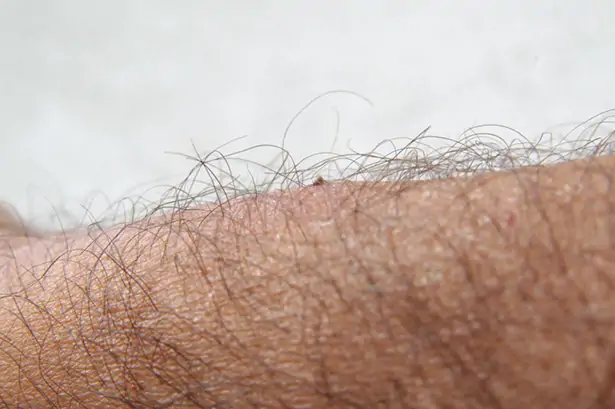
Monitor the skin for a month
A small immediate redness does not necessarily mean an infection has been transmitted. It often reflects a local reaction.
However, seek prompt advice if a red patch gradually spreads around the bite. Do the same if you develop fever, unusual fatigue, pain, or neurological symptoms.
Dog, cat, or other animal bite
A bite might seem superficial but can reach deeper tissues. Cat bites, in particular, sometimes create small punctures that are difficult to assess.
Immediate care
- Wash your hands before touching the wound.
- Clean the bite for several minutes with water and soap.
- Rinse well and then apply an antiseptic.
- Cover the wound with a sterile dressing.
- Check that your tetanus vaccination is up to date.
A quick medical assessment is recommended when the bite is deep, extensive, or located on the hand, face, neck, or near a joint.
Also seek medical advice if the wound becomes red, warm, painful, or swollen. Drainage, fever, or numbness should also trigger medical attention.
After a bite from a wild, stray, or unknown animal, promptly contact a health professional. This precaution is also essential after bites that occur abroad.
Snake bite: call emergency services immediately
All snake bites should be treated seriously. Even when there is no obvious venom spread, only a medical evaluation can determine the severity of the situation.

Good practices after a snake bite
- Move away calmly from the snake without trying to capture it.
- Call emergency services immediately at 911.
- Have the bitten person lie down and stay calm.
- Remove rings, shoes, bracelets, and tight clothing.
- Immobilize the affected limb.
- Gently clean the wound with water and soap if possible.
- For pain, use only acetaminophen unless contraindicated.
Do not attempt to pursue the snake. You may photograph it from a distance if it is safe and does not put you at risk of another bite.
Things to avoid: Do not apply a tourniquet or tight bandages. Do not cut the wound, suck it, or use venom pumps. Do not apply ice, ointments, or heating substances.
Pain, swelling, nausea, vomiting, or feeling unwell can develop gradually. Never leave the person alone before emergency help arrives.
Beach stings: stingrays, urchins, and jellyfish
On sand or in the water, injuries can be very painful. Head to the lifeguard station when available, especially if you don’t know which animal caused the sting.
What to do after a sea urchin sting?
Sea urchins live buried in sandy seabed. Their spines can cause intense pain, sometimes accompanied by malaise.
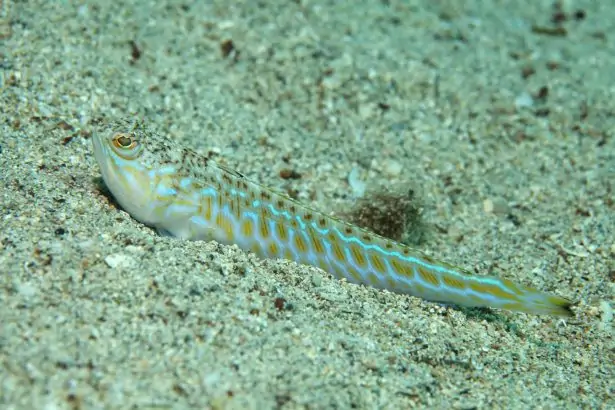
Get out of the water and seek help to avoid a fall or drowning. Then soak the affected foot in comfortably hot water, not exceeding a temperature that could burn the skin.
Never approach a cigarette, flame, or hair dryer to the injury. These methods risk burns.
Clean and disinfect the wound. Seek medical advice if pain remains intense, if a fragment is present, or if there are signs of infection.
Wearing water shoes reduces the risk of stepping on a sea urchin.
How to remove urchin spines?
Urchins found along French shores are generally not venomous. Their spines are, however, very delicate and can break under the skin.
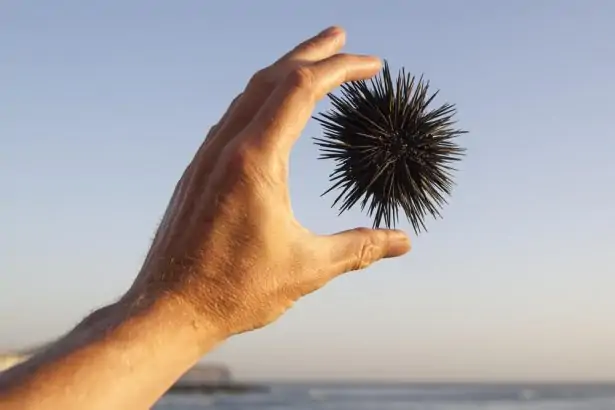
- Rinse the area and clean it with water and soap.
- Remove only superficial spines that are easily accessible with clean tweezers.
- Avoid digging the skin or making multiple attempts.
- Disinfect and protect the injury.
Consult a professional if a spine is deeply embedded, near a joint, or impossible to remove. Persistent redness, swelling, or increasing pain also require medical advice.
Jellyfish sting: seawater, never freshwater
The tentacles of jellyfish deposit stinging cells on the skin that can continue releasing venom after contact.
- Exit the water calmly and seek help if the pain is severe.
- Rinse the skin thoroughly with seawater.
- Never rub the area with your hands or a towel.
- Carefully remove visible filaments with tweezers.
- Then protect the skin from the sun.
Avoid using freshwater. It can trigger the discharge of remaining stinging cells. Also avoid urine, alcohol, lemon, and vinegar unless advised by the lifeguard.
Call emergency services at 911 if you have trouble breathing, dizziness, vomiting, or significant swelling.