
The summer is the perfect season to kick off new projects, especially when the whole family can get involved. And what could be more exotic and fun than growing a pineapple in a pot, right in the comfort of your home? While this may seem like a challenge, it’s actually a totally doable venture—with a little patience and the right tips.
Choosing the Pineapple and Preparing the Cutting
The adventure begins at your grocery store or local market. Opt for a quality pineapple, ideally organic, with dense, vibrant foliage. This “crown” of leaves, as it’s called, is the key to your pineapple’s future growth. Before you can savor the fruit, the next step starts.
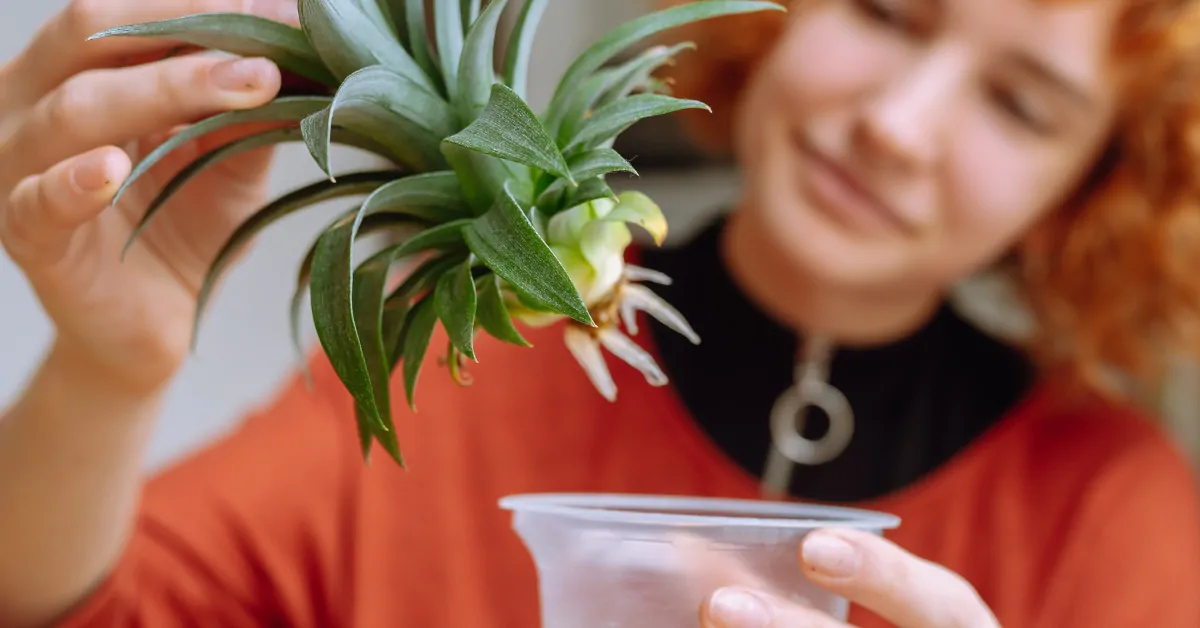
Grip the pineapple by its crown and twist it gently to extract a small cone topped with tiny leaves. After that, carefully remove these tiny leaves to expose the future roots of your pineapple. Let the little stalk dry for a few days to prevent rot before moving on to the next step: the pot.
Planting and Growing Conditions
Prepare a pot with a mix of potting soil and sand, an environment that mimics the pineapple’s natural soil. Once your cutting is well dried, plant it gently in the pot.
The pot’s location is crucial. Pineapple loves warmth and light, so you’ll want to find a cozy spot where the temperature is at least 20 degrees Celsius (68 degrees Fahrenheit). Avoid placing it directly on a radiator.
If you plan to move it outdoors during the summer, make sure the temperature does not dip below 10 degrees Celsius (50 degrees Fahrenheit). As for watering, moderation is key. Always let the soil dry between waterings. Prefer misting or watering in a way that lets the water flow slowly down the plant.
Fruit Formation and the Plant’s Life Cycle
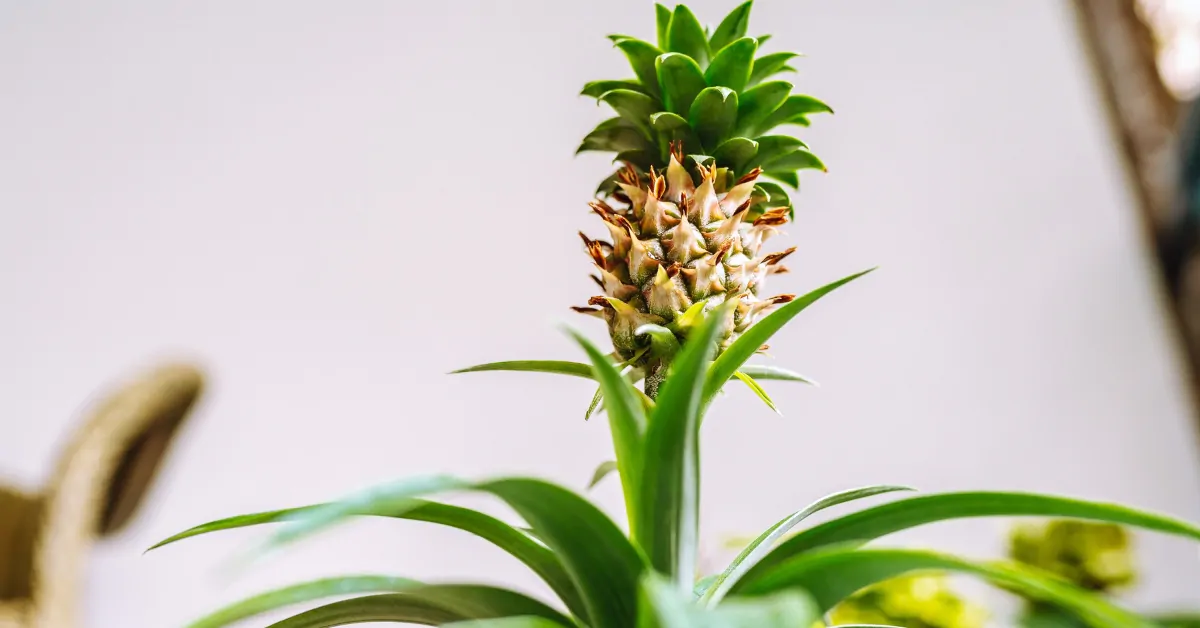
Your cutting will take its time, but with a bit of luck, a fruit will begin to form. Pineapple is a parthenocarpic plant, which means the fruit develops without prior fertilization and without forming seeds. In reality, a pineapple is a cluster of many tiny flowers that swell and become fruits that fuse together.
Chances are your homegrown pineapple will be smaller than the ones you typically find in groceries, but it will be just as tasty. Once the fruit is ripe and harvested, the plant will likely produce one or more slips before finishing its life cycle. But don’t worry—this isn’t the end of your home pineapple-growing journey. You can indeed restart this guide from the beginning to grow a new pineapple from those slips!
Growing an pineapple at home is about inviting a touch of exotism into everyday life. It’s a wonderful activity to share with the family, letting you discover the magic of nature—from the crown to the pineapple.
Even though it takes time and patience, the pleasure of watching your own plant grow and picking its fruit is incomparable. Moreover, this adventure will teach your kids about plant life cycles and give them gardening skills while having fun.
So, ready to try the experience this summer? Remember, patience is the key. Even if your pineapple doesn’t yield a fruit right away, it will still make a beautiful green plant with a bit of bite that adds a tropical touch to your home. Happy gardening!
Read also
How to germinate pits or seeds from fruits?