When nights grow cooler, tomato plants can still bear fruit. Should you protect them to extend the harvest or pull the plants before winter? The answer depends mainly on the temperature, the condition of the plants, and the amount of shelter space you have.
What temperature can tomatoes tolerate?
Tomatoes love warmth and fear frost. Their growth and fruit ripening slow when temperatures drop. Cold can also damage leaves and tomatoes even before a hard frost arrives.
There isn’t a single minimum temperature that guarantees survival for all plants. Their tolerance varies with exposure duration, humidity, and overall health. Don’t wait for the first frost to protect a plant you want to keep or to harvest its fruits.
How to keep a tomato plant through winter?
Protecting the tomato plants from the cold
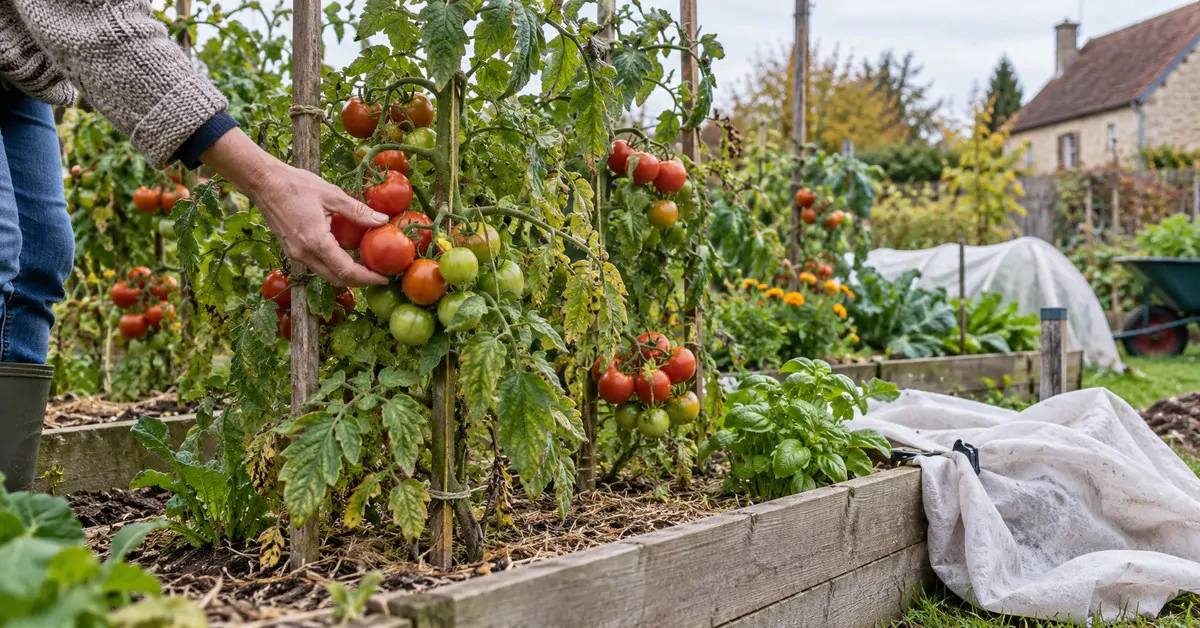
A wintering cloth, a protective cover, or a movable shelter can help the last fruits ripen in autumn. However, these protections offer only a limited margin against the cold. Likewise, an unheated greenhouse can freeze over the winter.
To keep a plant for several months, the simplest option is to bring a potted plant indoors into a bright, frost-free space. A plant established in the ground is harder to transplant, especially when it is already large. You can also mulch the garden in autumn to protect the soil, but mulching alone won’t save the green parts from frost.
Adjusting watering and pruning
As growth slows, water needs decline. Check the soil before watering rather than following a fixed schedule: it should dry slightly on the surface, without becoming completely desiccated. Water at the base and avoid wetting the foliage.
Remove diseased leaves and dispose of them carefully. However, there’s no need to strip nearly every leaf from a healthy plant: its leaves are still needed to capture light.
If your goal is to ripen fruits that are already formed before the end of the season, you can remove new blooms and top a indeterminate variety. If you want to keep the plant alive through winter, favor measured pruning and monitor its condition regularly.
The right move : keeping a plant alive through winter and harvesting tomatoes in the dead of winter are two different goals. A frost-free room can help the plant survive; producing fruit also requires enough light and warmth.
Can a tomato plant regrow in spring?
Yes, a plant kept alive through winter can resume growth in spring. Tomatoes are perennials under favorable conditions, even though they are typically grown as annuals in our climates.
This experiment is best attempted with a healthy, compact plant grown in a pot. Its viability depends on space available and the care required. For most gardeners, sowing or planting new plants in spring remains the simplest way to achieve a generous harvest.
When to pull out tomato plants at the end of the season?
If the plant stops producing, is diseased, or there is no frost-free space available, you can remove it. Also pick up leaves and any damaged fruits that have fallen to the ground. This precaution minimizes debris that could harbor diseases.
A healthy plant can join the home compost. If blight is present or you’re unsure about the plant’s condition, avoid home composting and follow your local guidelines for garden waste disposal.
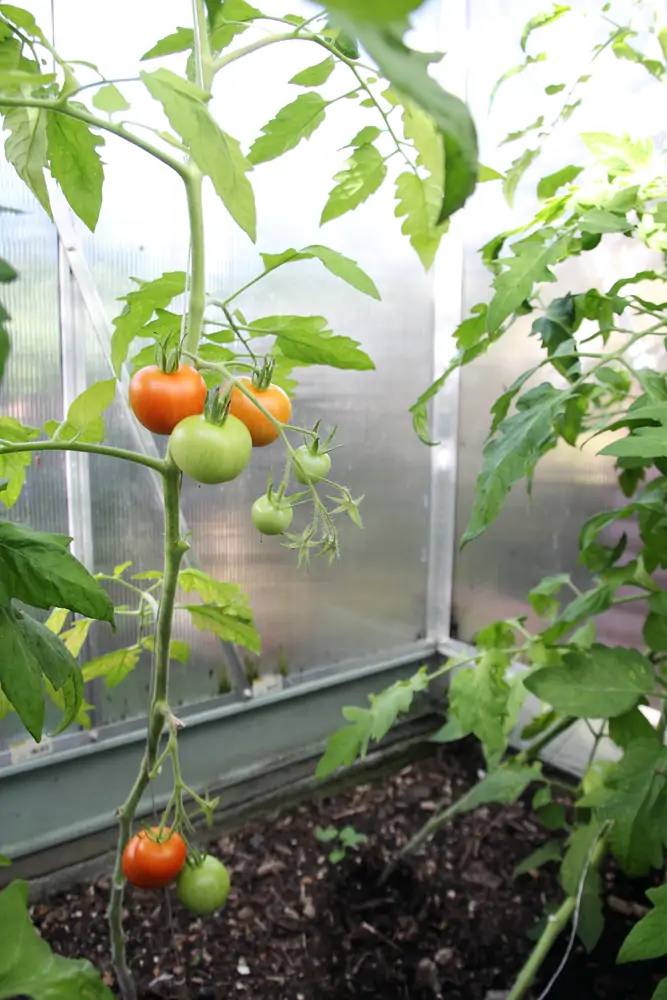
Before pulling a still-productive plant, harvest its last tomatoes. Some fruits that are sufficiently developed may finish ripening after harvest. Remove any fruit that is already damaged or shows signs of disease.