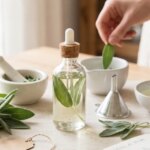
Hair on the brush, in the shower, or on the pillow: shedding can quickly become a concern. Yet losing about 50 to 100 hairs per day is part of the normal cycle of hair renewal. This benchmark varies from person to person and is not enough to make a diagnosis.
When shedding increases or hair becomes less dense, it’s best to investigate the cause before multiplying products. Gentle massages, a varied diet, and simple care can support your routine. But natural remedies do not guarantee stopping shedding or regrowth.
Hair loss: understanding before taking action
To address hair loss, you must first distinguish between several situations. Diffuse shedding can occur a few months after childbirth, illness, surgery, or significant stress. This is sometimes referred to as telogen effluvium. The hair can gradually regain density once the triggering factor disappears.
By contrast, androgenetic alopecia leads to a gradual decrease in density, in both men and women. Other causes exist: deficiency, hormonal imbalance, scalp disease, or certain medications. A cosmetic treatment alone cannot resolve all of these situations.
There’s no need to count every hair that falls out. Instead, observe changes in your part, your temples, and your overall density. A few photos taken under the same conditions can help show this progression to your doctor.
Preserve your hair with gentle habits
When hair becomes fragile, a simple routine helps avoid further damage. The goal is notably to limit breakage and pulling.
- Use a mild shampoo suited to your scalp and rinse thoroughly.
- Apply a conditioner to the lengths to ease detangling.
- Detangle without pulling and avoid vigorous towel rubbing.
- Limit very hot styling tools and harsh chemical treatments.
- Loosen ponytails, buns, and braids that pull on the roots.
If your scalp itches or you have persistent flakes, seek advice to choose an appropriate product. Stripping the skin or increasing friction can worsen discomfort. An oily scalp does not mean the hair is “suffocating.”
Diet and hair loss: avoiding deficiencies, without piling on cures
Too restrictive a diet or insufficient intake of protein and iron can promote shedding. Favor varied, adequate meals rather than a single food touted as miraculous.
Legumes, eggs, fish, or other protein sources fit into your routine depending on your eating habits. Millet and yeast can also be incorporated. They do not, however, constitute treatments for alopecia.
Dietary supplements are not an automatic answer. Iron or zinc supplementation should correspond to a need assessed with a health professional. Some excesses, particularly of vitamin A or selenium, can themselves promote shedding. The doctor decides if a workup is useful based on your situation.
Finally, sleep, physical activity, and moments of relaxation contribute to overall well-being. A herbal tea can accompany a pleasant break, but it does not replace seeking a medical cause.
Massages and natural care: prioritize comfort
DIY care can be a pleasant ritual. However, it’s important to distinguish this cosmetic use from a treatment intended to regrow hair.
Light massage, without energetic friction
Rest the pads of your fingertips on the scalp and perform small, gentle movements for a few minutes. Avoid nails, rubbing, and strong pressures. Stop if the massage causes pain or irritation. You can do it without any product: its value is mainly comfort.
A plant-based oil treatment for dry lengths
If you enjoy DIY care, a small amount of olive oil can be tried on the dry lengths. This gesture remains a cosmetic care, with no proven effectiveness against shedding.
For application, distribute a few drops between your hands, then onto the ends. Wash off if needed. There is no need to heat the oil or to leave it on for eight nights: no protocol of this kind guarantees regrowth.
A lavender infusion, only as an optional rinse
Lavender is part of traditional hair-care recipes. If you want to keep this ritual, here is a simple preparation for a single use, with no anti-shed promises.
- 1 teaspoon dried, untreated lavender flowers.
- 250 ml water.
Pour the simmering water over the flowers. Let steep for about ten minutes, strain carefully and wait for complete cooling. Use as a rinse after shampooing, avoiding the eyes. Rinse with clear water if your skin or hair require it.
Prepare only the amount needed and discard the rest: a homemade infusion is not a preserved cosmetic. Avoid this preparation if you are allergic to lavender or have an irritated scalp. Stop at the slightest discomfort.
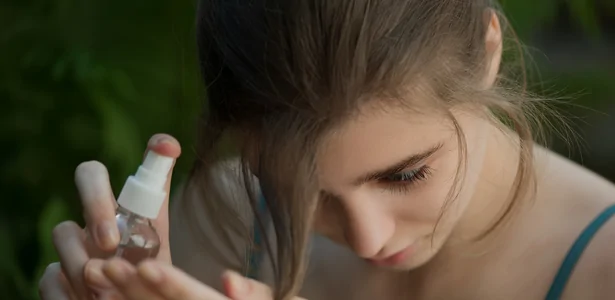
Stinging nettle, burdock, basil, and clay: don’t confuse tradition with evidence
Nettle in beauty care, burdock, centaury, and basil have a place in traditional uses. That does not prove that their homemade lotions stop alopecia.
Similarly, a clay mask should not be presented as a way to “remineralize” the hair or restart growth. Avoid rum infusions, vinegar-rubs, and crushed fresh plants on a sensitive scalp. A well-tolerated routine is better than a succession of preparations.
Essential oils against shedding: what do we really know?
Rosemary draws a lot of interest. A 2015 trial compared a rosemary oil–based preparation to 2% minoxidil in 100 people with androgenetic alopecia.
After six months, hair counts had increased in both groups, with no statistically significant difference between them. No significant change was observed at three months. Itching was also reported.
These results are encouraging, but they do not prove that a homemade recipe is equivalent to medical treatment. The study involved a specific preparation and a particular type of alopecia. It does not validate all essential oils or improvised dosages.
The cedarwood, thyme, clary sage, ylang-ylang, or bay laurel essential oils should therefore not be presented as guaranteed solutions against shedding.
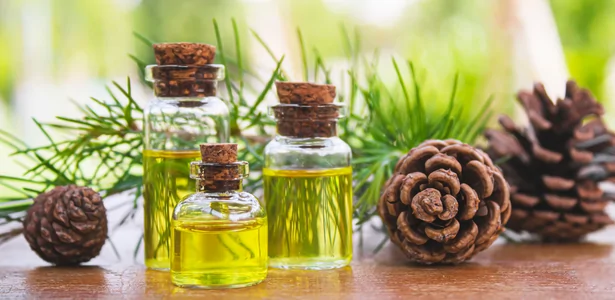
Essential oils: consult a professional before use
They can cause irritation or allergies. Avoid using them pure or adding improvised amounts to a shampoo. They do not dissolve in rinse water. Their use is not recommended for children and for pregnant or breastfeeding women. For older adults, chronic illnesses, or ongoing treatments, seek professional guidance. A pharmacist can check the product, its dilution, and precautions.
When should hair loss prompt a visit to the doctor?
Make an appointment with your doctor or a dermatologist if the shedding worries you, persists, or is accompanied by a noticeable loss of density. Also consult for:
- A sudden and significant loss or bald patches.
- A part that broadens or gradually thinning areas.
- Severe pain, redness, crusting, or itching.
Note the medicines you are taking and any recent events: illness, childbirth, weight loss, or major stress. Do not stop a prescribed treatment on your own. Management depends on the cause; it may include a targeted treatment, such as minoxidil in certain types of alopecia.
The right anti-waste reflex
Before buying a new lotion, simplify your routine and identify what you’re trying to correct: breakage, irritation, or true shedding. Preparing a small amount of product also helps avoid unusable leftovers.
Article updated October 2026