
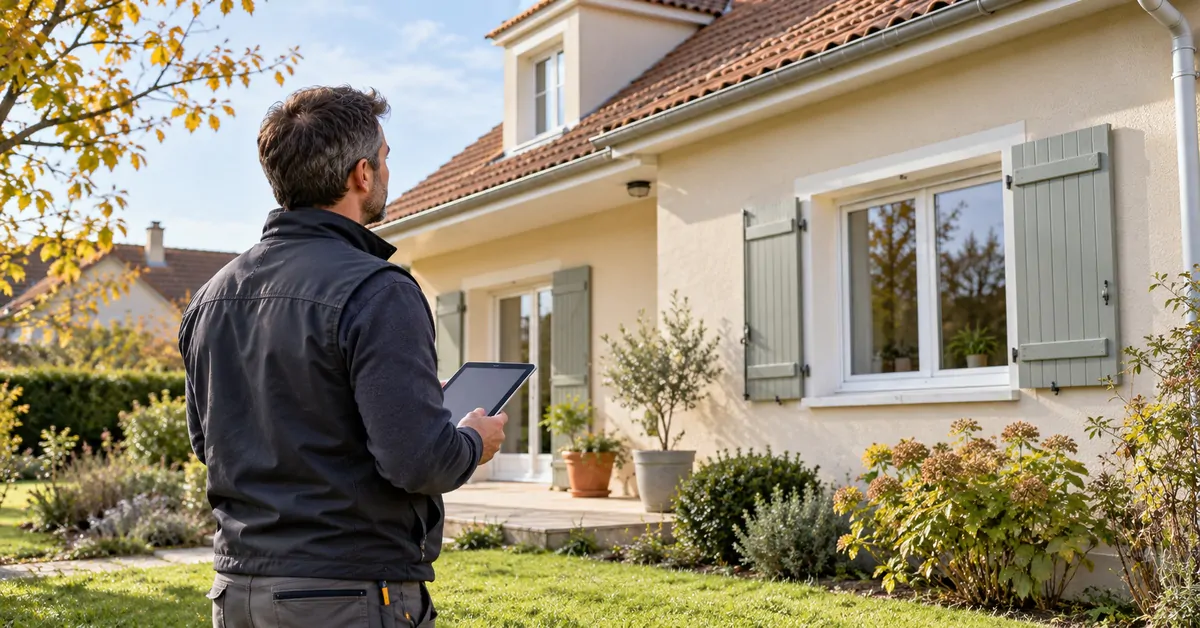
The energy performance diagnosis now influences sale prices as well as heating choices. This shift could accelerate the ecological transition of homes in the United States and beyond.
Energy Performance Diagnosis (EPD): Polluting Homes Lose Value
Since July 2021, the Energy Performance Diagnosis no longer measures energy consumption alone. It also takes CO2 emissions into account. The final grade, from A to G, corresponds to the worse of the two results. A reform whose effects on the housing market are beginning to be felt. And the impact is far from negligible: for 15% of homes sold, greenhouse gas emissions drag down the final EPD score, according to a study by Alexandre Garel, professor at Audencia, published in The Conversation.
This poor grade translates into prices. When a home drops into a lower category because of its emissions, its value falls on average by 2%. For a $210,000 property, that amounts to roughly a $4,000 markdown. But beware: buyers don’t seem to actually scrutinize a building’s carbon footprint. They mainly look at its energy letter. When emissions do not change the final rating, no significant price effect is observed. It is therefore the bad grade, more than the CO2 itself, that penalizes sellers.
Energy: Heating Becomes Decisive for the Home
This shift changes the calculus for homes heated with gas or oil. These fossil fuels emit CO2, unlike electric equipment that does not produce emissions on-site. In France, where more than 90% of electricity is decarbonized, heat pumps thus offer a major environmental advantage. They also consume less energy than traditional electric heating. An ADEME study measures an average production of 2.9 kilowatt-hours of heat for each kilowatt-hour of electricity consumed.
Should you then replace your boiler outright? Not without examining insulation. A poorly insulated house retains substantial heating needs, regardless of the energy used. Reducing losses and gradually phasing out fossil fuels remain two complementary approaches.
Finally, a higher EPD score does not guarantee a real drop in emissions. Researchers observe improvements in the climate performance of homes sold, but cannot yet determine whether this results from retrofit work or from the postponement of sales for the most polluting properties. This is the fundamental limitation of a metric that already influences prices without proving environmental benefits on its own.
Also read
- Thermal insulation: why and how?
- 5 ways to improve your insulation without major renovations