
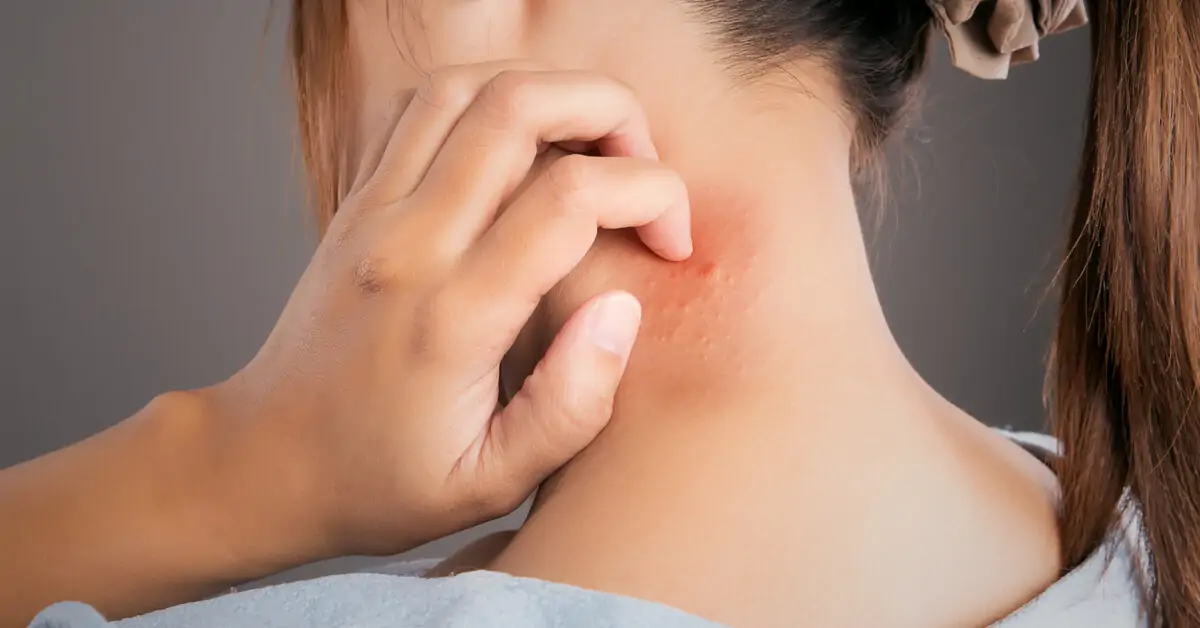
A mosquito bite can quickly turn a summer evening into a real itching session. Yet a few simple steps can reduce itching and swelling.
The vigilance remains especially important in 2026. As of January 1, the Asian tiger mosquito had established itself in 81 metropolitan departments. This species can transmit dengue, chikungunya, or the Zika virus(5).
Fortunately, most bites are benign. It is still important to avoid scratching and to refrain from applying products that could worsen the irritation.
What you need to know
- Wash the bite with soap and water.
- Apply cold for 10 to 20 minutes.
- Avoid scratching or piercing the bump.
- Avoid applying garlic, lemon, or pure essential oils.
- Seek medical advice if the redness spreads or if general symptoms appear.
Soothe a mosquito bite: 5 simple and reliable steps
Even with precautions against mosquitoes, one may still manage to bite you. Here are the right reflexes to adopt.
You can also consult the mosquito bites sheet to better understand these skin reactions.
1. Clean the bite with soap and water
Start by gently washing the area with soap and water. This helps remove dirt and reduce the risk of infection.
Then dry the skin by patting with a clean towel. Avoid rubbing, as it can restart the itching.
If the skin has been scratched, an appropriate antiseptic can be used. Ask your pharmacist for advice(2).
2. Apply cold for a few minutes
Cold remains one of the simplest ways to calm the itching and limit swelling.
Place a few ice cubes in a clean cloth. Apply this cold pack for 10 to 20 minutes, never directly on the skin.
You can repeat the operation several times during the day. However, allow the skin to return to its normal temperature between two applications.
3. Elevate the area when it is swollen
The bite is on a hand, foot, arm, or leg? Try to keep the limb slightly elevated.
This position can help limit the edema. It complements cold application when the reaction remains localized.
4. Tap rather than scratch
Scratching provides only a very brief relief. However, this action sustains inflammation and can create small skin lesions.
To resist, gently tap the area with the pads of your fingers. You can also apply a cold, damp compress.
Also consider keeping nails short, especially for children. This reduces the risk of secondary infection.
5. Protect the bump at night
Itching often feels stronger when lying down. It can then lead to involuntary scratching during sleep.
A small breathable bandage can protect the area. It should be placed on clean skin and changed regularly.
Never pop a blister or a swollen bump. This handling facilitates bacteria entering the skin.
Vinegar, lemon, garlic: are these grandma remedies effective?
Many home recipes recommend vinegar, lemon, garlic, onion, or a damp tea bag. Yet their effectiveness remains poorly documented.
Lemon, garlic, onion, and pure vinegar can also irritate already inflamed skin. Lemon can become particularly harsh when the skin is exposed to sunlight.
It is therefore better not to apply these ingredients to fragile, damaged, or eczema-affected skin.
And baking soda?
Official recommendations are not fully in agreement. American health authorities propose a paste made of baking soda and water.
In contrast, the British health service discourages home remedies for insect bites. The scientific evidence remains limited.
For a low-risk solution, prefer washing and a cold compress. Stop any application that causes a burn or additional redness.
Be careful with essential oils applied to the skin
Lavender essential oil is often presented as a soothing solution. However, a natural substance is not automatically harmless.
Essential oils can cause irritation or an allergic reaction. They are particularly discouraged for children and pregnant women without professional advice(4).
Do not improvise a pure application. Check our essential oils buying guide beforehand.
Also follow all usage precautions with essential oils.
Why does a mosquito bite itch so much?
Only female mosquitoes bite. They need the proteins in blood to allow the development of their eggs.
When she bites, the female injects saliva into the skin. It contains various substances that facilitate her blood meal.
The immune system then recognizes some components as foreign. Cells called mast cells release histamine in particular.
This reaction causes redness, swelling, and an itching sensation. The small bump may appear immediately or several hours after the bite.
Its intensity mainly depends on each person’s immune sensitivity. It does not correspond directly to the amount of blood drawn.
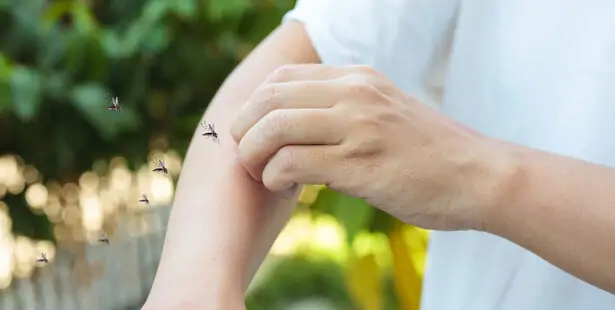
Do mosquito bites itch less over time?
Repeated exposure to the saliva of the same species can sometimes lead to a gradual desensitization. Reactions then become less pronounced.
However, this evolution is neither systematic nor rapid. It can take several years and varies by mosquito species.
Conversely, initial exposures can gradually sensitize the body. Some people then develop more noticeable reactions than before.
Age, allergies, atopic dermatitis, and immune status also influence the skin response. Therefore, do not seek to multiply bites.
Very swollen mosquito bite: when should you seek medical advice?
A local reaction can stay red and swollen for several days. However, certain symptoms require medical or pharmaceutical advice.
Consult promptly when:
- the redness continues to spread;
- the skin becomes very warm or painful;
- pus or fluid drains from the bump;
- a red streak appears around the bite;
- the swelling becomes very pronounced;
- fever or malaise occurs.
A very extensive local reaction may correspond to Skeeter syndrome. This hypersensitivity is more common in children.
A sudden swelling of the lips, tongue, or throat is an emergency. The same goes for breathing difficulties.
In this situation, call 911 immediately.
To learn how to recognize an unusual reaction, see our article on allergy to mosquito bites.
Asian tiger mosquito in 2026: prevention is key to avoiding bites
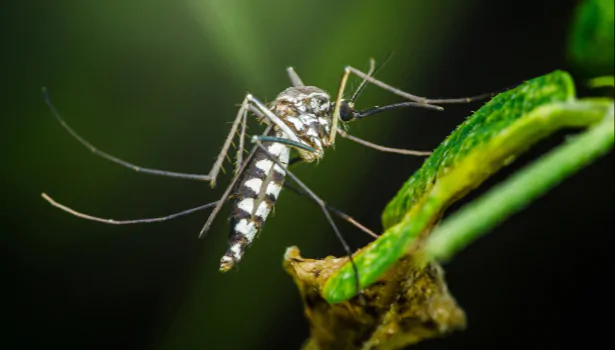
The Asian tiger mosquito is now present in 81 metropolitan departments. It bites mainly during the day and often lives near homes.
The most effective measure is to regularly remove small standing water sources. A few milliliters can be enough for larval development.
Each week, consider:
- empty the saucers under potted plants;
- turn over buckets, watering cans, and toys;
- cover rainwater collectors with mosquito nets;
- clean gutters and drains;
- change the water for pets and in vases.
You can complement these actions with our natural mosquito-proofing tips.
Our dossier on mosquitoes and mosquito control also presents the main protection methods.
These solutions remain far more accessible than some experimental approaches. Some researchers have, for instance, studied the kidneys of mosquitoes to disrupt their water elimination.
However, these works have remained in the research stage. They do not constitute a method usable by individuals.
Article updated July 15, 2026
- https://signalement-moustique.anses.fr/signalement_albopictus/
- https://www.ameli.fr/assure/actualites/morsures-et-piqures-les-bons-reflexes-face-aux-petits-maux-de-l-ete
- https://www.cdc.gov/mosquitoes/about/about-mosquito-bites.html
- https://www.anses.fr/fr/content/huiles-essentielles-risques-et-precautions
- (6)https://signalement-moustique.anses.fr/signalement_albopictus/