
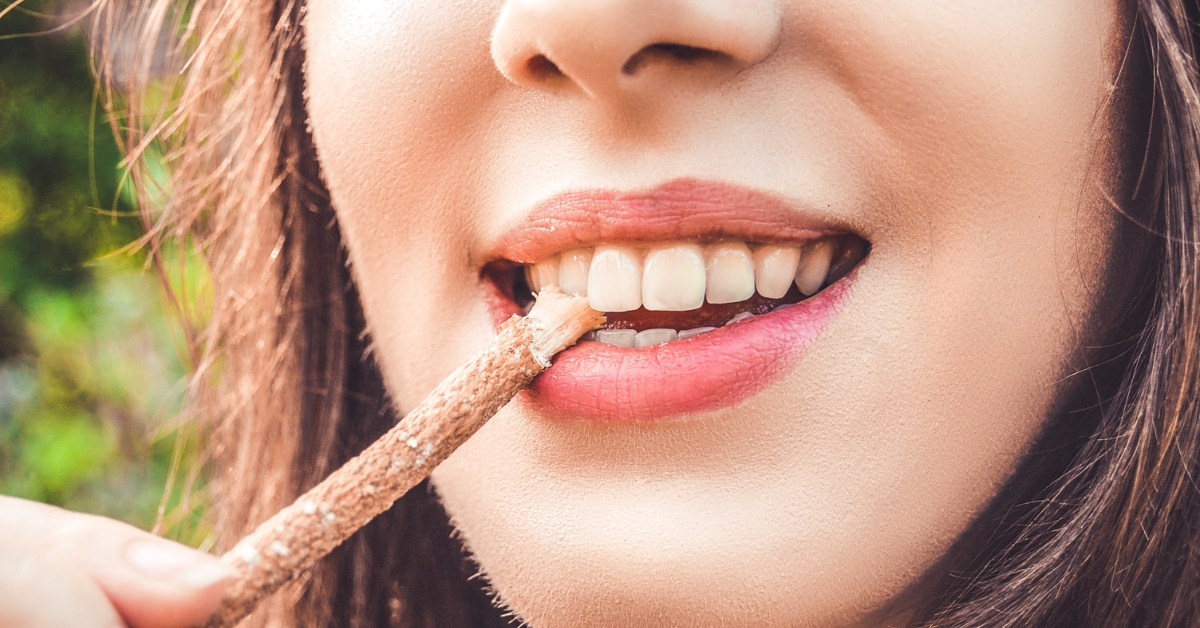
Used for centuries, the siwak is making a comeback as a natural, zero-waste alternative to the classic toothbrush. But is it truly effective?
The Salvadora persica is a shrub whose branch, called siwak or souak, has been used for millennia as a natural toothbrush. Here’s a look at this remarkable plant.
How to whiten your teeth? With siwak, a genuine natural toothbrush!
Like many people, you may be wondering how to whiten teeth naturally. Depending on your habits and means, the answers vary. In several countries, the answer is simple: siwak. Contrary to what you might think, brushing with siwak isn’t complicated. Here’s how to proceed.
Whitening teeth with siwak: the crash whitening treatment
- Obtain a Salvadora Persica stick about twenty centimeters long. Cut it in half.
- Burn the end of the first stick above a flame until you get a charred end. Dip the second stick into water or a hot infusion (with a few sage leaves, that’s perfect) and trim one end along the grain to create a small brush.
- Rub the burned (cooled) side on your teeth until the black on the stick disappears. Then brush with the other siwak end, dipped in canola oil, for example.
Both siwaks can be reused about ten times. To do this, simply cut off the end to make a fresh brush and re-burn the tip of the siwak “decapper.” This makes it perhaps the most economical treatment for outstanding results.
How does it work?
This “crash treatment” will make any yellowish layer disappear more quickly, if present. In fact, the enamel is very thin and translucent, so it reveals the color of the dentin underneath. The latter can be tinted based on lymphatic circulation and the natural color of certain mineral salts.
Important reminder
An imbalance in the liver can be the source of a yellowish color (just like in the whites of the eyes) that cannot disappear simply by brushing the enamel, but only with restoring a healthy hepatic balance, for which good dietary hygiene will be necessary: increased consumption of fruits and vegetables, moderation, or even elimination of alcohol, tobacco, and of course medications. Black radish is also recommended for the liver and cranberries for the urinary tract.
Siwak, incredible health benefits
The Salvadora Persica will also be a valuable ally for its numerous benefits throughout the body.
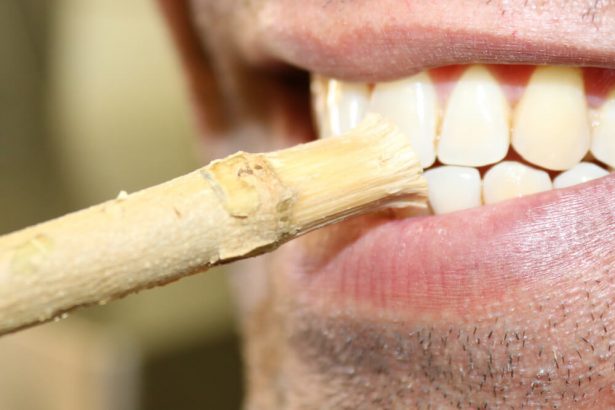
Antimicrobial and teeth-whitening, siwak also has other benefits
Indeed, it prevents bacteria from thriving on plaque, and fights bad breath.
But beyond the toothbrush use for whitening, you can also use the branch of the shrub Salvadora Persica as a hunger suppressant, chewing it whenever you feel the urge, which will help curb snacking while strengthening your gums.
Chewing siwak could also have the effect, via satiety, of triggering the production of anti-stress hormones. A good product, therefore, if you’re trying to quit smoking.
Siwak, watch your form!
The whitening market is lucrative. The result: siwak is sold in several forms.
Dark colored walnut husks are sometimes sold under this name. Wrapped around a branch, you must unwind them and chew. They are very effective for short-term whitening, but may dry the lips.
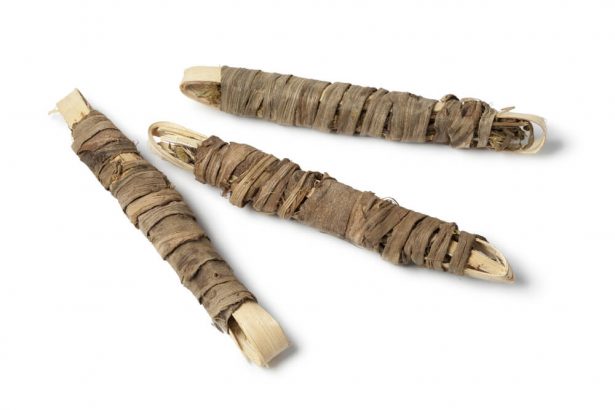
They also redden the gums through rubbing, increasing contrast but potentially irritating them. It is therefore recommended not to do it more than once a week.
The true siwak is a stick
What is traditionally called siwak is in fact a stick, sourced from Mauritania and widely used in the Arab world. It’s not just bark, but a complete stick, usually beige in color. It whitens teeth over the long term, and its use is akin to toothpaste.
Thus, the siwak turns out to be the perfect toothbrush and toothpaste for oral hygiene and dental care.