When you discover a plot of land or decide to start an organic garden, one of the first things to do before planting anything is to get to know the site. Orientation, soil type, how the soil has been worked in the past, but also… what is its pH!
Most plants do well with a soil pH that is neutral or slightly acidic, roughly between 6 and 7.5. Some plants will be acidophilic (they need acidity), while others will prefer an alkaline soil.
I have acidic or alkaline soil: what to plant in the organic garden according to soil pH?
We will therefore determine the soil pH. As noted above, calcareous soil is alkaline or basic. Conversely, a clay soil tends to be acidic, even though not every acidic soil is clay. There is also the case of poor soil that cover crops can revitalize.
Depending on the nature of the soil and the techniques you will use, such as mulching for example, nutrients will not be available in the same way and planting will be more or less successful depending on the plants. Let’s go through it case by case.
What to plant on neutral or slightly acidic soil?
Anything is possible! A soil rich in humus, acidic but not too much, with a pH around 7, will be perfect for most vegetables, including:
- celery stalks,
- pickling cucumbers,
- zucchini and squashes,
- spinach,
- lettuce,
- melons,
- peppers (hot and/or chili),
- leeks,
- bell peppers,
- potatoes,
- radishes,
- tomatoes,
- artichokes,
- broccoli,
- dill.
What to plant on acidic soil?
All plants with high iron needs! Iron is naturally present in acidic soils. A bit of acidity is, in any case, good for vegetables, which then have more flavor, provided that this acidity does not drop to 6 or lower; in that case, choose only acid-loving plants or add amendments to make the soil more calcareous.
On the flowering side, you can plant:
- azaleas,
- heathers (typical of acidic soils),
- camellias,
- foxgloves,
- ferns,
- blueberries,
- horsetail,
- rhododendrons.
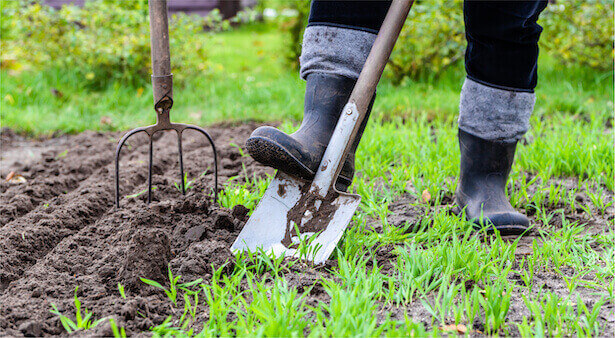
If the soil is very clayey, you’ll need to be patient! In spring they warm up slowly; in summer they are too hard and crack; in winter they are muddy. You’ll need to work the soil well, with a broadfork (grelinette) for example, or by digging in the fall. This soil is, however, generally very fertile, which is very useful for many plantings.
We will then plant the following vegetables:
- artichokes,
- eggplants,
- cardoons,
- chicory,
- cabbages (some varieties tolerate acidity),
- chives and scallions,
- spinach,
- green beans,
- mint,
- peas,
- dandelion,
- rhubarb,
- tomatoes,
- parsnips,
- cilantro (coriander),
- sage,
- pickling cucumbers.
Root vegetables are best avoided here.
Read next page: What to plant on alkaline soil?
Illustration bannière : Le PH a une grande influence aussi aux premiers stades de développement des plants © leungchopan
1 2