
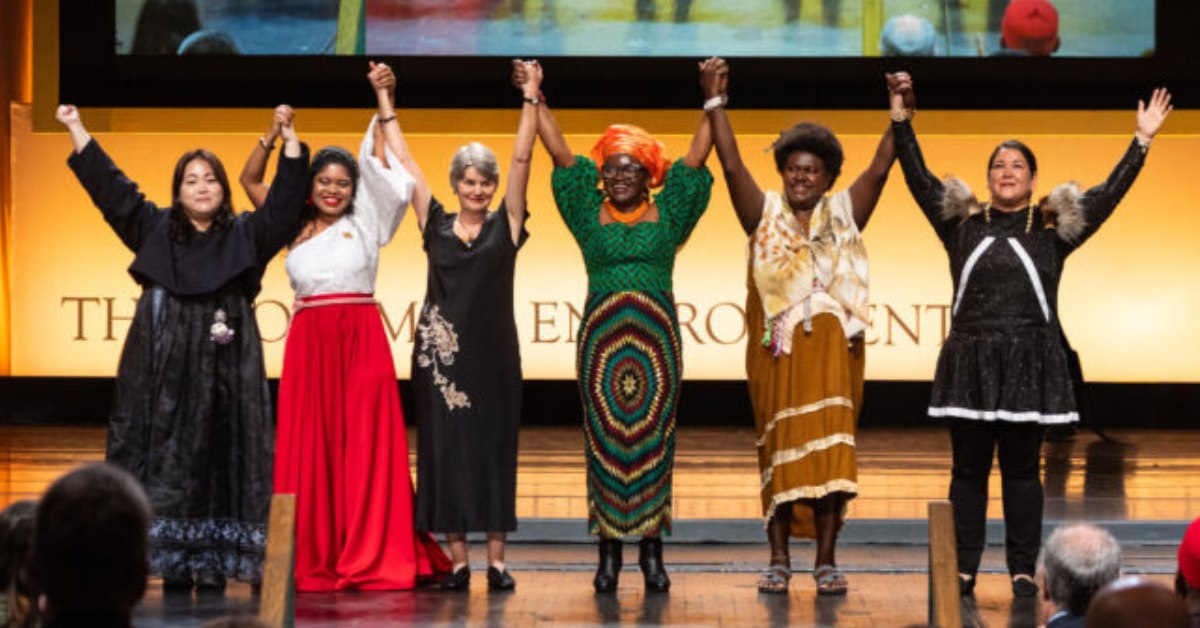
Dubbed by some as the “Green Nobel,” the Goldman Environmental Prize honors field activists who win real victories for the planet each year. The 2026 edition marks a historic turning point: for the first time since the prize was established in 1989, all six laureates are women. A powerful reminder that ecology is decided not only in international forums but also on the ground—in courts, in villages, in forests, and within local communities.
In the face of climate crises, biodiversity loss, and industrial pollution, these journeys show that local mobilization can still move the needle. And sometimes, it can even change national decisions.
A global prize for local battles
Each year, the Goldman Environmental Prize honors six individuals—one from each major region of the world. The principle is simple: to recognize those who take concrete action to protect natural resources, public health, or threatened ecosystems.
The 2026 laureates come from Nigeria, South Korea, the United Kingdom, Papua New Guinea, the United States, and Colombia. Six countries, six realities, but one shared trait: tenacity.
Sarah Finch: a legal victory against fossil-fuel projects
In the United Kingdom, Sarah Finch won a landmark case before the British Supreme Court. Going forward, authorities must factor in the future emissions from burning oil, gas, or coal when allowing certain new fossil-fuel projects.
A ruling that could set precedent well beyond the United Kingdom’s borders.
Iroro Tanshi: protecting bats and forests
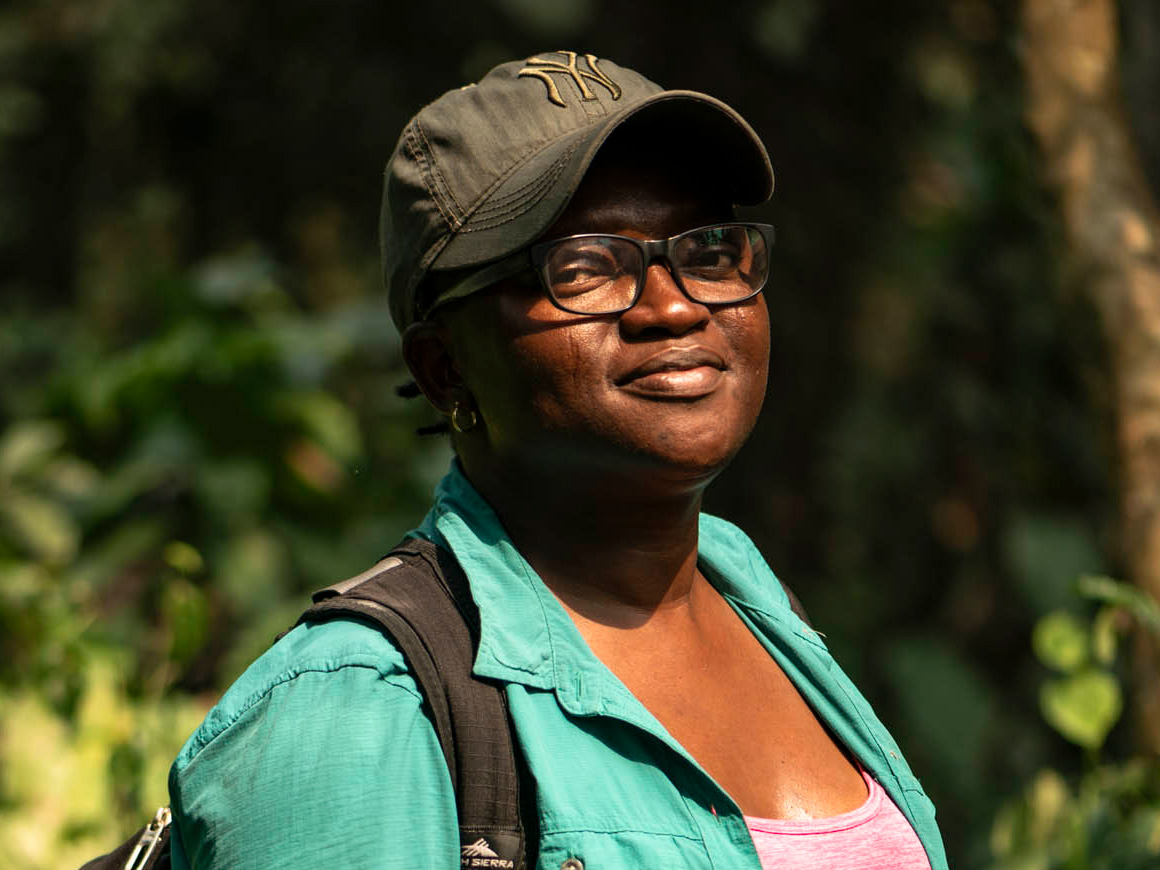
In Nigeria, ecologist Iroro Tanshi mobilized local communities to protect threatened bat colonies and their natural habitat. Her work also helped reduce certain wildfires and strengthen biodiversity awareness.
Proof that saving a single bat can help an entire forest.
Borim Kim: climate-justice youth heard by the courts
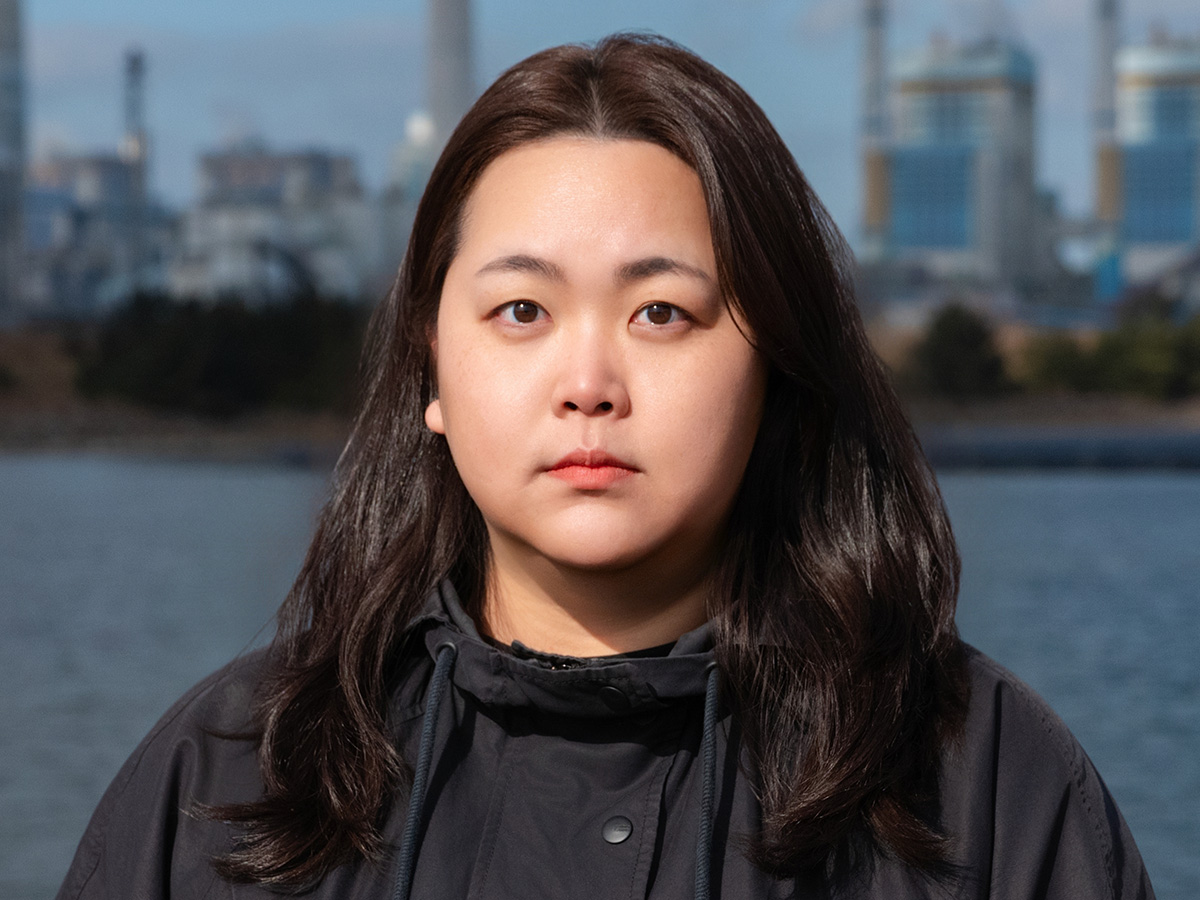
In South Korea, Borim Kim took part in a historic court case led by young people against climate inaction. The court recognized that insufficient public policies threaten the rights of future generations.
A strong signal to governments around the world.
Alannah Acaq Hurley: stopping a giant mine in Alaska
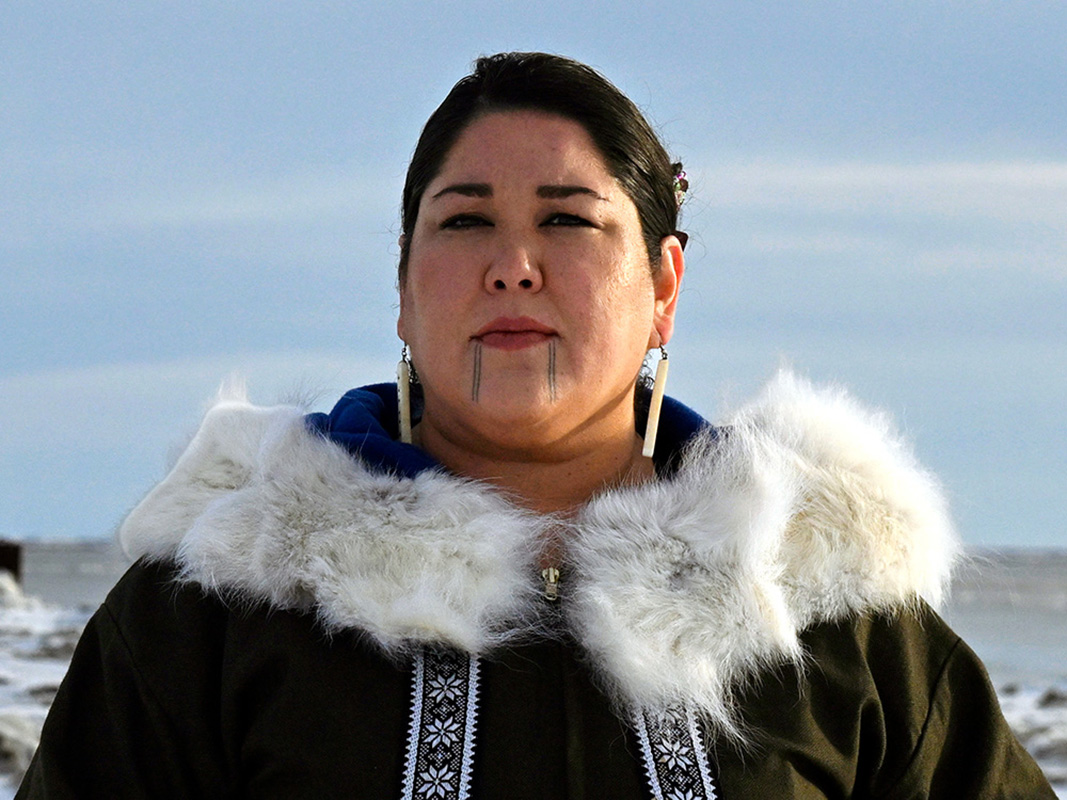
In the United States, Indigenous activist Alannah Acaq Hurley played a pivotal role in the abandonment of a massive mining project in Alaska’s Bristol Bay region. This landscape is home to one of the most important wild salmon spawning grounds, essential to biodiversity and to local communities.
Yuvelis Morales Blanco: saying no to hydraulic fracturing
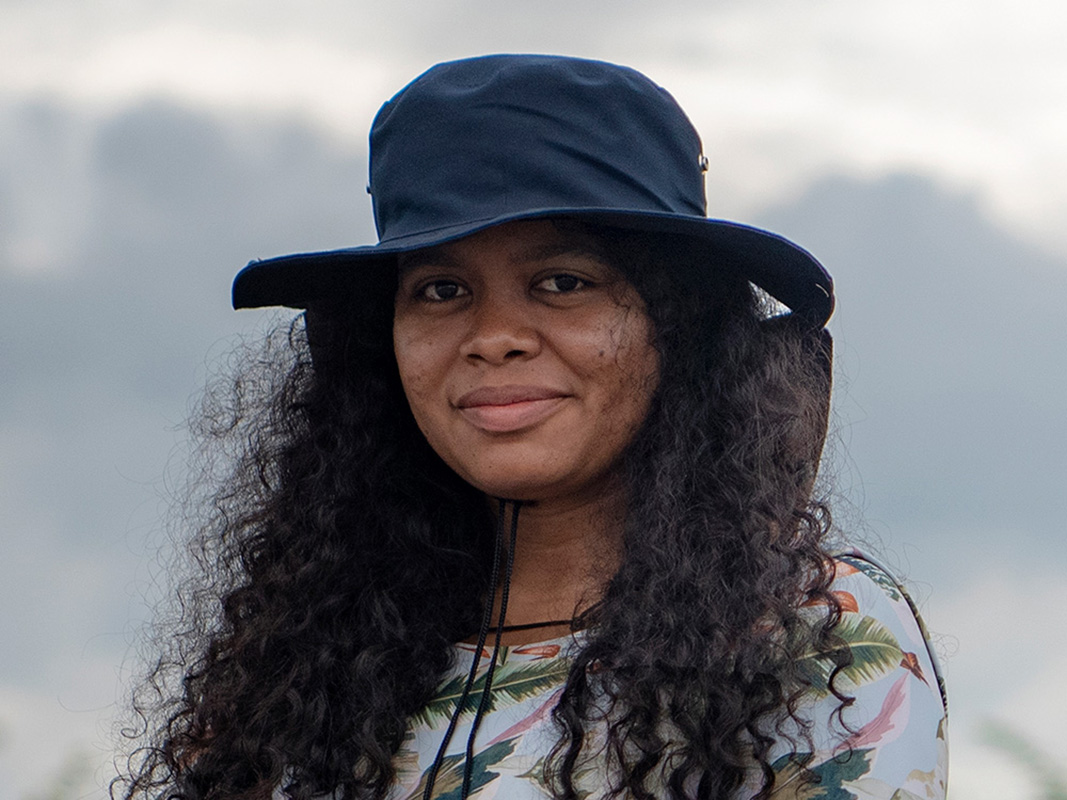
In Colombia, young activist Yuvelis Morales Blanco helped slow pilot hydraulic fracturing projects. A significant victory in a region where water, farming, and ecosystems remain especially vulnerable.
Theonila Roka Matbob: seeking redress for mining damage
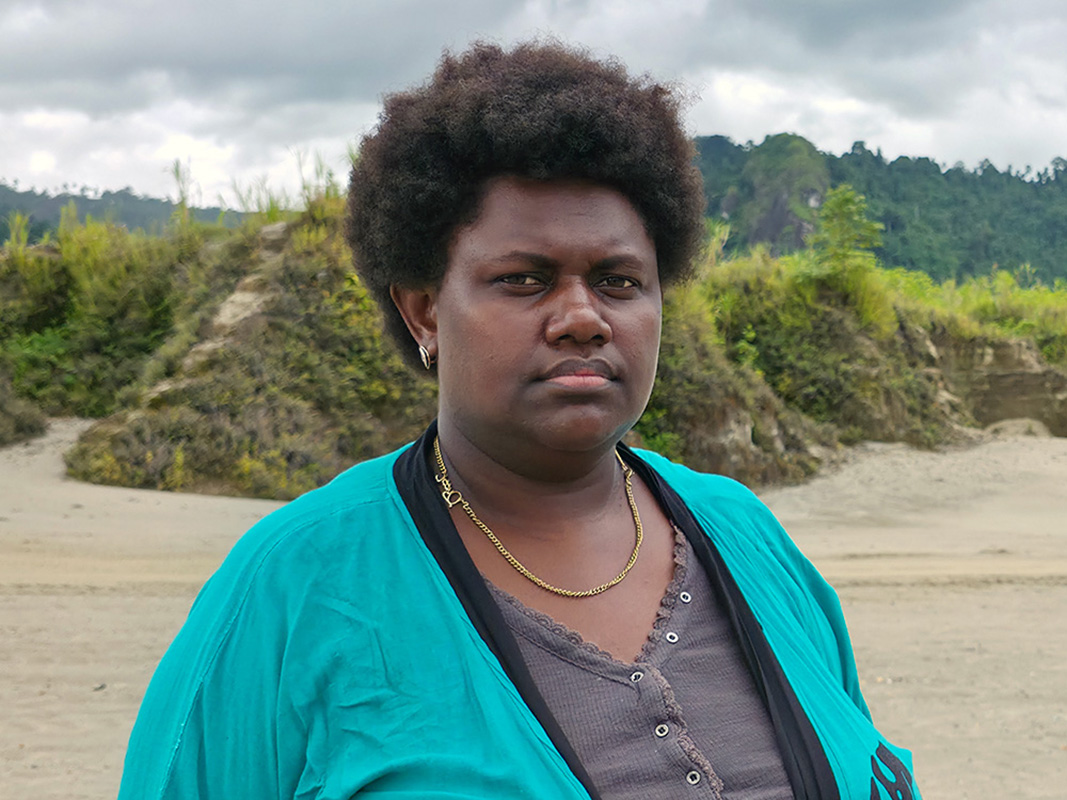
In Papua New Guinea, Theonila Roka Matbob secured an agreement with a mining group to address the environmental consequences of the Panguna site, long denounced for its impact on land and local populations.
Why this 2026 edition is making an impact
These six journeys remind us of a truth often overlooked: major ecological breakthroughs do not arise only from global summits. They also come from determined citizens who refuse to accept the unacceptable on their own turf.
Climate litigation, water protection, defense of Indigenous peoples, biodiversity preservation, and the fight against mining pollution—each local victory can inspire the world at large.