
Titled Hope, a Predictive and Transformative Science, this reference document analyzes how wildlife is changing across the globe and highlights the essential levers needed to reverse the trajectory of environmental decline.
Biodiversity decline is not inevitable
While pressures from human activities continue to threaten ecosystem balance, the report pragmatically demonstrates that targeted, large‑scale conservation policies can bear fruit and restore wildlife in a sustainable way. Globally, the Living Planet Index reveals an alarming 73% decline in the average size of monitored wild vertebrate populations (mammals, birds, fish, reptiles, and amphibians) between 1970 and 2022. This figure does not reflect the total extinction of species but rather a progressive collapse of numbers within the studied populations, and it masks substantial geographic disparities.
Tropical regions and Latin America bear the sharpest blows, with an 95% drop, while Africa records an 80% decline, the Asia-Pacific region 49%, North America 28%, and Europe and Central Asia 23%. These contrasts underscore the urgency of adopting protection strategies tailored to the specificities of each ecosystem.
Behind this sobering finding, the report emphasizes a fundamental point: about half of the vertebrate populations tracked by the Living Planet Index remain stable or are increasing. This reality proves that biodiversity decline is by no means inevitable. When rigorous and concerted conservation measures are implemented, wildlife possesses a real capacity to recover. The study highlights emblematic victories achieved in recent decades, such as the spectacular rebound of wild tiger populations, which has risen by more than 70% in fifteen years to around 5,700 individuals, as well as the remarkable recovery of bluefin tuna stocks and the historic shift in the status of the green sea turtle.
A historic window of opportunity
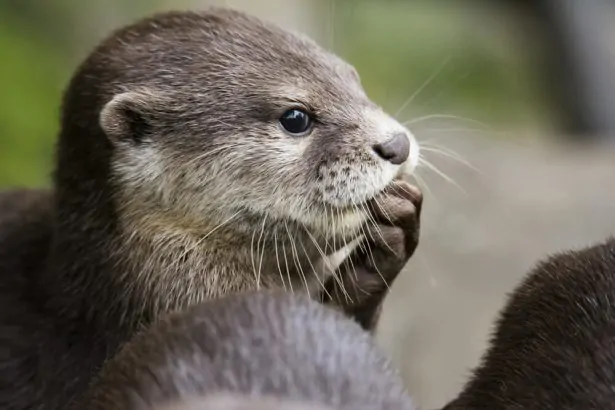
To explain and replicate these successes, the WWF formalizes the notion of “scientific hope,” defined as an active, structured process combining a clear objective, credible action trajectories, a sense of collective efficacy, and the resilience required to overcome obstacles. This approach demonstrates that conservation works when scaled up and rests on the active involvement of local communities, governments, and business players. From co‑managing Southern Africa’s elephant habitats to preserving nearby European habitats for hedgehogs and otters, local population engagement proves decisive in reconciling human activities with nature’s preservation.
Finally, the WWF report concludes with the absolute necessity of a global, systemic transformation of our societies to meet the Global Biodiversity Framework targets by 2030. Governments cannot act alone; a holistic approach encompassing society at large is required, prompting companies to alter their production models and investors to massively redirect their capital toward sustainable models. By tackling the root causes of environmental crises, chief among them fossil fuel energy production and land-use transformation, humanity has a historic window to build a future where nature and human development prosper together.
Learning about ordinary biodiversity to protect it better