
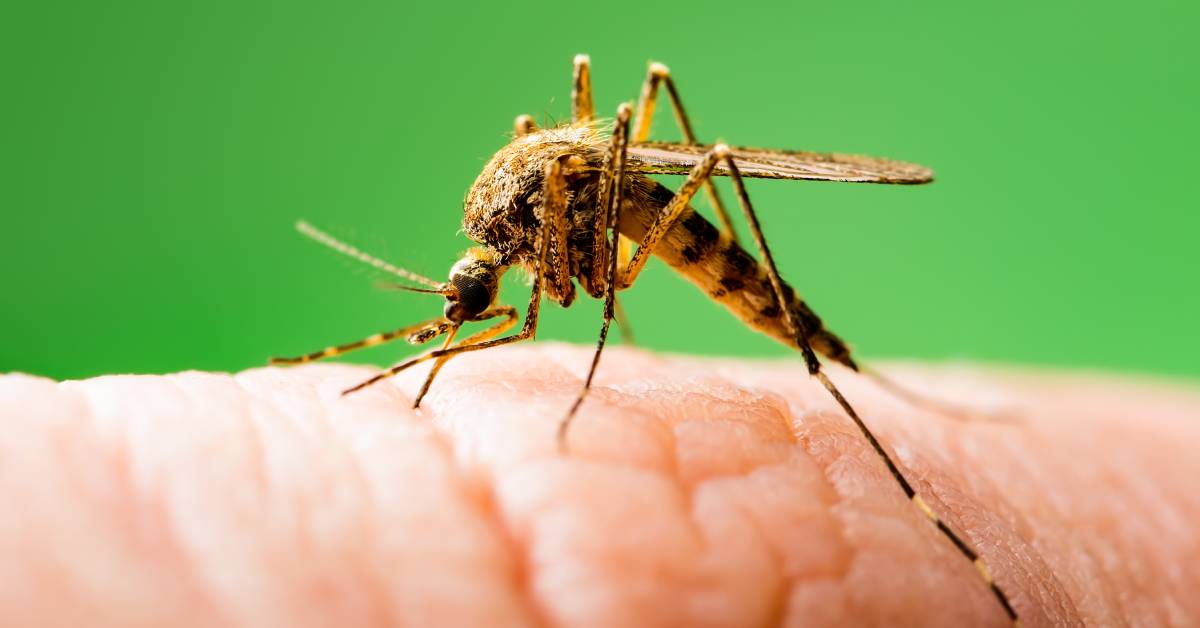
Chikungunya, a disease characterized notably by severe joint pains and fever, is no longer a distant risk. It is gradually taking hold in mainland France. In 2025, a locally acquired case was identified in the Var, evidence of local transmission, while around thirty similar cases have been reported since 2010. This development fits a broader pattern: more than 800 locally transmitted cases of mosquito-borne illnesses were recorded in 2025 in France, an unprecedented level. The viral spread is now described as “unprecedented” for the country.
Meanwhile, the tiger mosquito, the primary vector of chikungunya, continues its rapid expansion. Introduced in France in 2004, it is now established in the vast majority of the country. Santé publique France notes its presence in 81 departments, while ANSES had already counted 78 in 2024. This steady spread reflects a dynamic that is hard to halt.
Chikungunya: The Urgency of a Preventive Response
In the face of this threat, professionals in the field are sounding the alarm. Pest-control interventions — mosquitoes foremost — are rising sharply in France. This trend highlights mounting pressure on disinsection services. Yet experts advocate a paradigm shift. Rather than intervening only after cases appear, they recommend a preventive approach. The goal is to curb mosquito proliferation before they become disease vectors.
Public authorities already apply strict protocols. According to the Ministry of Ecological Transition, demobilization (mosquito control) operations are rapidly triggered around human cases to prevent any local transmission. These targeted interventions can be carried out in a matter of days, sometimes within three days after the detection of a suspected case.
Nevertheless, this reactive strategy is no longer enough. The geographic spread of the tiger mosquito requires constant vigilance. Urban areas, where standing water fosters larval breeding, are becoming prime hotspots. Mosquito treatments therefore must fit into a long-term preventive approach.
Tiger Mosquito and Asian Hornet: The Rise of Invasive Species
The spread of the tiger mosquito fits into a broader trend: the multiplication of invasive species in France. Among them, the Asian hornet represents another major source of concern. These species proliferate due to a combination of globalization and climate change. The tiger mosquito, in particular, is regarded as one of the most invasive insects in the world. Its adaptability allows it to rapidly colonize new territories.
Meanwhile, the Asian hornet disrupts ecosystems and threatens bee populations. Although its direct health impact differs from that of the tiger mosquito, its presence adds to the overall pressure exerted by pests.
This double development signals a profound transformation of the environment. Warmer winters and wetter spells foster the survival and reproduction of these species. As a result, the mosquito season now extends from spring through fall, potentially reaching into November.

A Long-Lasting Health Risk
Climate change plays a decisive role in this evolution. The mosquito season is intensifying and lengthening across Europe, creating conditions favorable to the transmission of viruses like chikungunya. Health authorities now deem the probability of outbreaks in France to be “quite high.”
In this context, pest management becomes a major public health challenge. Chikungunya, once confined to tropical regions, is gradually taking root in France’s health landscape. This shift calls for a rapid adaptation of public policies and individual behaviors.
Prevention rests notably on simple yet essential actions: eliminating standing water, installing protective devices, and using appropriate treatments. Without these measures, the tiger mosquito’s spread could continue to fuel the emergence of new transmission hotspots.