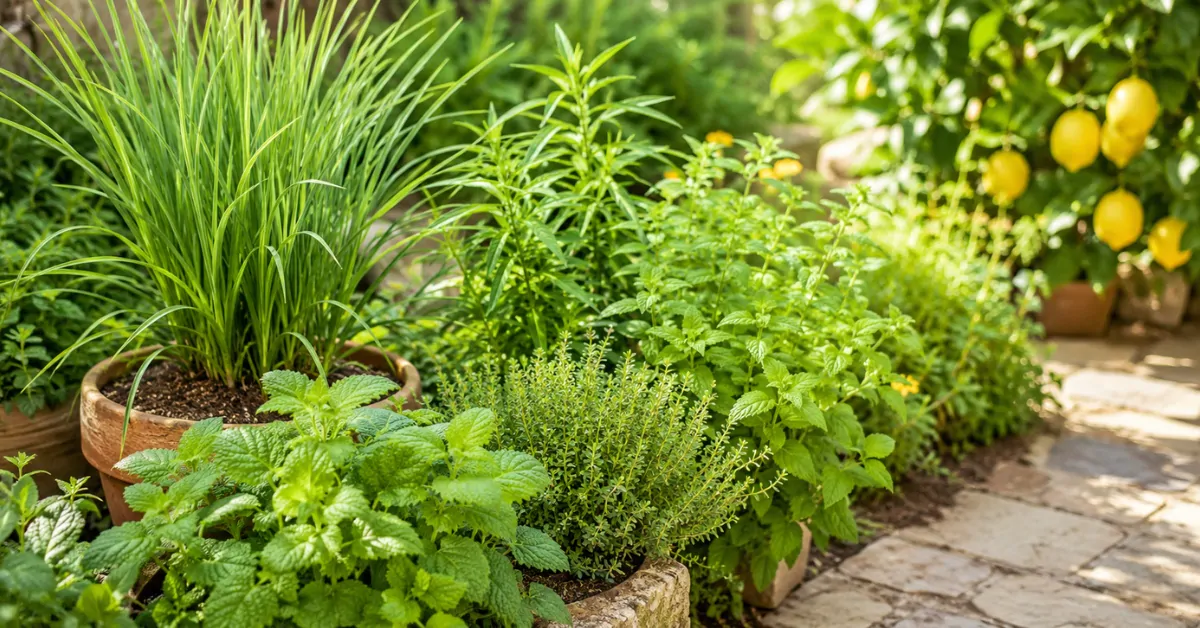
A lemon scent without a lemon tree? It’s entirely possible in the garden. Some aromatic herbs naturally release a fresh, zingy, and very pleasant aroma thanks to their essential oils. Lemon balm, lemon verbena, lemon thyme, lemon mint, or Madagascar lemongrass: these lemon-scented plants are easy to grow, useful in cooking, loved by pollinators, and often valuable for building a more sensory garden.
Why grow lemon-scented plants in the garden?
Lemon-scented plants have an immediate charm: crumble a leaf between your fingers and a fresh, invigorating scent is released. This aroma comes from aromatic compounds naturally present in their leaves, such as citral, citronellal, or limonene, depending on the species. These molecules give that lemony impression, sometimes with mint, thyme, rose, or verbena notes.
In the garden, these plants offer several benefits. They perfume the house surroundings, enrich borders, accompany vegetables in the kitchen garden, and provide a regular harvest of leaves for teas or cooking. Some, like lemon thyme, tolerate drought well. Others, like lemon balm, grow generously in cool corners.
They’re also interesting in a living garden. When they bloom, they can attract bees, bumblebees, and other pollinators. They naturally find their place in a productive, ecological, and pleasant-to-live-in garden.
Lemon balm, the easiest lemon-scented plant
The lemon balm, or Melissa officinalis, is arguably one of the easiest lemon-scented plants to succeed with. Perennial, hardy, and generous, it grows easily in the ground as well as in a pot. Its soft green foliage releases a gentle lemon scent, ideal for homemade infusions.
Comment cultiver la mélisse citronnelle ?
La mélisse apprécie les sols frais, riches et bien drainés. Elle pousse au soleil doux ou à la mi-ombre, ce qui la rend pratique dans les jardins qui ne bénéficient pas d’un ensoleillement brûlant toute la journée. Une fois installée, elle revient chaque année.
- Exposition : soleil léger ou mi-ombre.
- Sol : frais, souple et enrichi en compost.
- Arrosage : régulier en pot, surtout en été.
- Récolte : de mai à octobre, avant la floraison pour un parfum plus intense.
Attention toutefois : la mélisse peut se ressemer facilement. Pour éviter qu’elle ne prenne ses aises, mieux vaut couper les fleurs fanées avant la montée en graines. En pot, elle reste plus facile à contrôler.
The lemon verbena, the queen of fragrant herbal teas
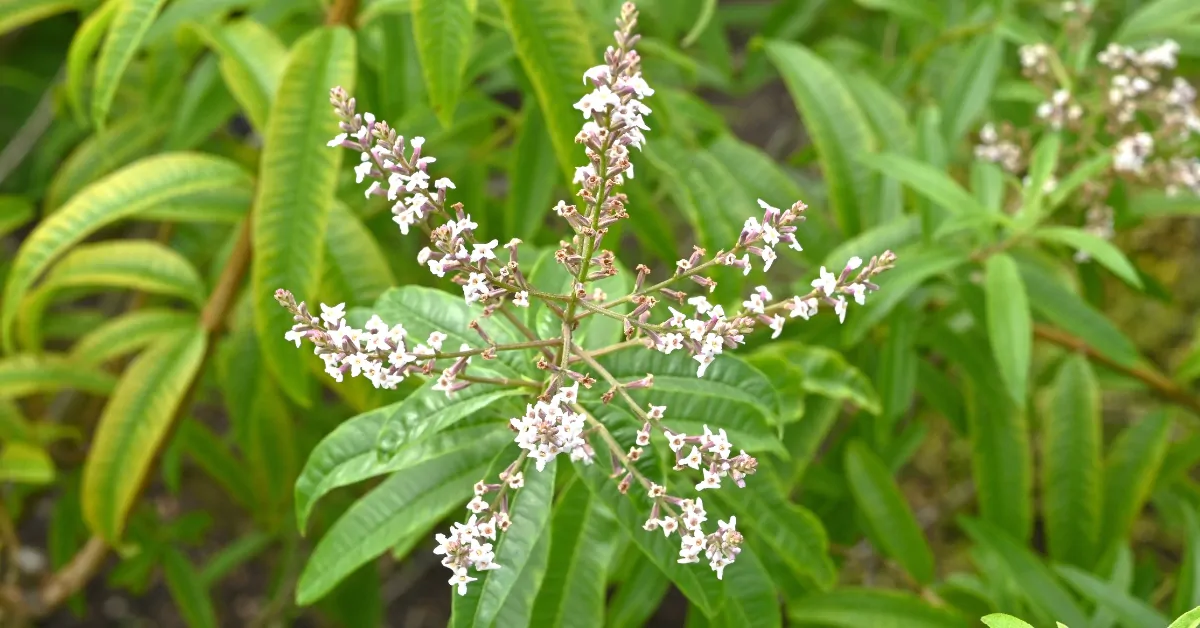
The lemon verbena, also called Aloysia citrodora, captivates with its powerful, elegant lemon aroma. It’s one of the best plants for preparing digestive and highly aromatic herbal teas. Its elongated leaves are also delicious in desserts, fruit salads, or scented waters.
One lemon-scented plant to protect from the cold
Unlike lemon balm, lemon verbena is somewhat more cold-hardy. It can live several years, but fears strong frosts. In regions with cold winters, it’s best grown in a pot that you bring into a sunroom, a cold greenhouse, or a bright frost-free place.
- Exposure : full sun.
- Soil : light, fertile, and well-drained.
- Watering : moderate, without waterlogging.
- Protection : thick mulch or overwintering in a pot.
To harvest lemon verbena, pick the leaves as needed, then dry them in the shade in a well-ventilated area. They will retain their fragrance better in an airtight jar, away from light.
Lemon thyme, perfect for dry gardens
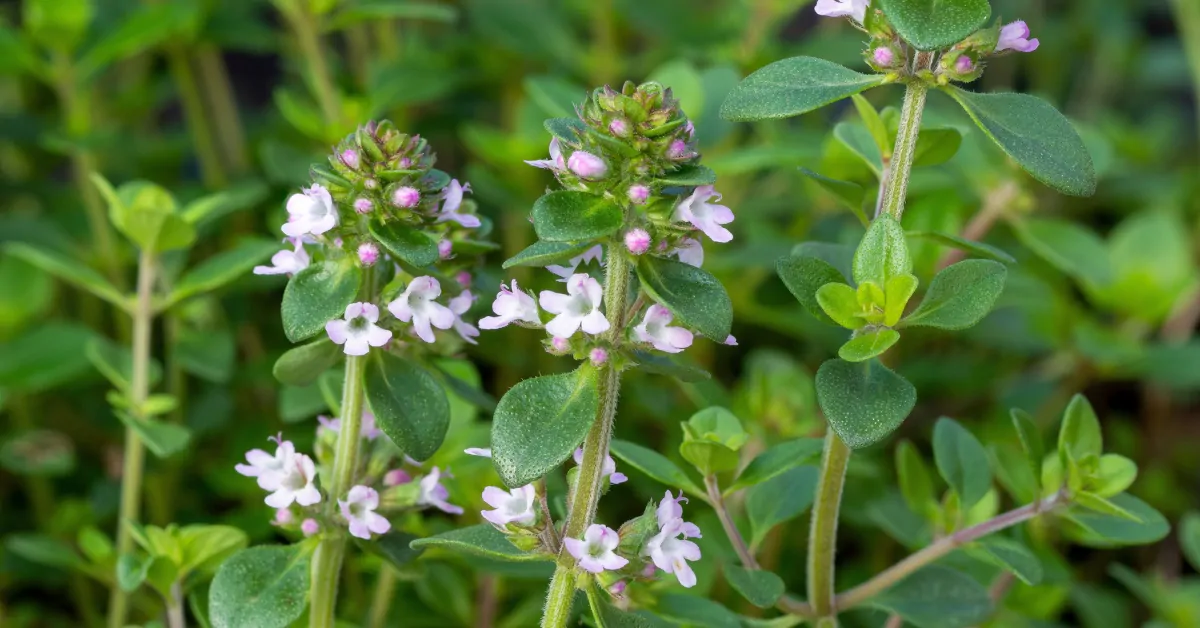
The lemon thyme, or Thymus citriodorus, is an excellent aromatic plant for sunny gardens and poor soils. Its evergreen foliage releases a lemon scent blended with the classic thyme. It is decorative, drought-tolerant, and very useful in cooking.
It pairs wonderfully with roasted vegetables, marinades, potatoes, light sauces, or Mediterranean dishes. In the garden, it forms small, compact clumps that can border a path, a vegetable bed, or a rock garden.
How to grow lemon thyme?
Lemon thyme needs mainly sun and well-drained soil. It does not like heavy, damp, compact soils, especially in winter. If your soil retains water, plant it on a small mound or add coarse sand and gravel at planting time.
- Exposure : full sun.
- Soil : dry, calcareous, or stony, always well-drained.
- Watering : low once established.
- Care : light pruning after flowering to keep a compact clump.
Lemon thyme is particularly interesting in gardens with hot summers. It fits well into a water-sparing garden approach, while offering highly appreciated flowering for pollinators.
Lemon mint, fresh but to keep in check
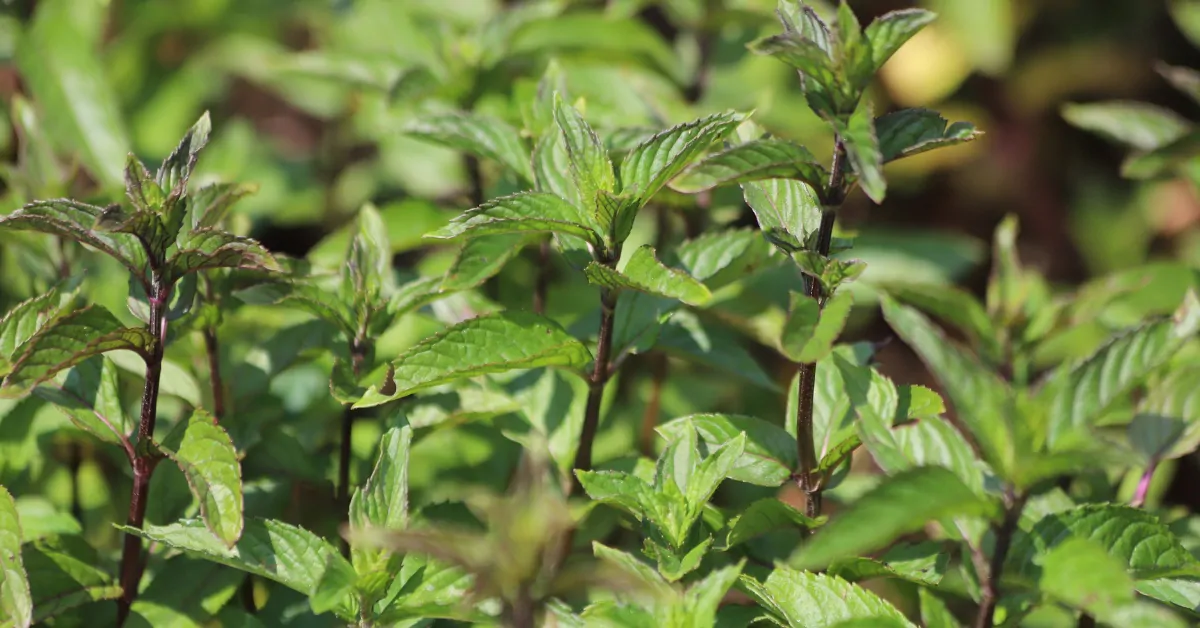
The lemon mint is among the most pleasantly scented mints. Its aroma combines a mentholic freshness with a bright citrus note. It’s perfect for cold drinks, salads, yogurt sauces, tabbouleh, or summer herbal teas.
But like many mints, it can be invasive. Its rhizomes spread quickly and take over available space. To avoid surprises, it’s best grown in a pot or in a contained planting area.
Bien contenir la menthe citron au jardin
- Install in a large perforated pot, with rich and fresh potting soil.
- Place it in partial shade if summers get very hot.
- Water regularly to keep the foliage tender.
- Pinch it often to stimulate new growth.
- Avoid planting it freely in the middle of a small bed.
The lemon mint is a great candidate for a herb corner near the kitchen. Snip a few leaves at the last moment, just before use, to fully enjoy their scent.
Madagascar lemongrass, useful but chilly
The Madagascar lemongrass, or Cymbopogon citratus, is a tall aromatic grass with an intense lemon fragrance. It’s widely used in Asian cuisine, especially in soups, broths, curries, and marinades. In the garden, it provides a striking silhouette with long ribbon-like leaves.
In continental France, it is mostly grown in pots because it cannot tolerate frost. It loves warmth, sun, and regular watering during the growing season. It can spend the summer outdoors, then be brought inside before the cold weather arrives.
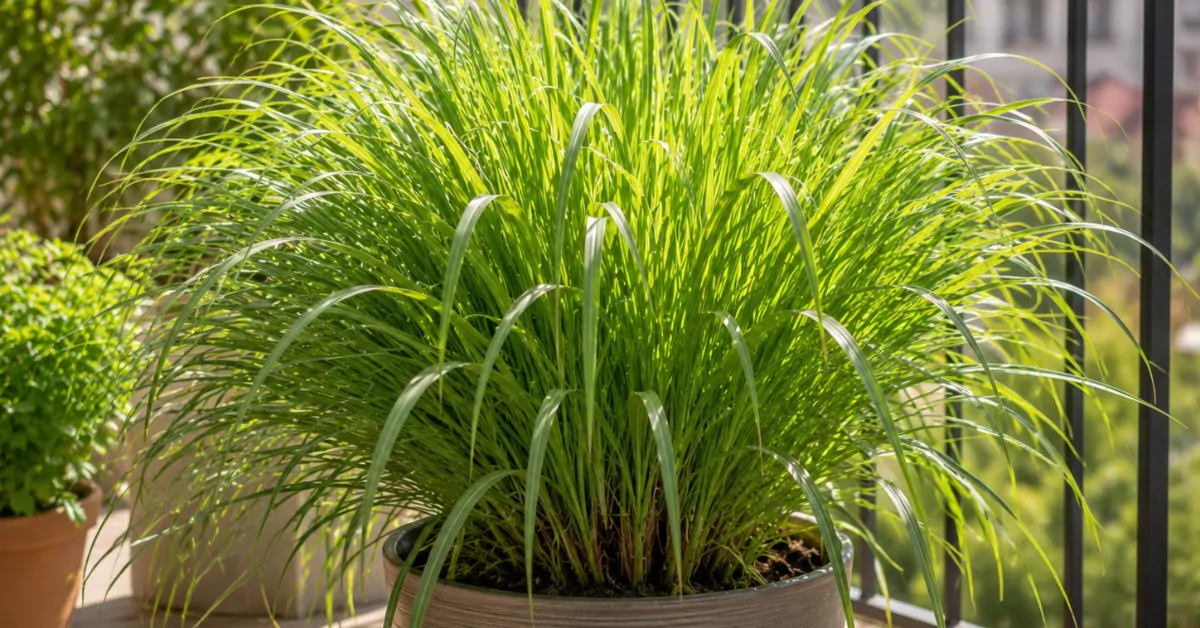
Les bons gestes pour cultiver la citronnelle
- Exposition : plein soleil et chaleur.
- Culture : en pot dans la plupart des régions.
- Substrat : riche, drainant et maintenu légèrement frais.
- Hivernage : pièce lumineuse, serre ou véranda hors gel.
- Récolte : base des tiges, à couper selon les besoins.
Contrairement à une idée fréquente, planter de la citronnelle ne suffit pas à transformer le jardin en zone totalement protégée contre les moustiques. Son parfum peut être agréable et son huile essentielle est connue pour son odeur caractéristique, mais l’effet répulsif au jardin reste limité si la plante est simplement posée en pot sur la terrasse.
Other lemon-scented plants to discover
The world of lemon-scented plants isn’t limited to the big classics. Several herbs offer citrus notes that are interesting for diversifying the garden, herbal teas, and dishes.
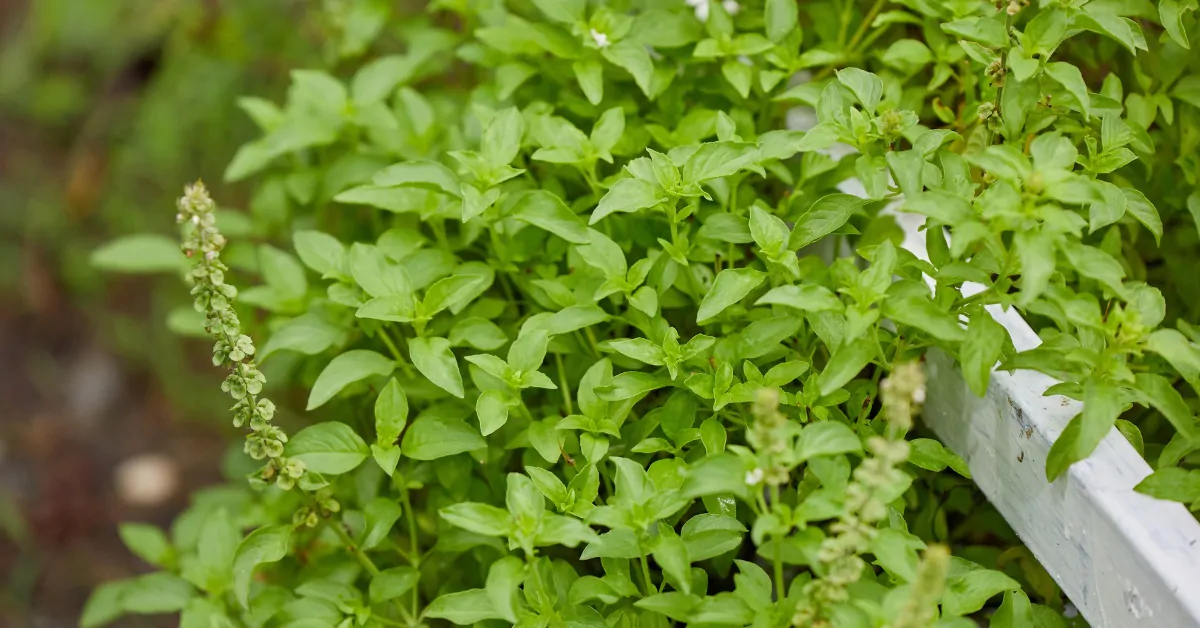
Lemon basil
The lemon basil is an aromatic annual, ideal for summer cooking. It loves warmth, mild sun, and regular watering. Its leaves pair very well with tomatoes, salads, fish, red berries, or simple desserts.
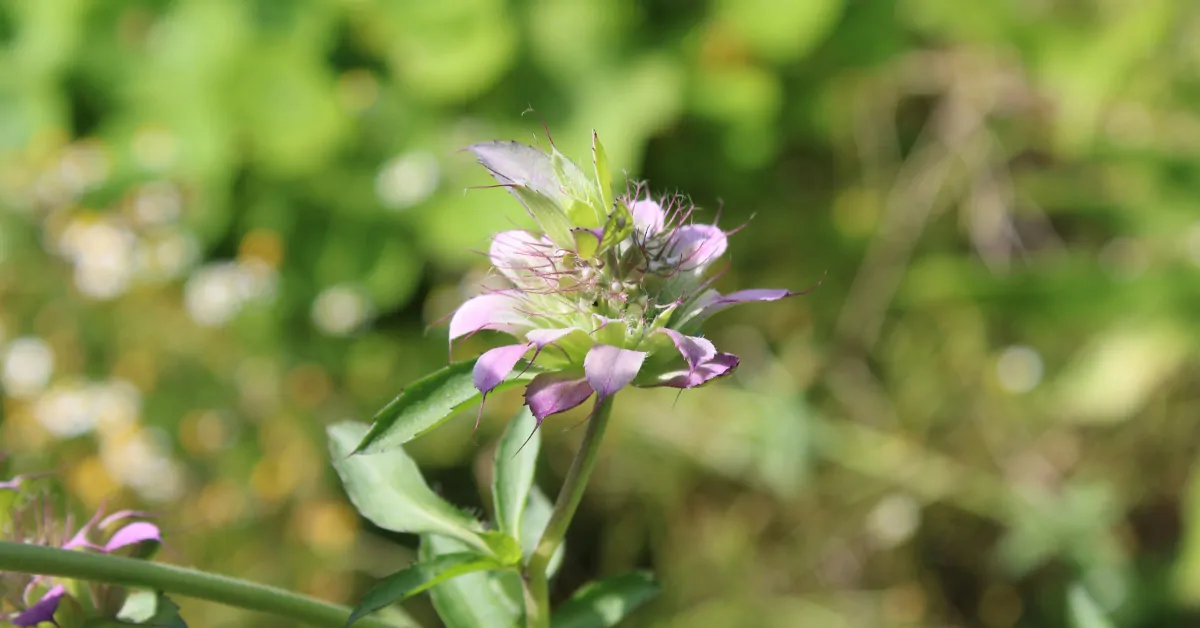
Lemon bee balm
The lemon bee balm is an unusual plant, appreciated for its decorative flowers and aromatic foliage. It attracts pollinators and adds a wild touch to borders. It prefers cool, well-lit soils without excessive drought.
The lemon-scented savory
Less known, the lemon-scented savory offers a subtle, peppery and lemony aroma. It is grown like many Mediterranean herbs: in full sun, in light, airy soil. It pairs well with dried beans, grilled vegetables, and slow-cooked dishes.
The lemon-scented geranium
The lemon-scented geranium, or pelargonium odorant, is mostly grown in pots. Its fragrant foliage releases a lemony scent when touched. Very decorative, it fits on a sunny terrace, but must be brought indoors before frost in winter.
Where to plant lemon-scented plants in the garden?
To successfuly create a lemon-scented corner, start by observing exposure. The Mediterranean plants like lemon thyme or lemon savory prefer dry soils and full sun. The rain-loving plants, such as lemon balm or lemon mint, prefer a cooler soil and shade that isn’t too harsh.
The best approach is not to plant them all in one spot. A well-thought-out herb garden can bring together several zones:
- a dry, sunny corner for lemon thyme, lemon savory, and rock garden plants;
- a cool, semi-shady corner for lemon balm and lemon mint;
- mobile pots for lemon verbena, Madagascar lemongrass, and lemon-scented geraniums;
- a trough near the kitchen for easy daily leaf harvest.
Gardening tip: plant the lemon-scented herbs near a walkway, a terrace, or a bench. Their fragrance is released with touch, after rain, or when lightly pruned. It’s the best way to really enjoy them.
How to care for lemon-scented plants naturally?
These plants require little maintenance when placed in the right spot. The most important thing is to tailor watering to each species. Too much water can cause lemon thyme to suffer, while too little water will make lemon mint look less lush and tougher.
The right care steps
- Lightly mulch plants that like cooler soils, such as lemon balm and lemon mint.
- Avoid overly wet mulch at the base of lemon thyme, which prefers dry soil.
- Regularly prune the tips to promote dense foliage.
- Remove lemon balm flowers if you want to limit self-seeding.
- Bring frost-sensitive plants indoors before the first frosts.
- Harvest in the morning, after the dew has evaporated, to enjoy a more concentrated scent.
A spring application of mature compost usually suffices for the most demanding plants. Mediterranean aromatics, however, often prefer lean soils. Too much fertilizer can encourage leaf growth at the expense of fragrance.
Can you create a dedicated lemon-scented bed?
Yes, as long as you group plants according to their needs. For a durable in-ground bed, pair plants that like the same conditions. For example, lemon thyme, lemon savory, and some creeping thyme can form a dry, scented border. Conversely, lemon balm, lemon mint, and lemon bee balm will be more comfortable in a cool, moister soil.
For tender species, a pot is the best solution. It lets you move plants with the seasons and protect them in winter. It’s also convenient for balconies, where you can create a real mini lemon-scented garden with a few well-chosen containers.
Common mistakes with lemon-scented plants
These aromatics are often easy to grow, but a few mistakes can compromise their growth or aroma. The most common is planting all species in the same bed without considering their water and sun needs.
- Planting lemon mint in the ground without a rhizome barrier.
- Leaving lemon verbena outside in a hard freeze.
- Overwatering lemon thyme in poorly drained soil.
- Setting Madagascar lemongrass in shade or in too-small a pot.
- Harvesting too late, when leaves are tough or less fragrant.
- Adding too much fertilizer, which can dilute the aroma.
The right approach is to group by needs: dry-soil plants, moist-soil plants, and frost-tender plants to overwinter. This simple organization greatly helps avoid disappointment.
Which lemon-scented plants to choose for your garden?
For a balcony, choose lemon verbena, lemon mint, lemon basil, and the lemon-scented geranium. These plants do quite well in pots, provided you water regularly and protect the more fragile varieties in winter.
For a dry garden, go with lemon thyme, lemon savory, and creeping thyme. They tolerate watering lapses and suit rockeries, borders, and sunny slopes.
For a family garden, lemon balm is a must-have. It grows easily, harvests often, and delights kids with its gentle scent. Lemon mint is also very playful, but should stay under control.
For an aromatic kitchen garden, pair several species around vegetables, without crowding the most delicate crops. Lemon-scented plants will bring fragrance, diversity, and flowers that are useful to pollinators.
A lemon-scented garden, beautiful, useful, and easy to live with
Lemon-scented plants have everything going for them: they smell wonderful, most are easy to grow, and they offer numerous everyday uses. They help create a more sensory garden, where you not only look at the plants but also touch, smell, and harvest them with pleasure.
From generous lemon balm to drought-tolerant lemon thyme, from the fragrant lemon verbena to exotic Madagascar lemongrass, each plant has its own character. The secret is simple: choose the right plant for the right spot. With a few pots, a sunny corner, and a little care, the garden quickly takes on the scent of lemonade—without added sugar or packaging to throw away.