It’s the perfect season to make homemade nettle tea. This plant-based maceration, well known to natural gardeners, can help strengthen plants, boost their growth, and reduce pressure from unwanted pests such as aphids or mites. All that remains is to prepare it properly, dilute it correctly, and not use it haphazardly.
Nettle tea is part of the so‑called low-risk natural preparations, or PNPP. It is permitted in gardens when prepared according to the official recipe. Its value lies mainly in its richness in nitrogen, minerals, and trace elements, as well as its traditional use as a spray against certain pests. Here’s how to make it and use it without mistakes.
What to remember
- The nettle tea is prepared with young nettles not yet flowering.
- The basic recipe calls for 1 kg of fresh nettles for 10 liters of water.
- It is used always diluted on the leaves or at the base of the plants.
- It does not replace good garden observation or preventive care.
- Avoid applying it to plants that are flowering.
Nettle Tea: A Natural Ally Against Aphids and Mites
The nettles tea is a maceration of nettle leaves in water. Used for a long time in organic gardening, it serves as a natural garden preparation, a plant stimulant, and, in some cases, a help against aphids or mites.
However, you should not present it as a miracle product. Its effectiveness depends on the concentration, the freshness of the preparation, the infestation stage, and the plant involved. As a preventive measure or at the first signs of trouble, it can be useful. In the case of a massive invasion, it’s best to complement with other simple actions: a water jet on aphid colonies, encouraging ladybugs, removing heavily affected parts, or spraying with properly dosed black soap.
Two Major Uses in the Garden
Nettle tea has mainly two benefits for gardeners:
- Strengthening plants with a natural supply rich in nitrogen, minerals, and trace elements.
- Helping to limit certain pests, especially aphids and mites, when used as a diluted spray.
It can also be used as a compost activator. In that case, use it undiluted, in small amounts, directly on the compost heap to boost microbial activity.
How to Make Homemade Nettle Tea?
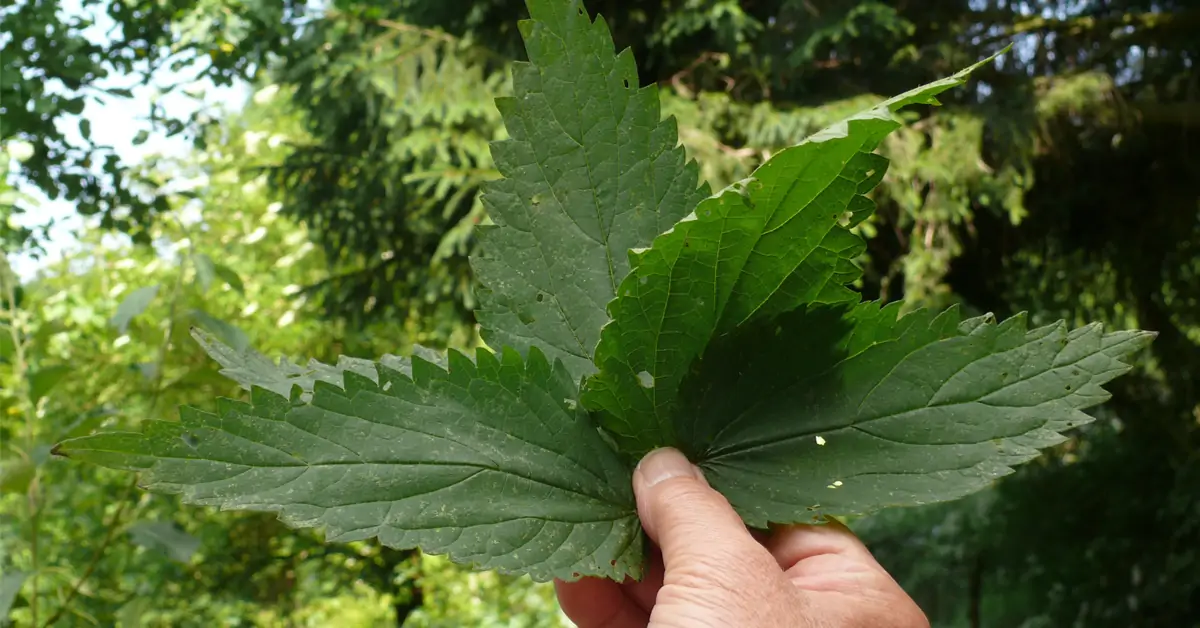
To prepare a good nettle tea, choose young, vigorous nettles that are not yet flowering and harvest them away from roads or polluted areas. Wear thick gloves, because nettle stings pack a punch.
The Simple Nettles Tea Recipe
- 1 kg fresh young nettle leaves and stems
- 10 liters rainwater or spring water
- 1 plastic, wooden, or stoneware container
- 1 stick for stirring
- 1 cloth, a non-airtight lid, or a fine grid
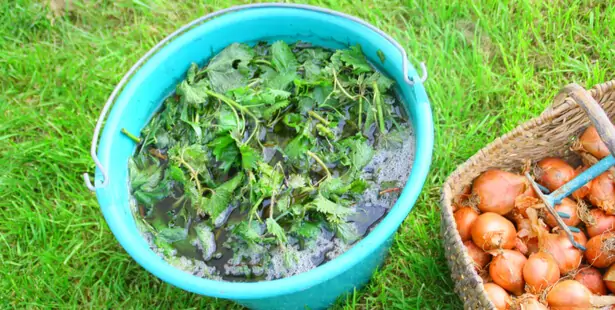
Chop the nettles roughly to encourage fermentation, then place them in the container. Add 10 liters of water, mix, then cover loosely. Let it macerate in the shade, in a well-ventilated spot, stirring daily. When fermentation is finished, carefully strain to avoid clogging the sprayer.
How Long Should You Let the Nettles Tea Macerate?
The duration depends on temperature and the intended use. The warmer it is, the quicker the fermentation. During maceration, bubbles rise to the surface: that’s normal. When they disappear, the main fermentation is complete.
- For a mainly insect-repellent or fungicidal use: a short maceration of 3–4 days around 68°F (18°C) may be enough.
- For a fermented nettle tea used as a stimulant or fertilizer: plan 1–2 weeks, depending on the temperature.
- In cool weather, fermentation may take longer.
A well-made nettle tea should smell strong, but it should not give off a frankly rotten odor. If the smell becomes unbearable, it’s usually a sign of excessive fermentation, insufficient stirring, or an inappropriately shaped container.
How to Use Nettles Tea in the Garden?
Nettle tea should not be used undiluted on the foliage. If concentrated, it can burn the leaves or disturb the plant’s balance. The golden rule is simple: always dilute before spraying or watering.
As a Natural Fertilizer at the Base of Plants
To support heavy feeders like tomatoes, zucchini, eggplants, or cabbage, dilute the nettle tea to about 10–20%. That means roughly 1–2 liters of nettle tea per 10 liters of water.
Water at the base, onto soil that is already moist, preferably in spring or at the start of growth. Avoid applying too late or too frequently: too much nitrogen encourages leafy growth at the expense of flowers and fruit.
Against Aphids and Mites
When aphids or mites are present, use a short, diluted maceration in a fine spray on the leaves, including the undersides where pests often hide.
- Recommended dilution: about 1 liter of filtered nettle tea per 5–10 liters of water.
- Application: early morning or evening, never in bright sun.
- Frequency: repeat as needed, watching how the plants respond.
For aphids, you can also complement with these natural aphid-control tips. Natural gardening usually works best with a combination of measures, not a single remedy: it’s the sum of actions that makes the difference.
As a Preventive for Certain Diseases
Nettle tea is sometimes sprayed on soil or foliage to help plants resist certain fungal diseases, such as late blight. Again, be prudent: it won’t cure a plant that’s already severely infected, but a vigorous plant may resist better under good cultural conditions.
For this use, dilute about 1 liter of tea in 10 liters of water, then spray on dry days, away from intense heat and outside of flowering periods.
Common Mistakes to Avoid with Nettles Tea
Natural does not mean risk-free. Nettles tea is useful, but it can become counterproductive if mis-dosed or applied at the wrong moment.
Don’t Use It Undiluted on Leaves
Concentrated nettle tea is too rich for foliage. It can cause burns, especially on new growth, fragile plants, or in hot weather.
Don’t Spray in Direct Sunlight
As with many liquid garden preparations, apply in the early morning or in the evening. In bright sun, droplets can increase plant stress.
Avoid Flowering Plants
Regulations recommend avoiding applications on flowering plants, because nitrogen promotes leaf growth at the expense of flowering. This is especially true for tomatoes, zucchinis, roses, and flowering ornamental plants.
Don’t Overdo It
Excessive nettle tea can lead to very leafy growth that may be more attractive to some pests. A moderate, regular input is better than a highly concentrated soak.
How to Store Nettles Tea?
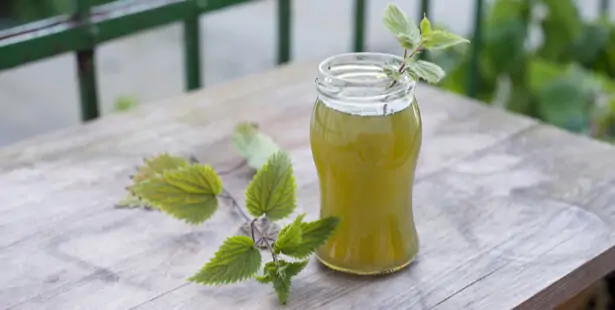
Once filtered, pour the nettle tea into clean, preferably opaque, containers, well sealed and clearly labeled. Store them in a cool place, away from light and out of reach of children or pets.
Avoid metal containers, which can react with the preparation. A food-grade plastic jug or a thick glass bottle is a better fit. If fermentation restarts, open cautiously to relieve pressure.
Why Keep Nettles in the Garden?
Before pulling everything out, keep a small patch of nettles at the back of the garden. They support biodiversity and serve as host plants for several butterflies, including the Painted Lady, the Small Tortoiseshell, the Peacock, and the Map butterfly. Caterpillars find food there before becoming the colorful visitors we love to watch nectaring.
So nettles prove doubly useful: they feed the soil when transformed into nettle tea, and they also nourish part of the garden’s wildlife when allowed to grow in a managed space.
Nettle Tea: The Right Idea, with the Right Dosage
Nettle tea deserves a place in the natural gardener’s toolkit. It helps stimulate plants, can support the fight against aphids and mites, and brings value to a plant that’s often unfairly disliked. But its effectiveness rests on three conditions: clean preparation, an appropriately diluted solution, and sensible use.
In the garden, the best treatment often remains observation. A little nettle, a few ladybugs, a living soil, and well-established plants often beat a string of treatments, even natural ones.

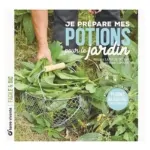
12 essential and very common plants, such as garlic, comfrey, nettle, or tansy, along with 18 simple, natural, and affordable products to prepare the potions needed for a healthy and productive garden.
Discover on Cultura.com
- Merrien, I. Par Laure, and Patrice Marchand. « L’extrait d’ortie, multi-usages en protection des plantes. »
- Merrien, I. Par Laure, and Patrice Marchand. « L’extrait d’ortie, multi-usages en protection des plantes. »