
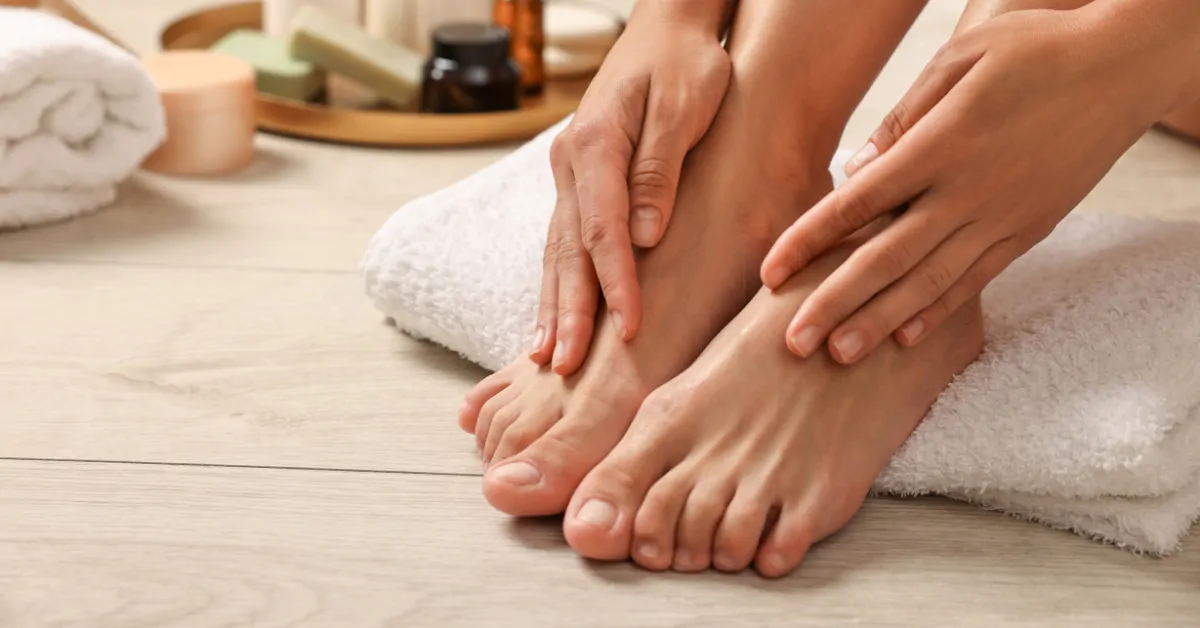
While we spend a lot of time taking care of our face, our feet often get overlooked. Yet dry, cracked feet are not only unattractive but uncomfortable. How can you repair the damage and take care of your feet naturally, year‑round?
Feet deserve proper care, year‑round
Each season brings its own range of stresses to our extremities. In winter, dehydration, biting cold, and the rubbing of closed-toe shoes smother and damage the skin deep down.
Conversely, once summer arrives, sun exposure, sand, and open-toed footwear increase drying. It’s often during this seasonal shift that we notice the cumulative damage: dry skin, calluses, or cracked heels…
That’s why taking action becomes urgent! Moreover, pampering your feet is a real moment of well-being and self‑connection. To soothe damaged feet, a few simple habits remain essential: massage them, remove dead skin, and, above all, moisturize daily.
The Essential Hydration for Feet
The skin in this area is notably thick. Moreover, its epidermis is completely devoid of sebaceous glands. That’s precisely why the feet are naturally dry and sensitive to weather changes. It is therefore crucial to hydrate your feet properly and daily to preserve their suppleness.
Although there are many specific creams on the market, they sometimes contain toxic substances or endocrine disruptors. As an eco-friendly alternative, know that vegetable oils and raw butters prove just as effective and gentle on your health.
Each oil has unique virtues. To nourish the skin of the feet, three vegetable oils stand out particularly:
- Castor oil nourishes the epidermis deeply. It is also known for its ability to treat corns and warts. However, note that this oil is not recommended for children or pregnant women.
- Olive oil and sweet almond oil will soften the skin pleasantly, quickly, and effectively.
Furthermore, if your feet are really very dry, vegetable butters such as shea butter are your best allies. This rich treatment is perfect in a thick layer under socks in winter. In summer, it repairs the skin after a day at the beach.
While you’re at it, treat yourself to a gentle massage. This simple gesture promotes total relaxation while actively stimulating blood circulation.
You don’t need to be a professional to feel the benefits. Start, for example, with circular motions pressing with the thumbs, from the toes toward the heels. Then perform upward pressures, from the ankles to the toes, to encourage venous return.
DIY Recipe: Make an Intensive Hydrating Balm
To concoct this restorative treatment, mix in a bowl:
- 4 tablespoons olive oil (nourishing)
- 1 tablespoon raw honey (healing and humectant)
- 1 tablespoon fresh lemon juice (antiseptic and smoothing)
Apply this blend by massaging generously. Then wrap with a clean bandage or reusable wrap around the foot. Put on old cotton socks to let the balm work for an hour, or ideally overnight. Finally, rinse with warm water.
Foot Exfoliation: The Skin Renewal Step
Exfoliation is an essential step to rid feet of dead skin cells and prevent thick calluses. For this, many natural recipes exist. Here are two very simple formulations to try at home.
Gentle Oats Scrub:
Oats are globally renowned for their soothing, anti-irritant, and highly moisturizing properties.
- 1 tablespoon finely ground oats;
- 1/2 teaspoon coarse sea salt;
- 1 tablespoon lavender or rose water.
Nourishing Honey Scrub:
Honey is a beauty essential, with antibacterial and 100% natural properties.
- 3 tablespoons raw liquid honey;
- 2 tablespoons brown sugar;
- 1 fresh egg.
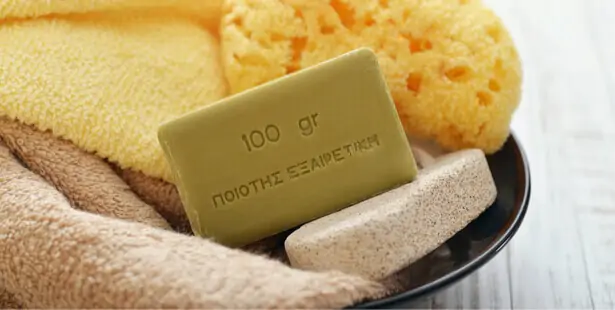
For preparation, mix all ingredients in a container. Apply with gentle circular motions on damp skin, then rinse thoroughly with warm water.
If your feet are very rough, don’t hesitate to remove established calluses with a natural pumice stone. This exfoliating tool will gently remove the stubborn skin. Use the stone preferably after a shower or a good foot soak, so the skin has had time to soften, especially on the heels.
Preventive Care for Feet in Good Health
Now that your feet have regained their softness, adopt these preventive habits. They’ll help you keep healthy feet year-round:
- Dry your feet thoroughly after every shower. Pay special attention to between the toes to limit moisture and prevent fungal infections or warts.
- In winter or summer, opt for well‑fitting shoes. They must respect the arch and provide excellent daily support.
- Podiatrists recommend cutting toenails with a proper clipper rather than a standard nail clipper. Nails should be cut straight across and not too short to prevent painful ingrown nails.
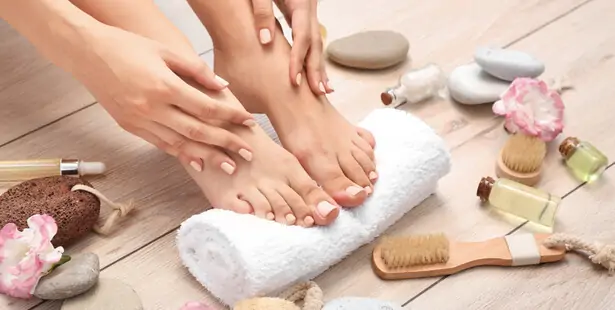
- If you apply nail polish, always use a protective base first. This is essential with dark shades that can seep into the keratin and yellow the nail.
- Give yourself a relaxing moment! Regularly prepare a lukewarm foot soak with baking soda and three drops of lavender essential oil.
A Little Gym: Strengthening Your Feet
Nothing beats a little toning to stay fit! This adage also applies to our lower limbs. With regular foot strengthening exercises, you’ll improve your overall posture.
Recent studies in posturology remind us that the health of our feet directly affects the alignment of our knees and back. Here are two easy exercises you can do at home with just a rubber ball and a soft tennis ball:
- Place the rubber ball under your arch. Roll it slowly from the toes toward the heel, pressing gently to wake up sensory receptors and boost circulation.
- Place your toes on the tennis ball while keeping the heel anchored to the floor. Then spread your toes as wide as possible, and curl them tightly around the ball. Repeat this movement ten times.
- Source: La minute facile M6 – Holistic Gymnastics: Strengthen the Feet