
A T-shirt that twists after a few washes, jeans with holes before winter is over, a sweatshirt whose cuffs sag: these little disappointments come at a cost, for both your budget and the planet. In stores, a few simple checks are enough to weed out most fragile pieces.
The T-Shirt: Look at the Side Seams
Lay the T-shirt flat and visually trace the side seams. They should run straight down from the armpit to the hem.
If they already tilt forward on the hanger, the fabric was probably cut on the bias, and the T-shirt will twist in the wash. Take a moment to compare two or three models while browsing the clothing section: the difference is quick to spot, even for non-experts.
Run your hand along the inside as well. A dense, somewhat heavy jersey, with neat seams and no loose threads, will hold up longer than a fabric that feels almost transparent to the touch. This way you’ll avoid buying the same basic tee twice in a year.
Jean and Pants: the Weave and the Pockets
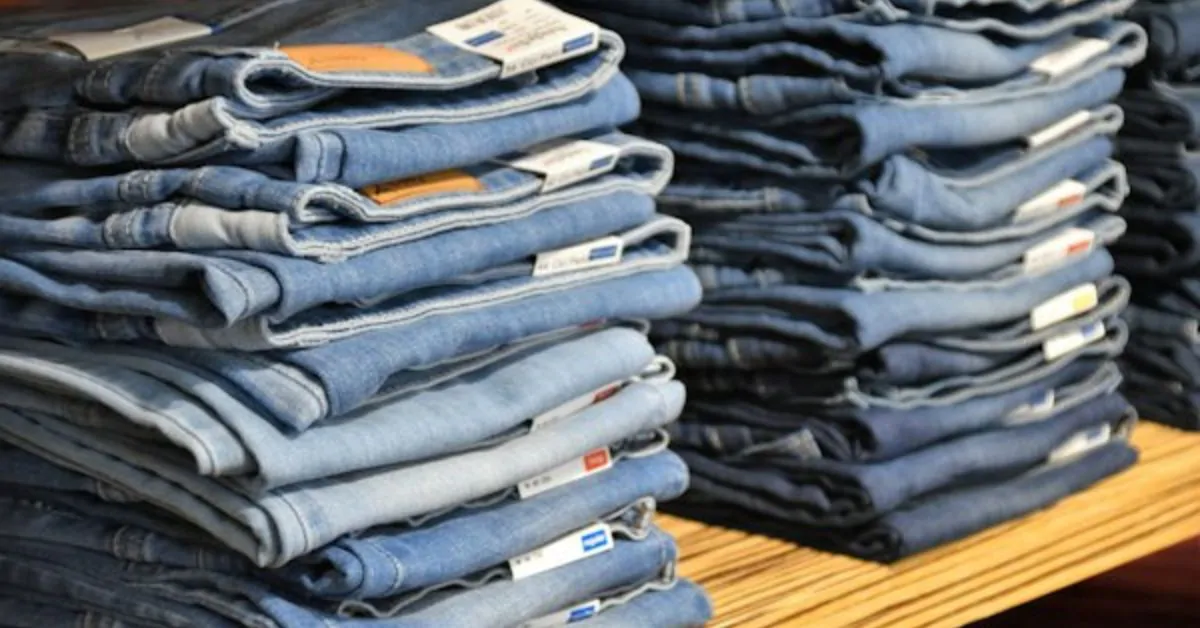
On a pair of jeans, check the weight of the fabric and the inseam stitching. A heavier canvas, double-stitched seams, and rivets at the corners of the pockets resist more rubbing and wear.
Then slip your hand into a front pocket: the bottom should be reinforced with thick fabric, not a thin lining that keys will poke through in a matter of weeks.
Sweatshirts and Pullovers: Cuffs and Ribbing
With a sweatshirt, the hold is all in the cuffs and the waistband. Gently stretch the ribbing: if it springs back immediately, it will keep its shape; if it stays stretched, it will sag quickly. If you can, turn the sleeve inside-out too: on a fleecy knit, the interior loops should be tight and regular, a sign of fleece that won’t flatten after the first wash.
With a little elastane, the ribbing recovers better. In its 10 Tips for Choosing and Caring for Your Clothes, ADEME still cautions against overdoing it, because a high elastane content can hinder recycling, and it recommends favoring garments made from a single material. The agency also notes that the longer a garment is worn, the lower its carbon and water footprint.
Buttons and Closures, Often the First to Go
Gently pull on a button. It should stay secure, not wobble, sewn with a small shank of thread that allows the fabric thickness beneath to pass through. An extra button sewn on the inside is a good sign.
Slide the zipper up and down several times: it should glide smoothly without catching, and the slider should stay in place once fully closed.
A garment that passes these checks will last longer. The day a snag happens anyway, consider repair benefits—a discount applied directly to the bill at certified tailors and cobblers.