
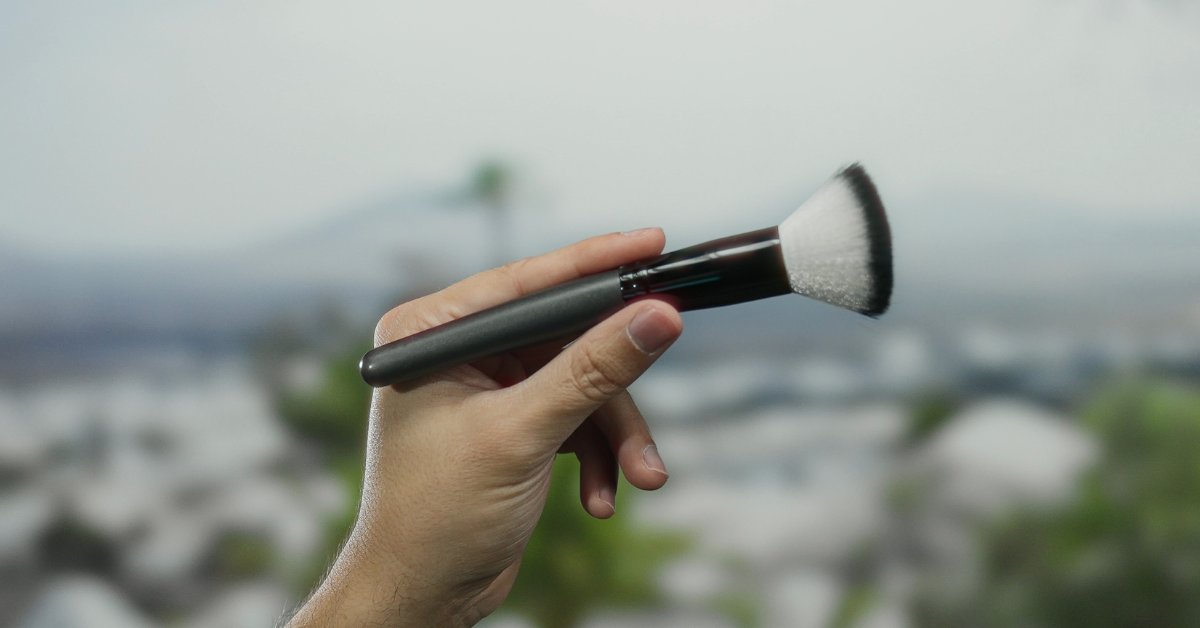
Often overlooked, cleaning your brushes is nonetheless a key step in a healthy beauty routine. And you don’t need to shell out for expensive products: simple, affordable, and eco-friendly solutions are already hiding in your bathroom cabinet.
Want to clean your makeup brushes, sponges, or a beauty blender? You’re right: when poorly cared for, they become true bacterial nests. Result: breakouts, an uneven complexion… and makeup that doesn’t look as sharp. Good news: a few simple, natural steps are enough to keep them immaculate.
Why cleaning your makeup brushes is essential
With every use, brushes accumulate makeup residues, oil, dust, and bacteria. This invisible mix can quickly throw off your skin’s balance and promote breakouts or irritation.
Clean brushes also yield a much sharper finish: colors apply more evenly, textures feel more uniform, and makeup lasts longer.
How often should you wash them?
Ideally, you should clean your brushes once a week. Sponges, on the other hand, should be washed after each use, as they retain more moisture and bacteria.
What natural products should you use?
No need for specialty cleaners. Marseille soap, baking soda, or a mild shampoo work perfectly. The key is to use a product that isn’t harsh to preserve the bristles.
Quick DIY recipe to clean your brushes
For an even more effective clean, you can whip up a very simple homemade solution. In a bowl of warm water, mix a small amount of grated Marseille soap and a pinch of baking soda. Lightly lather, then dip your brushes into it.
This mix dissolves grease, lifts pigments, and gently purifies without harming the fibers.
The right technique for an effective cleaning
Soak your brushes in warm water (never hot) with your cleaning solution. Gently massage the bristles to release the residue, then rinse thoroughly with clean water.
If your brushes are very dirty, you can leave them soaking for a few hours, or even overnight in water with a touch of baking soda.

Drying: a step not to be overlooked
After rinsing, gently squeeze the brushes with your fingers without pulling on the bristles. Lay them flat on a clean towel. Absolutely avoid drying them upright in a glass: water could seep into the handle and damage the glue.
Note: natural-hair brushes are more delicate and require an even gentler cleaning.
A simple habit… but so often forgotten
Caring for your brushes also extends their lifespan. Regular maintenance helps you avoid having to replace them too often, which is both economical and more eco-friendly.
By making this a routine, you’re doing good for your skin… and for your wallet.
Article updated