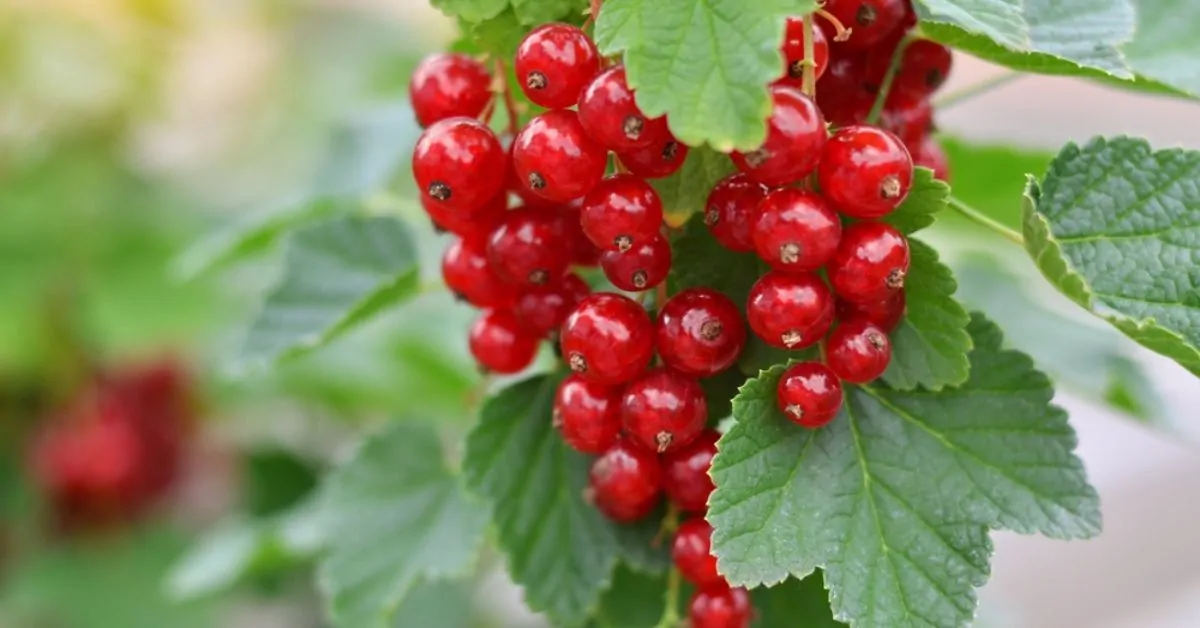
Fall is a transitional season as nature gears up for winter’s rest. It’s also the ideal time for gardeners to prepare their plants for the cold season, especially currant bushes. These shrubs, prized for their delicious berries, warrant careful attention to ensure not only winter survival but also a bountiful harvest in the coming season.
How to prune currant bushes in the fall?
Pruning currant bushes in the fall is an essential step to ensure healthy growth and a plentiful harvest the next season. How should you proceed? First, make sure you have sharp, clean pruning shears. Remove all dead, diseased, or weak wood to allow better air circulation and optimal light penetration.
Cut back branches that are more than 3 years old at their base to encourage new growth. Older wood tends to be thicker and darker.
Keep a balance between old branches and new shoots, as 2- to 3-year-old wood is often the most productive.
Make sure the remaining branches aren’t too crowded, to avoid competition for resources. Avoid branches crossing or touching. Trim the remaining branches to promote compact, sturdy growth.
Apply a mulch layer around the base to protect the roots from winter cold. Currant bushes can also be pruned at the end of winter or in early spring, when the risk of severe frost has passed. Either way, avoid pruning too aggressively to prevent stressing the plant.
Fall: the ideal season for planting currant bushes
Fall is also an ideal time to plant currant bushes in preparation for the next growing season, as the plants can establish a solid root system before the onset of winter’s chill. When planting currants, it’s essential to choose an appropriate site; these shrubs love sunny spots, but also tolerate partial shade. The soil should, however, be well-drained, rich in organic matter, and slightly acidic to neutral.
Begin by preparing the soil—remove weeds and debris, and amend the soil with compost or well-decomposed manure to improve fertility and structure. Dig a planting hole large enough to accommodate the plant’s roots without crowding. If you’re planting several currant bushes, space them at least about 5 feet apart to allow good air circulation and reduce disease risk.
Place the currant bush in the planting hole, making sure the spot where the trunk meets the roots sits at soil level. Backfill with the amended soil, firm gently to remove air pockets, then water deeply to help the roots establish. It can be beneficial to mulch around the base of the plant with a layer of organic mulch to retain moisture, regulate soil temperature, and reduce weeds.
Do currant bushes frost-tolerant?
Yes, currant bushes can be frost-sensitive, particularly young plants and especially during harsh winters. Here are a few steps to protect your currant bushes from frost during winter:
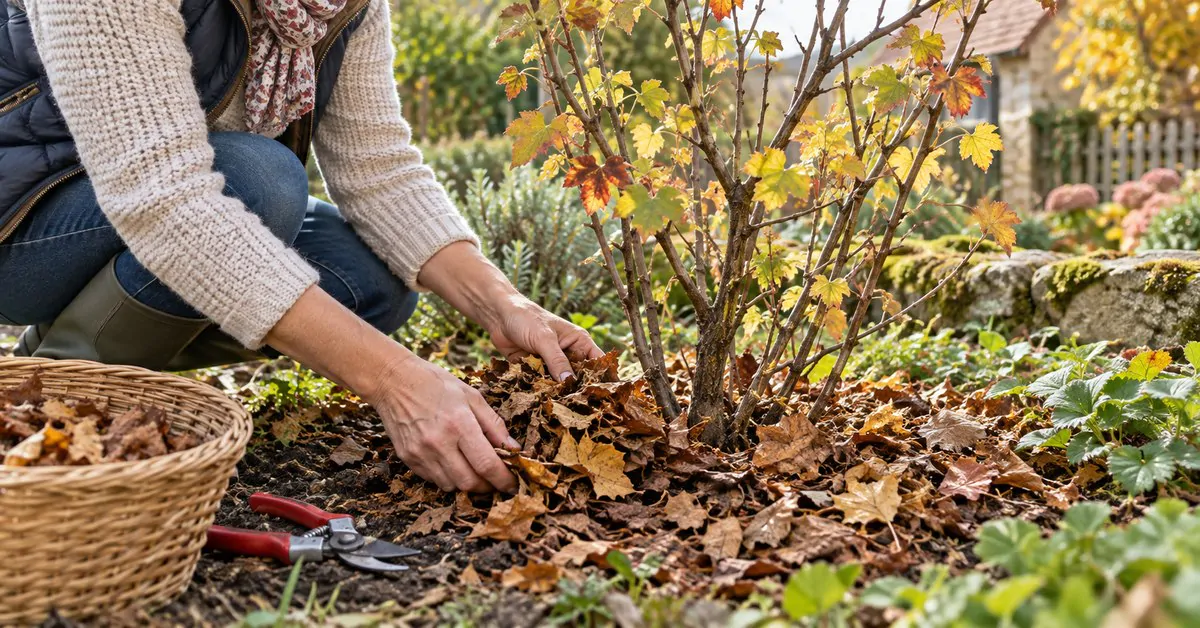
Apply a thick layer of organic mulch (such as fallen leaves, straw, or compost) around the base of the currant bushes. This will help insulate the soil to protect the roots from cold temperatures. You can also wrap the plants in burlap or a winter cover, especially if severe frosts are expected. This will shield buds and branches from cold, wind, and winter sun scorch in winter.
Young currant plants are particularly frost-sensitive, so you might consider transplanting them into pots and bringing them indoors into a greenhouse or other protected space during winter, or use cloches or tunnels to shield them. This will help prevent frost damage until they are sturdy enough to withstand the cold. Finally, always aim to plant currants in a way that avoids overly windy and exposed sites where cold air can accumulate.
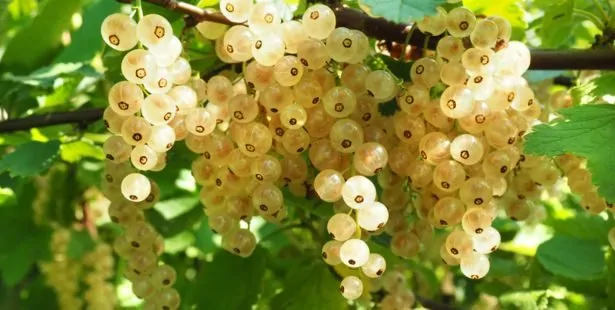
It is also important to note that the currant variety you have can influence its frost resistance. Some varieties are more frost-hardy than others. So be sure to choose varieties suited to your climate if you live in a region prone to severe frosts. For example, red currant varieties are often more frost-tolerant than white-fruited varieties. Nordic varieties, specifically developed for resilience, can also tolerate low temperatures and harsh winter conditions.
Also read
Plants and shrubs to prune at the end of summer