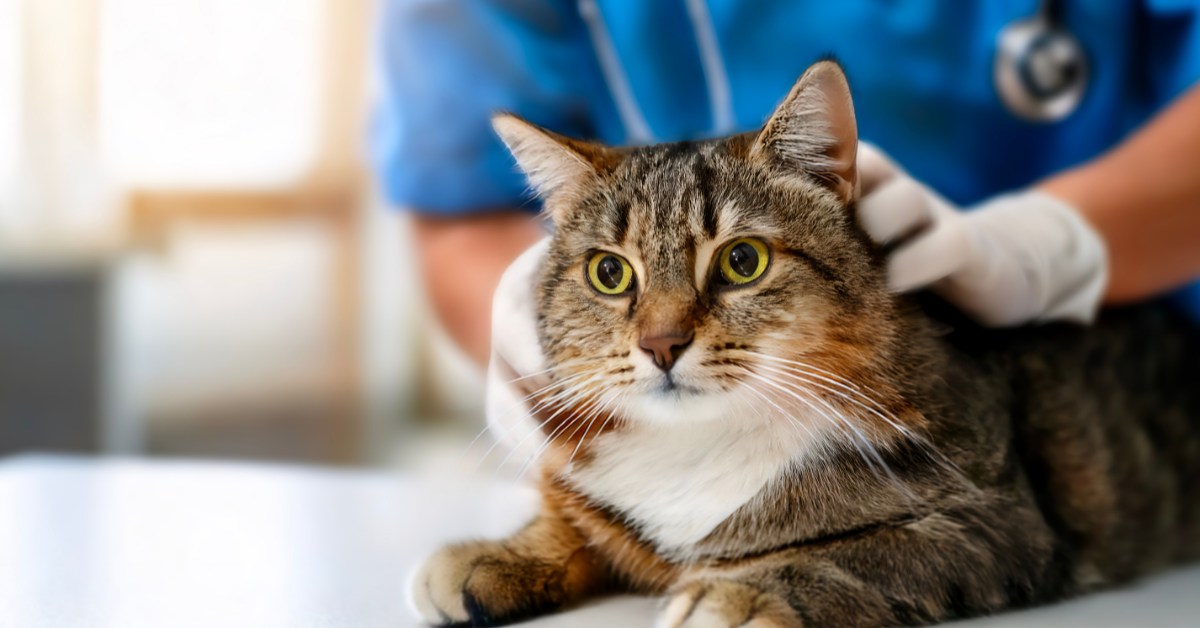
A discreet but formidable disease is advancing among domestic cats. Without obvious signs at first, it can nevertheless cause irreversible damage. And the most troubling part? Many owners are missing it.
An Invisible Threat to Aging Cats
Little known to the general public, a discreet condition is putting the health of many cats at risk across the United States as well. Without visible symptoms in the early stages, this disease nevertheless threatens millions of domestic felines. And this is all the more concerning because it often goes unnoticed by their owners.
Feline hypertension remains widely under-recognized, even though a 2022 study conducted on nearly 9,000 subjects across 16 countries found that it could affect close to 40% of cats aged seven to twenty-six years. Behind its quiet exterior, this disorder acts silently. For most owners, there are no alarms until irreversible consequences occur, such as sudden vision loss or the onset of chronic kidney disease.
Stressed Cats at the Veterinary Visit
The mechanism of hypertension in cats is quite similar to that in humans: when the pressure exerted by the heart on the arteries remains abnormally high, organs eventually suffer. The kidneys become fragile, the heart thickens, vision can suddenly disappear, and neurological problems may appear.
During a consultation, a cat’s stress can skew blood pressure readings. An anxious animal may display temporarily elevated pressure, which complicates diagnosis. Hence the importance of regular follow-up and exam conditions tailored to each patient.
Signs to Watch For
It is recommended to consult at least once a year starting at age seven. Some signals should trigger concern: a drop in appetite, increased thirst, or gradual weight loss.
We also sometimes see unusual irritability, persistent fatigue, or a loss of interest in play. Visual disturbances are particularly telling: your cat may bump into things, misjudge distances, or appear disoriented. In advanced cases, dizziness or seizures can occur.
Why is This Disease So Often Missed?
Cats are discreet by nature, masking their weaknesses. Unlike dogs, they express little pain or discomfort. As a result, early signs often slip under the radar.
Another challenge is that hypertension is rarely an isolated illness. It is often linked to other conditions such as kidney disease or hormonal disorders. It becomes a secondary symptom… but just as dangerous.
How to Protect Your Cat on a Daily Basis
Prevention hinges first and foremost on regular veterinary checkups. A simple blood pressure measurement, integrated into a general health assessment, can detect the problem before it’s too late. Diet also plays a key role. A balanced diet, tailored to the cat’s age, helps limit cardiovascular and renal risks. It’s also wise to maintain a calm environment, since chronic stress can worsen certain disorders.
Finally, watching your animal remains your best ally. A change in behavior, even a small one, is never trivial in a cat. It’s better to seek advice early than too late.
The Advice
If your cat is in the senior category, don’t settle for a routine visit alone. Explicitly request a blood pressure check. This simple gesture can spare him serious complications… and prevent you from discovering the disease too late.