
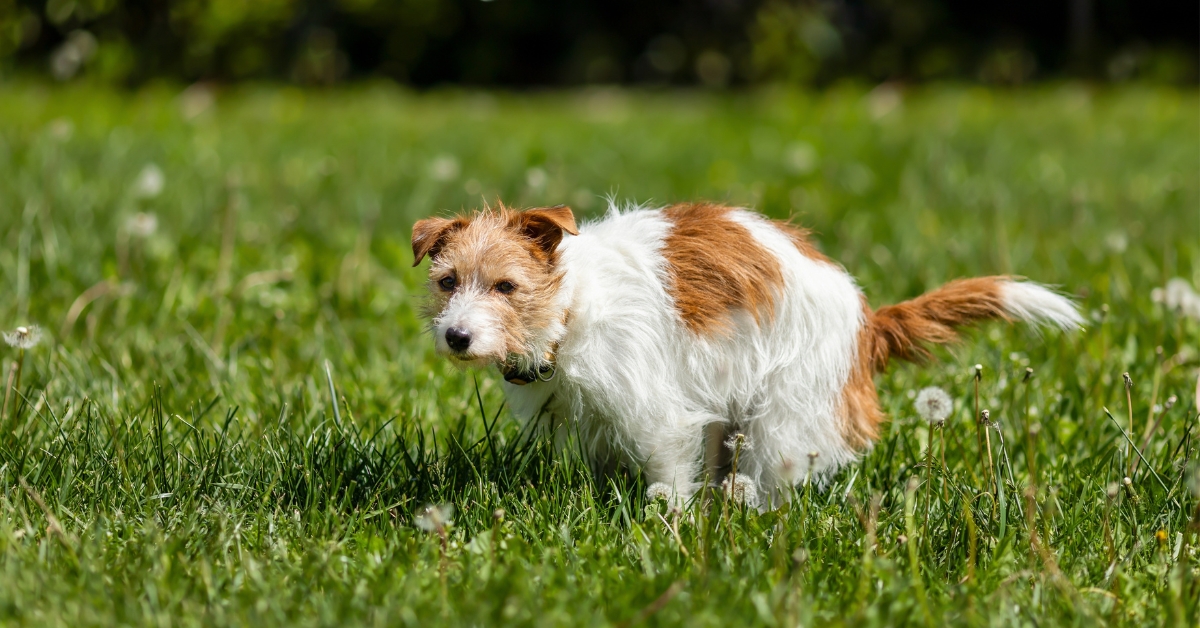
Disputes over a neighbor’s dog and dog waste in private yards remain a common source of tension. In the United States, while the legal landscape varies by state, there is a clear framework for addressing these nuisances. When a dog causes damage or fouls a property, the owner’s liability can be invoked. And if talking things through isn’t enough, there are several remedies available to protect your property and enforce your rights.
Neighbor’s dog in your yard: what the law says
When a dog enters a property and leaves waste, the law generally holds the owner responsible. The underlying principle in France rests on Article 1243 of the Civil Code. This legal text states: “The owner of an animal, or the person who uses it, while it is in his charge, is responsible for the damage caused by the animal, whether the animal was under his guard or whether it was lost or escaped.” Even if the dog has escaped, the neighbor remains legally responsible. This rule applies to various types of damage. A lawn burned by urine, a garden defiled, or a yard made unusable can constitute harm. Courts may then recognize what the law calls an abnormal neighbor nuisance.
In the United States, the owner’s liability can be triggered when the dog’s visits are repeated and create a lasting nuisance. Moreover, the issue of waste is not merely a neighborly concern. Regulations treat pet waste as litter. In practice, penalties for littering or improper disposal of waste on private or public land can carry penalties under state and local laws, with details depending on jurisdiction. The general principle is that leaving dog waste in unauthorized places can be an offense and can support civil claims for nuisance or damages.
When the neighbor’s dog soils your land: fines and responsibilities
The penalties defined by law can vary depending on the situation and local ordinances. In many American municipalities, municipal rules require dog owners to pick up after their animals. These regulations aim to protect public health and residents’ peace and quiet. Some municipalities impose fines, sometimes reaching up to around $135, when waste is not picked up.
In practice, penalties for dog waste vary often by municipal orders, but they rest on this legal framework. Beyond the fine, civil liability can also require compensation. If a neighbor’s dog damages a green space or makes a garden unusable, the owner may be ordered to repair the damage. This repair can take the form of damages or reimbursement of costs incurred to restore the land. Thus the law is not limited to punishing the waste; it also protects everyone’s right to enjoy their property without excessive nuisance.
Dialogue, mediation and recourse: how to act about the neighbor’s dog
In practice, legal professionals recommend starting with conversation. Indeed, many neighbor disputes find a simple solution when the situation is explained calmly. A direct exchange often reminds the dog’s owner of their legal obligation to pick up after the dog and to control their animal. However, if the neighbor’s dog continues to soil the garden despite the discussions, formalizing the approach is advisable. A written letter recalling the legal rules can be a first step. This letter typically cites applicable civil or criminal provisions and can also serve as evidence in any later proceedings.
If the problem persists, the city or county can intervene. Some municipalities direct residents toward a mediation program, a free service tasked with finding an amicable solution. This step often helps resolve the dispute without going to court. And if no solution is found, the property owner can file a complaint or sue to establish a nuisance claim. Finally, several practical measures can limit the dog’s intrusions. Install a fence, use certain natural repellents, or set up a motion-activated sprinkler; these are among the most common solutions. These devices do not replace the enforcement of the law, but they can help protect the property and reduce repeated incursions by the animal.