Nectar-rich shrubs are a real asset for biodiversity. Planted in fall, they provide a food source for pollinating insects as early as spring and sometimes even during the colder months.
Which Nectar-Rich Shrubs to Plant in Fall?
Fall offers climatic conditions favorable to establishing roots. The soil remains warm, allowing roots to take hold before the harshness of winter. Ideal conditions for planting the nectar-rich shrubs listed below:
Cornus (Dogwood)
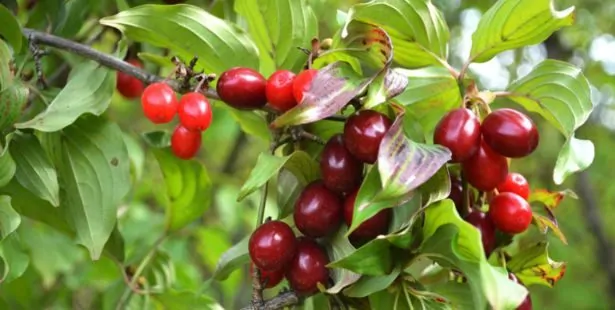
Dogwood offers spring blossoms that attract bees and berries in the fall, which are a treat for birds.
Plant it preferably in well-drained soil and in a partly sunny area. In the first year, water it regularly and prune lightly to encourage growth.
Mahonia
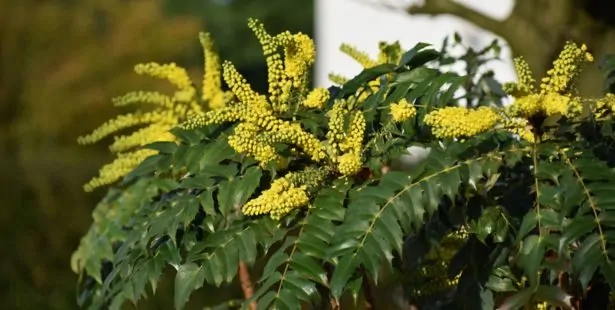
With bloom sustaining throughout fall and winter, Mahonia provides nectar to bees when other sources are scarce.
This hardy nectar-bearing shrub tolerates shade and poor soils well. It requires little maintenance, but pruning after flowering can encourage denser growth.
Spiraea
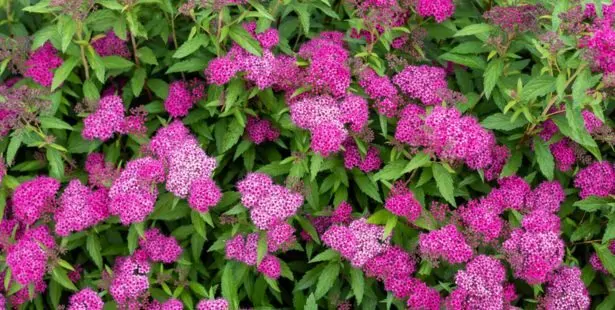
This shrub with generous flowering is loved by bees and butterflies.
Plant it in well-drained soil and full sun for best flowering. Prune after flowering to encourage new growth.
Sea Buckthorn (Hippophae rhamnoides)
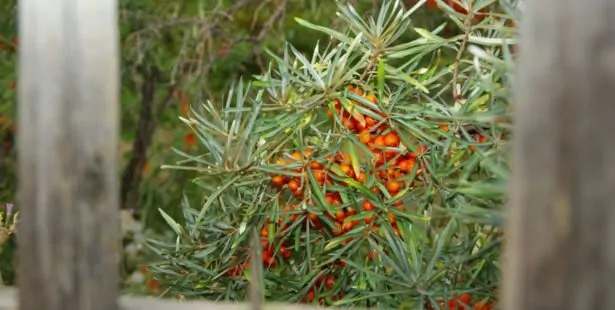
Known for its vitamin-rich berries, this shrub is also highly nectar-bearing.
Sea buckthorn prefers well-drained soils and can tolerate drought. Bonus: it requires little maintenance and is disease-resistant.
Hawthorn (Crataegus)
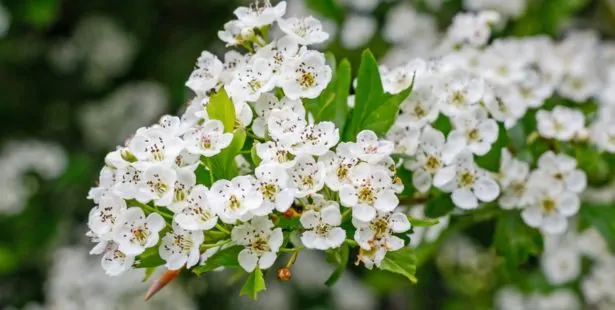
Nectar-rich and berry-bearing, it’s an excellent choice for local wildlife.
Hawthorn tolerates a wide range of soils and exposure conditions, from full sun to partial shade. Prune the shrub to maintain its shape and remove dead or diseased branches.
Forsythia
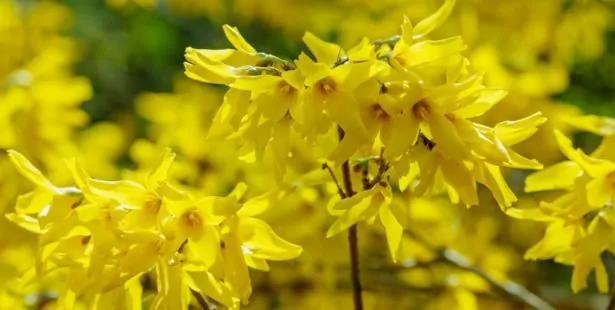
Known for its early bloom, it’s one of the first nectar sources for bees.
In full sun or light shade, in well-drained soil, forsythia will thrive best. Remember to prune it immediately after flowering to avoid losing next year’s blossoms.
Mock Orange (Philadelphus)
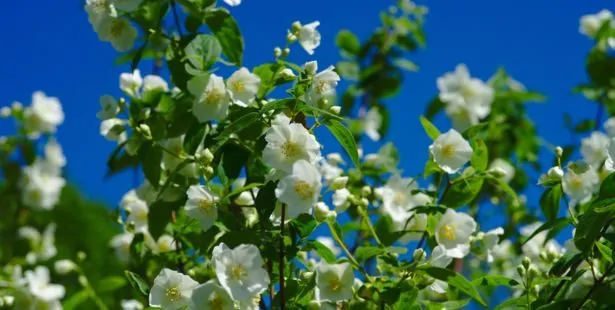
This nectar-bearing shrub offers fragrant white flowers that are highly appreciated by pollinators.
Mock orange prefers damp, well-drained soil and a sun to part-shade exposure. Prune after flowering to encourage a compact habit.
Ceanothus (Ceanothus)
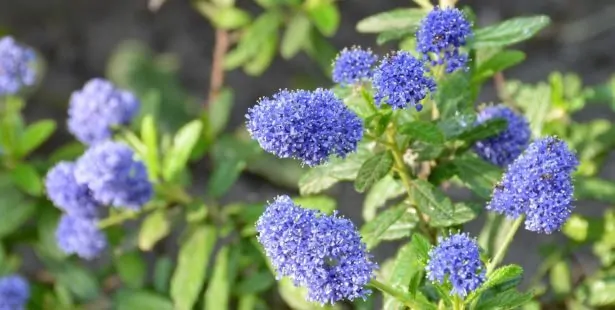
Its blue or white flowers attract a variety of pollinators.
Ceanothus prefers well-drained soil and, if possible, full sun exposure. Once established, the shrub is drought-tolerant and low-maintenance.
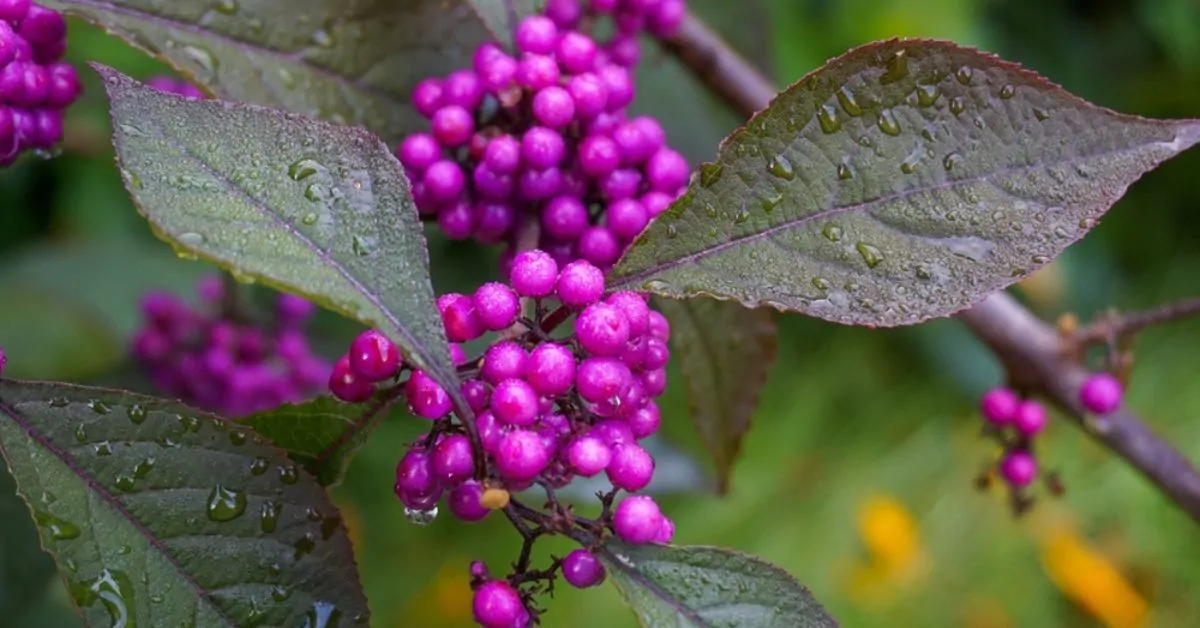
Callicarpa (Callicarpa bodinieri)
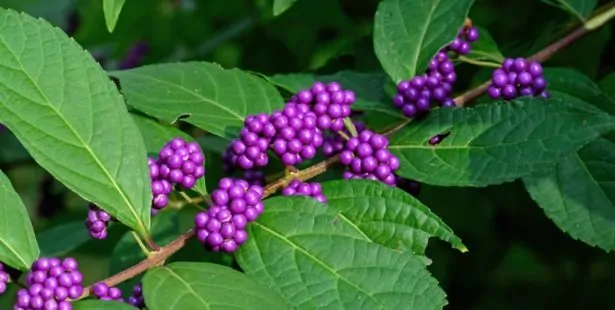
Its small pink flowers are nectar-rich and its violet berries attract birds in winter.
Callicarpa enjoys well-drained soil, as well as a sunny to partly shaded exposure. Prune older branches to stimulate the growth of new fruiting shoots.
Chèvrefeuille (Lonicera)
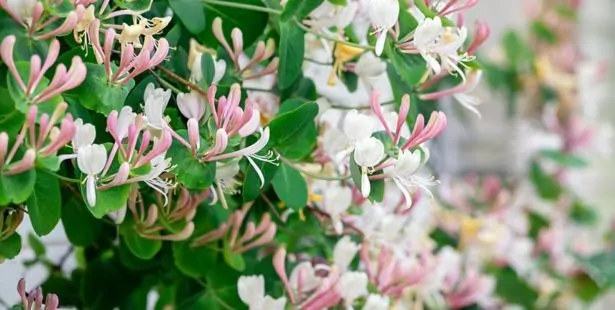
Attractive to bees and butterflies, honeysuckle benefits from a long flowering period.
Soil type is flexible, but nectar-bearing shrubs prefer full sun for peak flowering. Prune regularly to control growth and encourage flowering.
Viburnum (Viburnum)
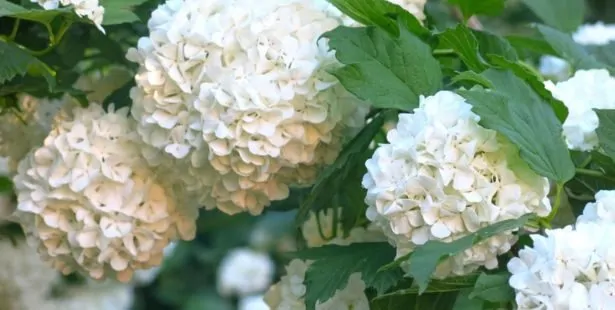
nectar-rich and appealing to a wide range of pollinators, Viburnum thrives in well-drained soil in full sun or light shade. Prune after flowering to maintain its shape.
In short, a garden rich in nectar-bearing shrubs benefits not only local wildlife but also the broader ecosystem. The choices are plentiful and the advantages considerable, for your green space as well as the surrounding biodiversity!