

We want them clean, fresh, soft, smooth, perfumed, well-groomed, shiny, and sanitized. So we soap up, we shampoo, we scent, we rinse, we disinfect, we exfoliate, and, sometimes, we add another layer. The problem is that our skin, our scalp, and our mucous membranes don’t necessarily need this intensive hygiene. In our zeal to “do the right thing,” we sometimes end up weakening what the body is actually trying to protect.
Because skin, the scalp, and mucous membranes share one thing: they are living, sensitive, intelligent barriers that don’t tolerate excess well. Harsh soaps, stripping shampoos, fragrances, wipes, intimate-care products, alcohol-based mouthwashes… everyday items that can, for some people, disrupt the epidermis, dry it out, irritate it, or even sustain redness, itching, or chronic discomfort.
Natural barriers we push around without realizing it
Skin isn’t just there to cover us stylishly. It plays a fundamental protective role against external aggressions, helps limit water loss, and contributes to the body’s overall balance. The scalp, for its part, is a skin area in its own right—often overlooked, but highly reactive. And mucous membranes are even more sensitive because they are thinner, more permeable, and naturally fragile.
The problem is that our modern bathroom has become a little laboratory. Between scented shower gels, highly foaming shampoos, deodorants, targeted treatments, lotions, wipes, and mouthwashes, we multiply exposures to substances that aren’t all well tolerated. And it isn’t necessarily a single product that causes trouble, but the cumulative effect.
The skin: when clean becomes too stripping
Skin loves gentleness, not a grand spring-cleaning routine twice a day. Yet many cleansing products create an impression of absolute cleanliness because they foam a lot, smell strong, or leave a “squeaky clean” feel. That impression is misleading. Skin that feels tight after a shower isn’t healthier; it’s usually skin whose protective film has been compromised.
Fragranced shower gels, very detergent-heavy soaps, repeated exfoliations, or washing too frequently can promote dry skin. Result: tightness, patches, itching, discomfort, and, for the most sensitive, eczema. Atopic or reactive skin is the first to bear the brunt, but even a skin without obvious issues can start to protest.
The trap here is fragrance. Very present in cosmetics, it can trigger irritation or contact allergy. And no, a product labeled as “natural” isn’t automatically gentler. Some essential oils, certain plant extracts, or highly aromatic formulas can also pose problems.
The right reflex: choose gentle, fragrance-free formulas and the simplest possible ones. It’s better to be fragrance-free than unscented.
The scalp: the forgotten part of the beauty routine
We often think of hair, rarely the scalp. Yet the scalp bears the brunt of shampoos, rubbing, residue from styling products, color treatments, and sometimes too-frequent washing. An irritated scalp can become dry, itchy, flaky, or, conversely, oilier quickly as it tries to compensate for the stress.
Very foaming or very scented shampoos can irritate sensitive scalps, especially when used too often. Hair coloring, in particular, is known to provoke reactions in some people. When persistent itching, burning sensations, flakes, or redness appear, don’t automatically blame stress or weather: hair products may be the culprit.
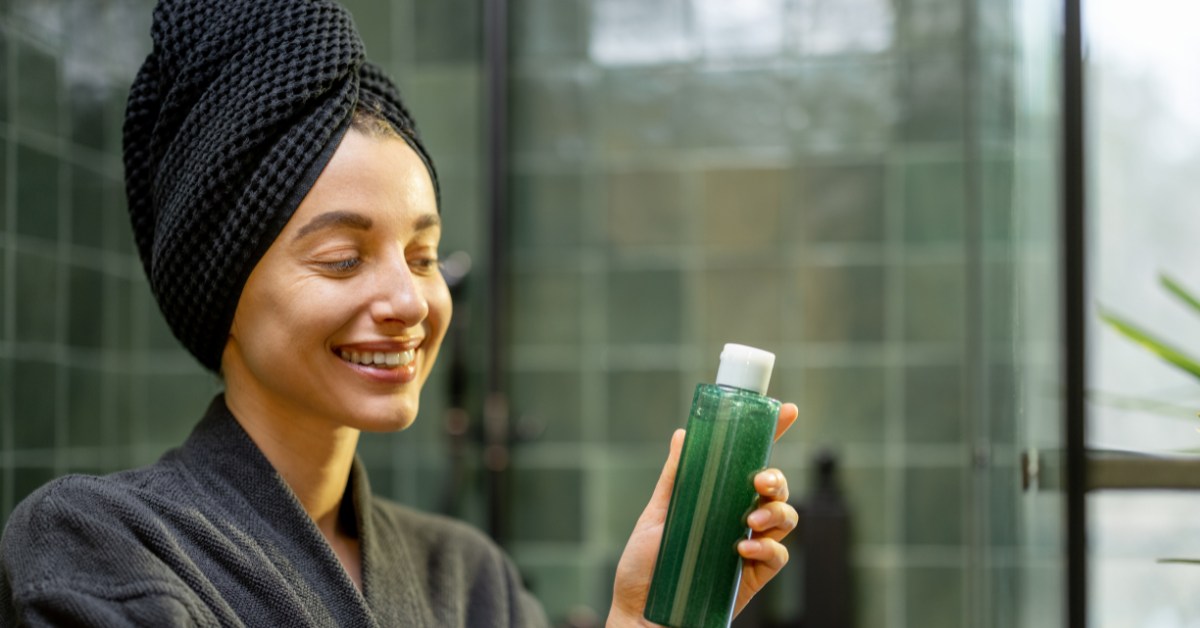
The right move is often to simplify. A gentle, less-fragranced shampoo, used as often as needed but not out of habit every day, can be enough to soothe a scalp that’s on edge.
The mucous membranes: the great overlooked in excessive hygiene
Mucous membranes are particularly sensitive because they don’t have the same defense mechanisms as regular skin. They tolerate daily products poorly, especially when scented, alcohol-based, or used too often.
In the mouth, some very foaming toothpastes or alcohol-based mouthwashes can worsen discomfort if you have sensitivity, dryness, or recurrent canker sores. Here too, the marketing of intense freshness isn’t always the friend of fragile tissues.

The intimate area is another place where excessive hygiene can do more harm than good. Wipes, fragranced gels, intimate deodorants, or overly frequent washes can disrupt this sensitive zone. In the name of “purifying” it, you can irritate it, dry it out, and disturb its natural balance. A gentle external cleanse is enough in the vast majority of cases.
The right reflex: choose fragrance-free formulas, without cooling effects, and the simplest possible options.
The everyday no-nos
Among the products most likely to cause trouble, you’ll often find the same profiles: strong scents, lots of foam, promises of an extreme freshness, or a build-up of unnecessary active ingredients. Add to that certain preservatives or complex formulas that, while not problematic for everyone, can become hard to tolerate with repeated exposure.
Another common no-no: the wipe. Handy, portable, it has appeal. Except that its formula is often far from harmless for sensitive skin or mucous membranes. The same goes for “refreshing” sprays, “purifying” lotions, or hygiene-focused products that sometimes sustain irritation more than they fix it.
When it isn’t a single product, but the entire routine that wears the body out
The tricky part is that irritation doesn’t always come from a single culprit. Often, it’s the sum of small, everyday aggressions: a scented shower gel, a frequently used shampoo, a strongly scented laundry detergent, a powerful deodorant, an alcohol-based mouthwash, a wipe kept as a quick fix. Taken separately, each item seems harmless. Together, they end up overloading the skin and the sensitive areas.
We then fall into an unhappy loop: the more it stings, the more products we add. The more products we add, the more the skin is exposed to new formulas. And the more the skin is exposed, the more reactive it becomes. In short, the body isn’t dirty: it’s saturated.
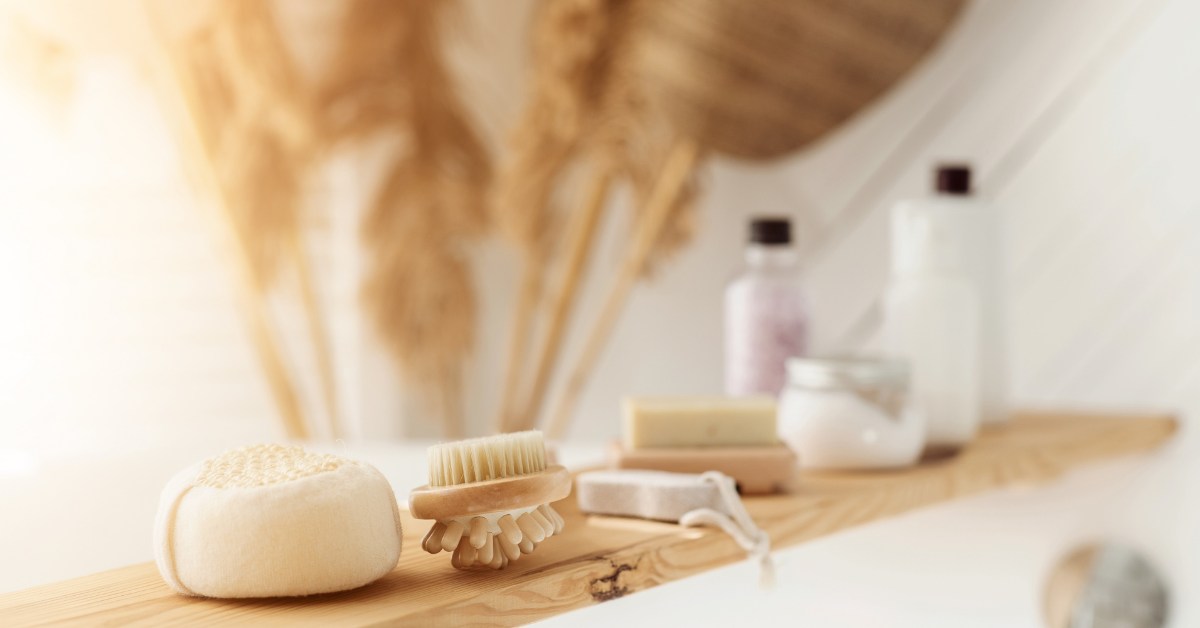
Returning to a simpler routine, often more effective
The good news is you don’t need to turn your bathroom into a cosmetic wasteland. That said, sorting things out can make a world of difference. For sensitive skin and scalps, favor gentle, lightly scented products with short formulas and no gimmicky extras. For mucous membranes, sobriety is even more important.
The guiding rule might be this: less, but better. Fewer products, less fragrance, fewer harsh agents, fewer unnecessary steps. This applies to the skin, but also to the scalp and to intimate or oral areas. And when redness, itching, burning, or persistent discomfort lingers, it’s better to seek advice rather than keep trying home remedies.
In the push to wash, smooth, perfume, and control everything, we sometimes forget that our bodies can defend themselves too. We just need to give them a little respite.