
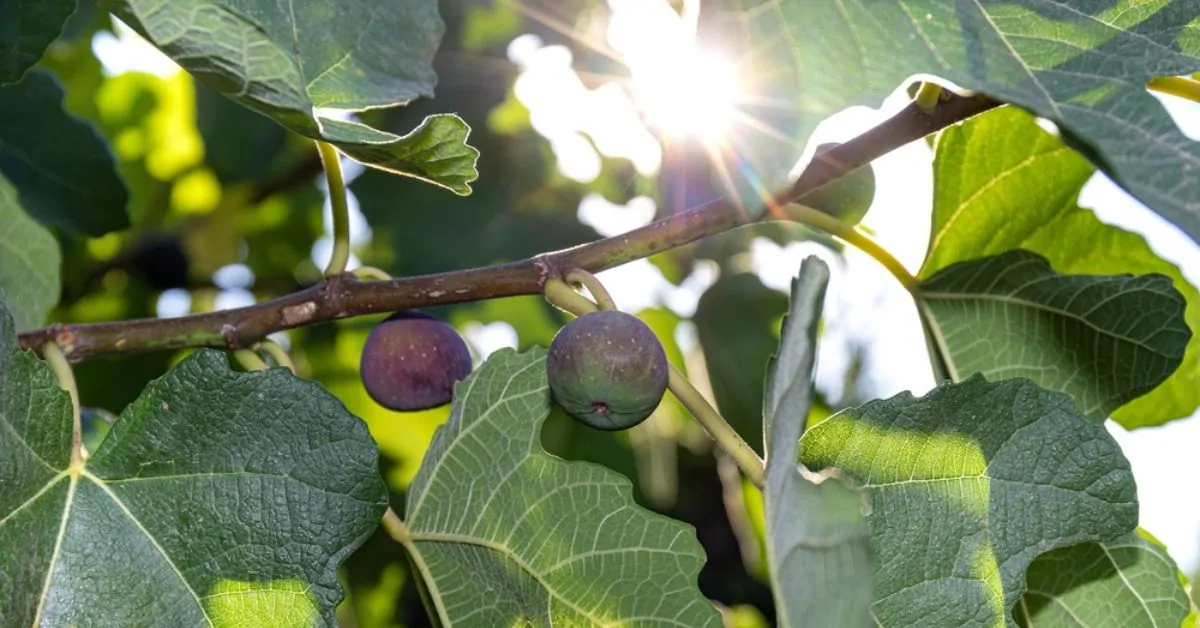
The fig tree (Ficus carica) is one of those trees that instantly evoke the sweet scents of the Mediterranean basin. Through its dense foliage and fleshy fruits, the fig tree carries millennia of history, mythology, and culture within it.
Of Asian origin, more specifically from the Middle East region, the fig tree is one of the first trees cultivated by humans, over 6,000 years ago. Archaeological traces, notably in the Jordan Valley, attest to its early importance in the human diet.
The fig tree, one of the earliest cultivated trees
From its origins, the fig tree has traveled the world, accompanying great civilizations as they expanded. The Phoenicians, the Greeks, and the Romans all contributed to its spread around the Mediterranean basin.
The fig tree thus holds a prominent place in many religious and mythological traditions. In the Bible, Nathanael meets Jesus under a fig tree. For Buddhists, it is also under the Bodhi tree, the fig tree, that Siddhārtha Gautama attained enlightenment and became the Buddha.
In Greek mythology, the fig is linked to the goddess Demeter, symbolizing fertility and abundance. It also appears in the foundational myths of Rome, tied to the she-wolf that nursed Romulus and Remus.
Botanically, the fig tree is a sturdy tree with a gnarled trunk, capable of reaching up to about ten meters in height. Its leaves, large and lobed, provide a refreshing shade in summer.
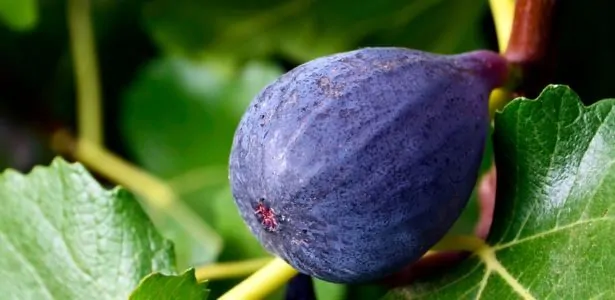
But what hobbyists care about most is obviously its fruits: the figs. These are, in fact, infructescences, called syconia, containing many tiny flowers inside. Their pollination is carried out by a specific wasp species, the blastophaga, in a fascinating mutualistic relationship.
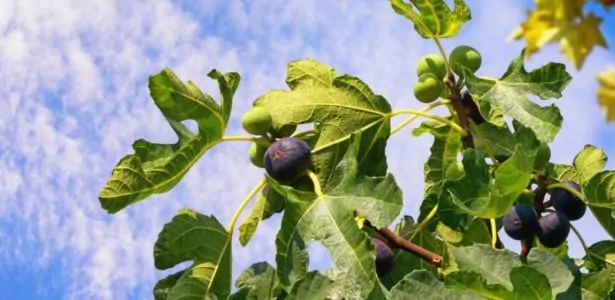
Cultivating the fig tree
A hardy tree, the fig tree is suited to dry and sunny regions, but it can also thrive in cooler climates, provided it is protected from winter frosts. In well-drained soil, its growth is vigorous, requiring regular pruning to stimulate fruiting.
The fig tree is also prolific in terms of production. A well-maintained tree can offer hundreds of figs in a season. These fruits, rich in fiber, minerals, and vitamins, are enjoyed fresh just as much as in jams, dried, or used in pastries.
How and when to prune a fig tree?
The pruning of the fig tree is essential to ensure good fruiting and a harmonious shape for the tree. Here is how and when to proceed with this pruning:
Why prune a fig tree?
To stimulate fruiting: by removing unproductive branches, you free up space and energy for new fruitful shoots.
To maintain a harmonious shape: this prevents the tree from becoming too dense, which could promote disease.
To limit the tree’s growth in small gardens or restricted spaces.
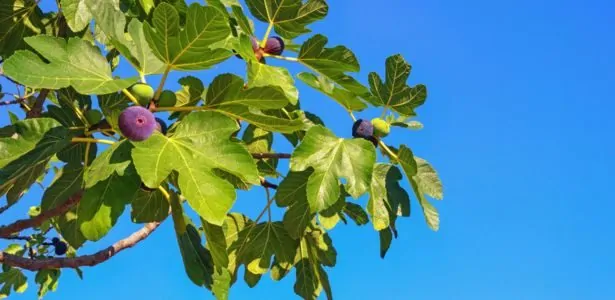
What period should you prune?
Main pruning:
It is performed at the end of winter, typically between February and March, just before the vegetation resumes. During this period, sap flow is lower, which limits the risk of sap leakage and disease.
Secondary pruning (maintenance):
It takes place after the first fig harvest, i.e., August–September. This pruning is lighter and aims to remove non-fruiting shoots and to aerate the tree.
How to prune?
Tools:
Make sure you have sharp, disinfected tools (pruners, pruning saw for thicker branches).
Training pruning (for young fig trees):
The goal is to shape the tree’s framework. Keep 3 to 4 main branches well oriented and well spaced. Remove the others at the base.
Fruit-bearing pruning (for mature fig trees):
- Remove old branches or those that already bore fruit the previous year, as they won’t fruit again.
- Remove branches that cross or grow toward the inside of the tree.
- Trim secondary shoots (coming from the main branches) leaving only two to three buds. That is where the figs will form.
- Remove suckers (vertical shoots) and basal shoots at the trunk base.
Pruning techniques:
Always cut at a slant, about 0.5 cm above an outward-facing bud. This promotes water runoff and reduces disease risk.
Tips:
Regularly inspect your fig tree to spot dead or diseased branches that should be removed outside pruning periods.
Don’t hesitate to space out branches so light can penetrate well inside the tree. This favors fruit maturation.
Pruning the fig tree is an art that requires observation and some practice. By following these guidelines while listening to your tree, you’ll encourage a bountiful harvest of delicious figs and a healthy fig tree!