
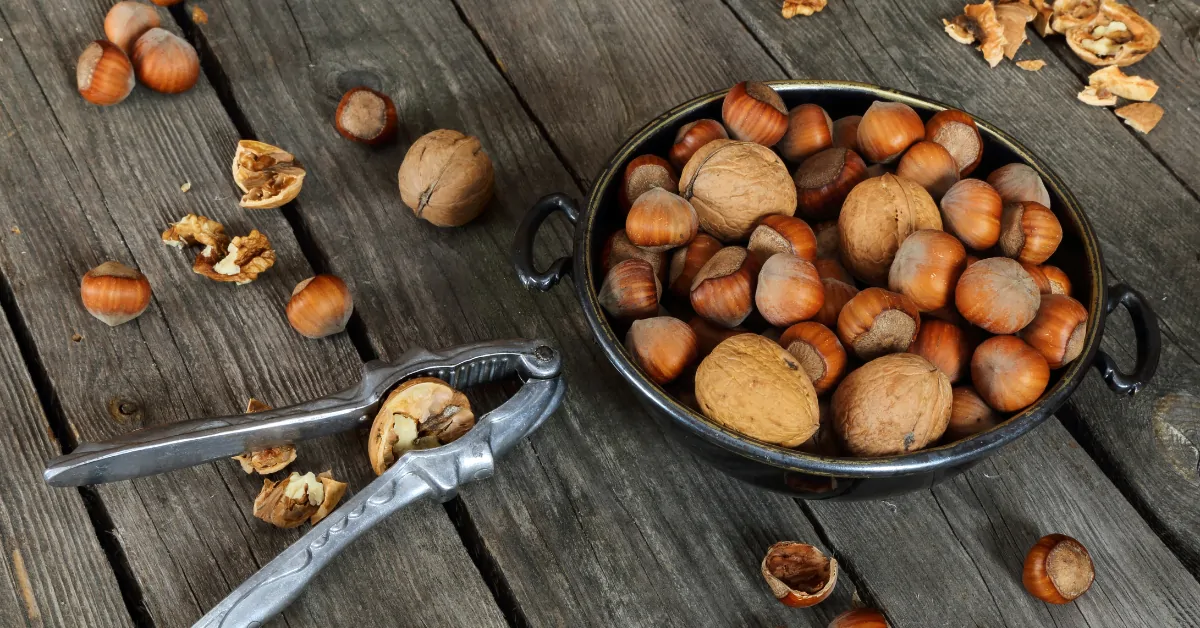
The nut family offers a wealth of nutritional benefits that would be a shame to skip this season. Fall is indeed bountiful in walnuts and hazelnuts, a boon for anyone lucky enough to harvest them in the garden. It’s also the perfect time to buy fresh walnuts and hazelnuts at market stalls, a source of minerals and trace elements, but also of shells that would be wasted if discarded. Just as tangerine peels can be recycled, walnut and hazelnut shells can be repurposed in a multitude of ways.
How to recycle walnut shells and what to do with hazelnut shells?
1 – Shell mulch
While mulch is more commonly made from straw, bark, or wood chips, walnut and hazelnut shells work just as well. An alternative that will prevent weed growth where shells are spread, while regulating soil moisture. A sure way to create an effective vegetable garden mulch, essential in fall.
2 – Drain plant pots with walnut and hazelnut shells
The walnut and hazelnut shells can also serve to drain both garden and indoor plant pots. These natural byproducts perform the same role as traditional clay balls, preventing water evaporation while avoiding it pooling at the bottom of your planters, which could lead to root rot. To ensure good drainage, break the shells into small pieces. In summer, you can also drain potted plants with cherry pits.
3 – Mix crushed shells with soil to aerate
Still in the garden, hazelnut and walnut shells can help aerate soil that is too compact. Some plants require airy potting soil to thrive, such as orchids; mixing crushed shell pieces creates a lighter soil. You can add compost to your soil-and-shell mix to make an even more plant-friendly growing medium. A compost that can be enriched directly with nut shells.
4 – Enrich the compost
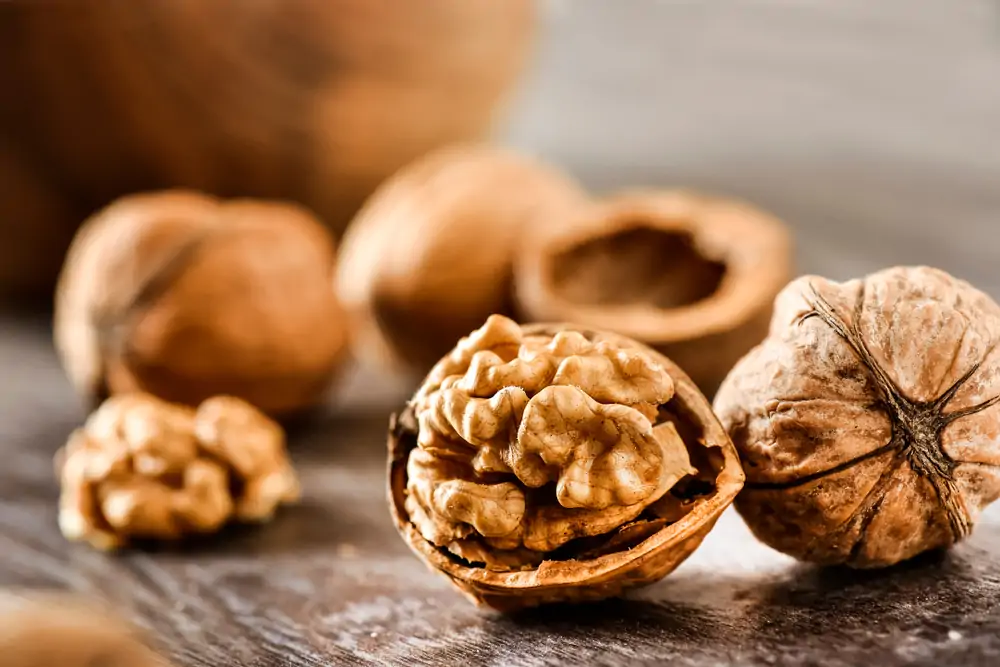
Another way to recycle hazelnut and walnut shells is to add them directly to your compost bin. Like other organic waste, these shells will break down and enrich the compost, provided they’re crushed finely beforehand. Be sure to break your walnut and hazelnut shells into small pieces to speed decomposition.
5 – Create insect shelters
Last outdoor recycling idea for hazelnut and walnut shells: build insect shelters! This helps biodiversity winter more comfortably. Simply gather your empty shells in a mesh bag and hang it from a garden branch. The empty shells can also replace pinecones in insect hotels, creating a fantastic refuge.
6 – Start a fireplace fire
At home this time, empty walnut and hazelnut shells work just as well as kindling, alongside traditional twigs. A handy way to get a good fire going in the fireplace in winter, or a barbecue in summer. Simply place them on top of the small wood and let the fire catch slowly.
7 – Create fun animals with kids and natural Christmas decorations!
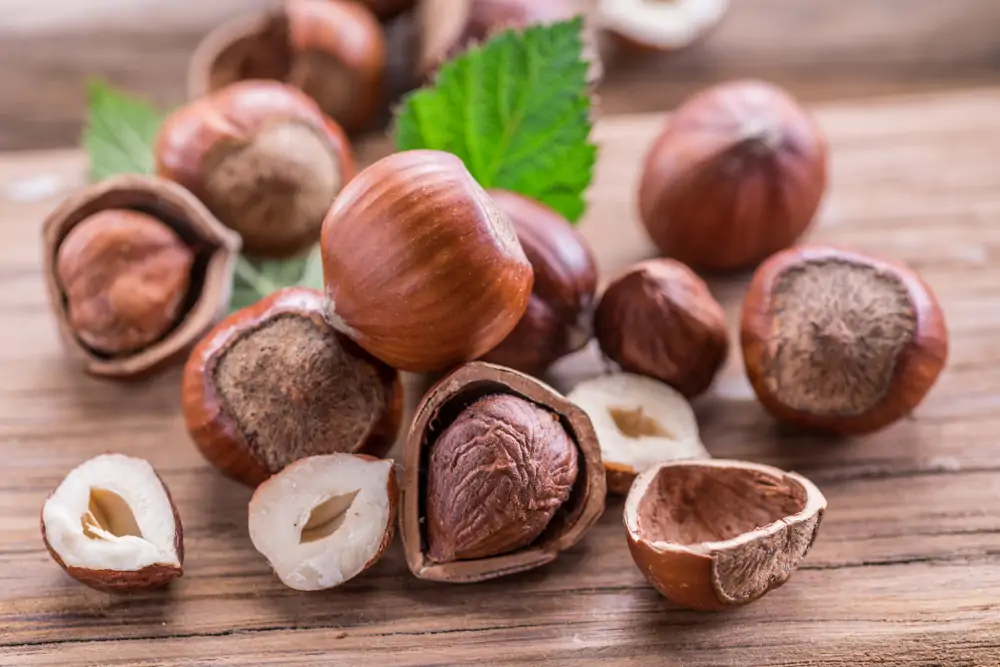
Finally, our last recycling idea is more creative, as it involves making all sorts of playful animals with the little ones. Turned walnut shells can, once painted, serve as ladybugs, turtles, hedgehogs, or other creatures, created with glued paper for antennae or colored legs. A great way to unleash imagination! An imagination that can also be used to craft natural Christmas decorations. For example, you can gild the empty walnut and hazelnut shells in gold, then use them to adorn your Christmas wreaths, or place them on either side of your guests’ plates for a lovely holiday table setting…