

The “ slow travel” or “slow tourisme“, defines, as this anglicism indicates, an alternative way of traveling based on the simple idea of taking time to discover. An emerging trend with multiple virtues.
To truly unwind, it’s recommended to be well prepared before departure. One way to reach this balance is to take care of all administrative formalities well in advance. For example, opting for an online visa application through an agency is often advantageous because assistance can be provided throughout the application process and help can be offered in French.
Slow travel : a real break is in order
Slow travel is the newest addition to the Slow movement; it literally means slow travel. It fits within the rejection of the diktat of today’s society, which is to always go faster.
Saving time is a leitmotif for all of us—in our personal life, at work, sometimes even in our leisure activities! Our daily routines are a real race against the clock, and the « slow » trend thus becomes a breath of fresh air.
Originator of the movement Slow, Slow Food, a movement that began in Italy in the mid-1980s, was already pointing to this deviation in our society. We have a visceral need to always go faster instead of savoring high-quality products and moments.
The enduring popularity of fast food and other instant products in our daily lives shows our difficulty in pressing the brake. Eat fast even if it means eating poorly, travel fast even if it means traveling poorly : same struggle.
In the face of this consumption binge, slow travel offers an alternative to the overdose of clichés that one can experience on a conventional vacation circuit. No more tight schedules: to savor places, to soak up different customs and other know-how promises precious vacation memories.
Slow travel allows us to pause in lives paced by frenetic rhythms.
A way to travel responsibly
Far from the all-inclusive plans of tour operators pushing mass-market products, slow travel offers the luxury of taking your time. Taking your time means:
- Giving yourself the opportunity to meet new people, whether halfway around the world or in the neighboring county, and to better soak up the places.
- Reducing your ecological footprint on vacation: slow travel indeed encourages using less-polluting transport. Internal flights are left behind; this form of alternative tourism champions collective transport: trains, buses, motorcoaches, carpooling, or even pollution-free options like rickshaws, pedicabs, or bicycles.
- Facilitating encounters and sharing privileged moments.
- Encouraging local consumption: renting an apartment or staying in a guesthouse for a few days prompts visits to local markets, dining at the restaurant downstairs, in short, participating in the local economy by consuming local products.
The Slow Travel: a long-term trend
According to an Ipsos survey conducted in four countries, slow in all its forms appears to be a trend definitively adopted by Europeans. A trend that was still emerging a few years ago, slow has become a real need for everyone who wants to make the most of life.
According to the study, 53% of respondents would like to slow down when visiting a country, a city, or a region.
The magic of encounters
Traveling is of course about discovering new places, and it is also about meeting others. Another significant advantage of slow travel lies in the possibility of better soaking up the places, opening your eyes and ears to novelty.
Exploring a region or foreign country at high speed prevents you from savoring the present moment. It’s true that with an average of about 5 weeks of vacation per year, most of us would tend to cram our holidays: traveling to the far side of the world and settling for one or two key locations may seem frustrating.
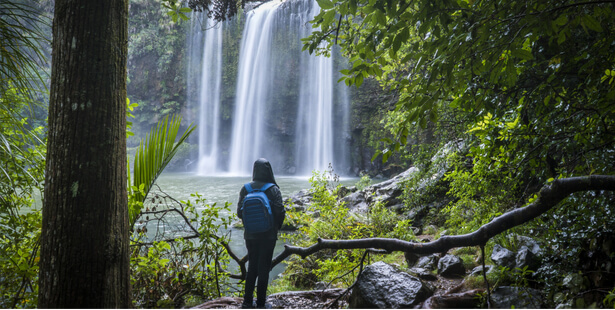
Everything is, of course, a matter of balance: The Slow Travel invites the traveler to prioritize quality over quantity.
The Slow Travel, a mindset
Although many travel agencies offer alternative itineraries, Slow Travel is more about adopting a mindset. It offers a return to essentials and to a certain degree of intentional simplicity…
Before setting off, it’s worth asking the right questions. For instance, instead of aiming to visit a given country, why not think on a smaller scale and plan your vacation at the level of a region or a city? What do we want above all: to take as many photos as possible or to enjoy the present moment?
Another piece of advice: don’t plan to spend only one night in a place but settle in for a few days, giving yourself time to truly soak up the area and to create more enriching encounters.
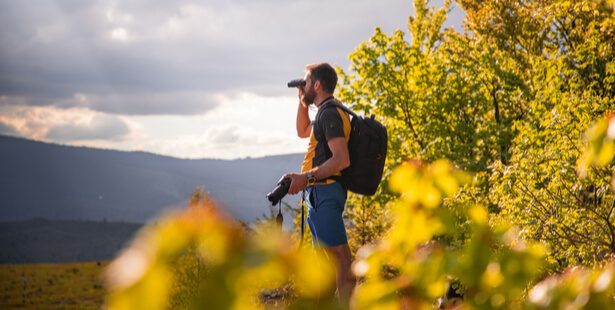
And leave room for improvisation. A tightly planned itinerary doesn’t leave much room for the unexpected. Travel is often filled with lovely surprises; let’s not deprive ourselves of that pleasure.