
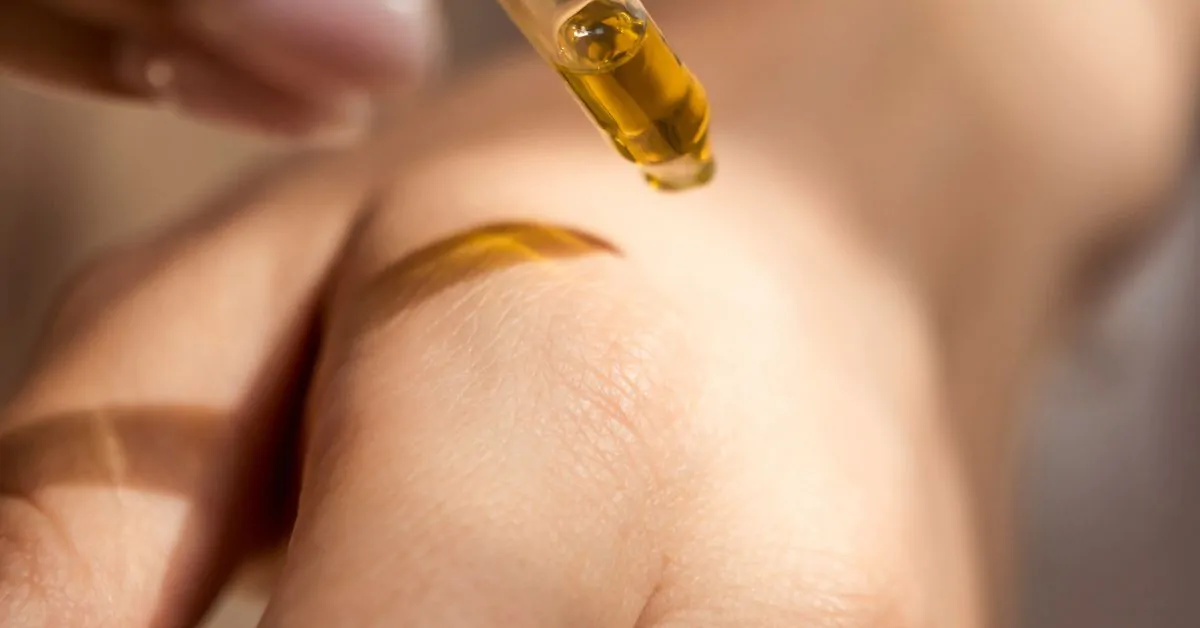
When the Heat Tests Your Skin
One heatwave can throw everything off: the forehead shines by 10 a.m., the cheeks feel tight by late afternoon, and that sensation of “skin suffocating” makes you want to strip it all away. It’s a classic trap. In chasing freshness at any cost, you can weaken the skin’s barrier and trigger the opposite effect: more discomfort, more redness, sometimes even more breakouts.
Heat, sun, sweat, and air conditioning all team up. Outside, hot air increases water loss and stimulates sebum production. Inside, the AC dries out and sensitizes the skin. Add the friction from a cap, mask, or towel and water that’s often hard in summer in certain regions, and you end up with skin that alternates between shine and dehydrated patches. Good news: a short, gentle, consistent routine often restores a more stable complexion.
Common mistakes that keep redness and shine going
The first mistake is “over-cleansing.” Two harsh cleansers per day, repeated exfoliation, and the skin defends itself by producing more sebum. The second mistake is buildup: piling on too many active ingredients (acids, retinol, strong vitamin C, fragrances) when the skin just needs calm. The third mistake is neglecting sunscreen or choosing one that’s too rich, then removing it badly at night, which promotes congested pores.
A simple rule helps you decide what to do when you’re not sure: if the skin stings, burns, or reddens easily, focus on hydration and repair before performance. In these phases, simplicity isn’t a luxury—it shows up in a matter of days.
The “cooling” routine in 5 steps, without overdoing it
1) Cleanse without stripping (morning and night)
In the morning, a very gentle cleanse usually suffices, especially if you don’t sweat much overnight. In the evening, the goal is to effectively remove SPF, pollution, and sebum without ending up with skin that “needs to be coaxed.” A gentle gel or foam can work, and if you wear a tenacious sunscreen, a double cleanse can be helpful—provided both steps stay kind to the skin. The rule of thumb: after rinsing, the skin should feel supple, not rough.
2) Hydrate lightly with breathable textures
In summer, many skins tolerate light layers better than one thick cream. A hydrating lotion, an essence, or a serum with humectants (like glycerin or hyaluronic acid) adds water, then a gel-cream can seal without greasiness. If you’ve ever felt a cream that glides but never absorbs, that’s often a sign the texture is too occlusive for the season or the skin is starting out dehydrated.
For fans of K-beauty-inspired care, some lines focused on calming and barrier-repair, like Skin1004, are often chosen for their minimalist, comforting approach, especially when the skin reacts to heat.
3) Soothe the overheating (without multiplying actives)
When the skin feels hot, we tend to reach for an arsenal. It’s better to pick a single “soothing pillar” and stick with it for a few days: panthenol, centella, oat, allantoin, or fragrance-free formulas if you’re sensitive. A simple trick: keep a mist or a light treatment in the fridge. The cooling sensation is immediate, and applying it becomes a small pleasant ritual after a day outside.
4) Protect from the sun, truly, but comfortably
Sun protection remains the most effective step to avoid spots, fine lines, and inflammation. The issue isn’t the SPF itself but often the “wrong SPF for you.” If you can’t stand the feel of a film, look for lightweight textures, drier finishes, or formulas designed for combination skin. And when reapplying, do it in thin layers: you’ll be more comfortable and minimize white casts.
5) Remove makeup and SPF without scrubbing
In the evening, the gentlest, most eco-friendly move is the one you don’t have to repeat. Take time to emulsify, rinse well, and avoid “polishing” with a towel. A clean fabric, dabbed dry, is enough. If you use cotton pads, opt for reusable ones and rotate them so you don’t run out at the last minute.
Tailor to your skin type, with clear benchmarks
Oily or combination skin: calm without drying
The “zero cream” reflex rarely works long-term. Oily skin can be dehydrated, and that’s where shine can spike. Aim for light hydration, and introduce a regulating active only if the skin is stable. Concrete example: if you have visible pores in the T-zone, start with two weeks of gentle routine, then gradually add a targeted treatment two evenings a week rather than changing everything at once.
Dry or sensitive skin: protect the barrier first
If your skin pulls with the AC, favor a more enveloping cream at night and a lighter texture in the morning. Avoid mechanical exfoliants, especially during sun exposure. And if you try a new product, test it one at a time. Sensitive skin appreciates predictability, a bit like a delicate stomach that prefers a simple dish to a spicy buffet.
Skin prone to breakouts: reduce irritation to reduce the pimples
Many summer breakouts are irritation-related: chafing, sweating, SPF residue, too-aggressive actives. In this case, cooling inflammation often helps more than “drying” the blemish. A spot treatment can help, but the real change comes from a stable routine, and a clean evening cleanse without abrasion.
Go simpler: beauty that’s kind to your skin and your daily life
A responsible routine isn’t about chasing the latest ingredient; it’s about habits too. Finish one product before opening another, avoid buying doubles “just in case,” choose formats that fit your rhythm, and favor versatile products that replace two or three steps. This is often where you gain the most, for both your budget and your bathroom.
To learn about textures, categories (cleansers, moisturizers, SPF) and build a coherent routine without giving in to hype, well-organized selections like Little Wonderland can help compare formats and understand what matches your actual use.
72-hour mini plan to beat the heat (when your skin yells stop)
Day 1: minimalist routine. Gentle cleanse, light hydration, soothing cream if needed, SPF in the morning. No exfoliation, no new actives.
Day 2: the same base, plus a simple hydrating mask if your skin feels tight, or an extra gel-cream layer in the evening if the AC dries you out.
Day 3: if the skin is comfortable again, you may reintroduce a single “treatment” step at low frequency; otherwise, continue a few more days in soothing mode.
The sign you’re on the right track is very tangible: fewer tingling sensations, a more even texture to the touch, and that pleasant feeling that the skin “stays put” on its own, even after a hot day. And once you’ve experienced this, you’re less inclined to chase the perfect routine; you’ll seek a routine that truly respects the skin, season after season.