
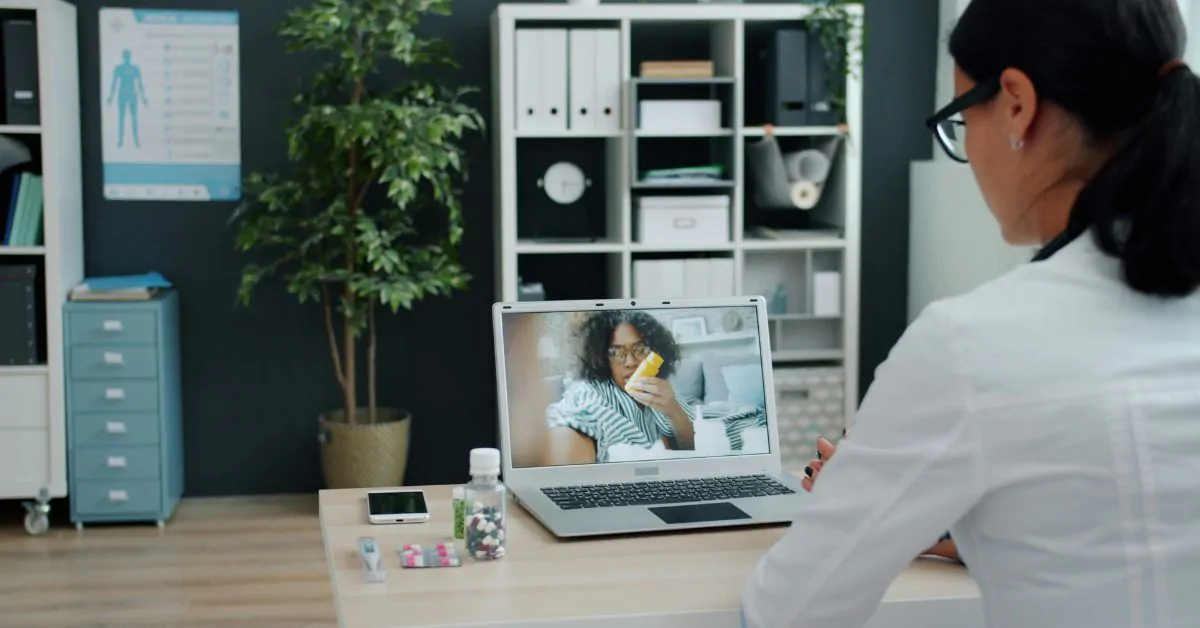
For several years now, telemedicine has taken an increasingly important place in the lives of patients and health professionals. Thanks to this new form of consultation, it is now possible to obtain medical advice remotely without having to travel. Platforms like Dokteronline help make this mode of access to care more accessible and flexible, while safeguarding the privacy of exchanges. This digital revolution meets a growing need for efficiency and accessibility, particularly since the recent health crisis highlighted new uses in healthcare.
Addressing Territorial Gaps and Physician Shortages
Telemedicine proves particularly valuable for residents of rural areas or regions suffering from a shortage of physicians. Healthcare availability is not the same everywhere across the country, and many people must travel dozens of miles to see a specialist. In this context, being able to obtain a remote consultation represents real progress. Through video consultations or other forms of digital communication, patients can access a qualified medical opinion from home or from their workplace. This advance thus contributes to equitable access to care, a recognized public health priority.
Beyond simple consultations, telemedicine also enables ongoing management of chronic conditions, even for patients who are geographically isolated. For professionals, it helps maintain contact with their patients and ensure continuity of care. Some platforms provide directories of clinicians or reliable medical information that facilitate quick online appointment scheduling. This not only reduces the burden on clinics but also helps decongest emergency departments by guiding patients more efficiently.
A Tool for Everyday Medical Follow-Up
Beyond access to a medical opinion, telemedicine is about long-term, personalized care. It enables remote management of prescription renewals, monitoring of long-term conditions, and remote surveillance of chronic diseases through connected devices. For people with mobility limitations or chronic illnesses, this flexibility is essential to maintain good health while reducing the sometimes challenging travel required.
Online medical consultations also help reassure patients quickly when symptoms arise and shorten wait times to obtain a traditional appointment. For some patients, they enable swift initiation of appropriate care, starting a treatment, or obtaining advice that can prevent complications. In terms of prevention, telemedicine has also helped initiate screening initiatives or early informational outreach on certain public health topics.
Security and Privacy Safeguards in Place
The development of telemedicine naturally raises questions about data confidentiality and securing medical exchanges. Today, remote consultation platforms are subject to strict regulation. They ensure traceability of exchanges, encrypt information, and guarantee medical confidentiality. Patients can thus communicate with their healthcare provider with confidence, and access their medical records securely.
The rapid evolution of digital tools has prompted public authorities and health institutions to establish standards to support telemedicine. These measures govern the transmission of prescriptions, the delivery of test results, or remote prescribing of medications. Health professionals are trained in these practices and strive to maintain the same level of quality and attentiveness as in clinical settings. This helps reassure patients and build lasting trust in these new practices.
Toward a More Inclusive and Preventive Health System Through Innovation
Telemedicine plays a central role in transforming patient care. It promotes digitalization of care pathways and encourages collaborative tools among health professionals. It also fits seamlessly with the e-health momentum, which aims to simplify administrative management, streamline communication among medical actors, and assemble relevant data for better overall patient monitoring.
Moreover, connected tools and medical-tracking apps enable greater patient involvement in prevention and health management. This digital shift helps make health care more inclusive by gradually removing barriers that limited access to care for many individuals. Thus, telemedicine continues to evolve to meet contemporary expectations while adapting to daily challenges, illustrating the medical sector’s capacity for innovation.