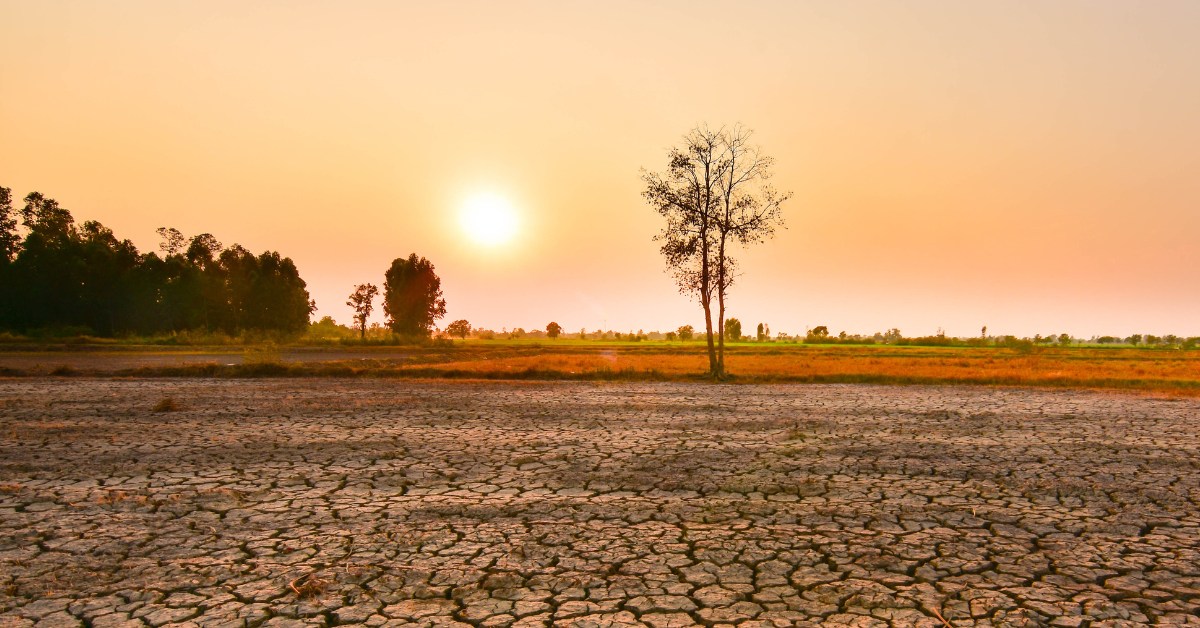
According to France’s national meteorological service, Météo-France, the convergence of this natural climate event with human-caused warming is expected to push global temperatures to unprecedented levels in 2026–2027.
Towards a ‘Super El Niño’?
A new El Niño episode is shaping up for the summer of 2026, following a modest La Niña phase. This natural climate phenomenon results from a weakening of the trade winds in the Pacific, causing a shift of warm waters from Indonesia toward the coasts of South America. At present, indicators are already showing a gradual return to normal sea-surface temperatures. Probably the prelude to an imminent swing into this warm phase.
How strong will this phenomenon be this year? Some models hint at the emergence of a ‘super El Niño.’ A term describing an event where the temperature anomaly exceeds 2°C, and possibly 3°C, in the central Pacific. While meteorologists at Météo-France remain cautious about confirming this threshold due to seasonal uncertainties, the warming expected by the end of 2026 already looks significant.
Overseas territories on the frontline
Globally, this event is likely to push heat records higher as it coincides with ongoing human-caused warming. The years 2026 and 2027 could thus match or exceed the unprecedented temperatures seen in 2024, potentially once again crossing the symbolic 1.5°C warming threshold above pre-industrial levels. The joint effect of the natural cycle and global disruption indeed heightens planetary climate risks.
Geographically, the impacts are expected to be varied: intense rainfall is anticipated in East Africa and the southern United States, while Australia and the Amazon may suffer severe droughts. In Europe, the direct impact of El Niño typically remains marginal against the overall warming trend. But overseas territories situated in tropical zones will, themselves, be on the front lines of these upheavals.